Quick summary
- Databricks raises the need for a context control plane in retail governance. When an agent reasons and acts with data, governance must address not only access but also which context is assembled, when it is used, and how it shapes a decision.
- Context changes an agent’s output; unmanaged context makes policy enforcement and auditability difficult in automated workflows.
- Inventory one agent’s context sources, assign owners, and record the context version for every execution.
What happened
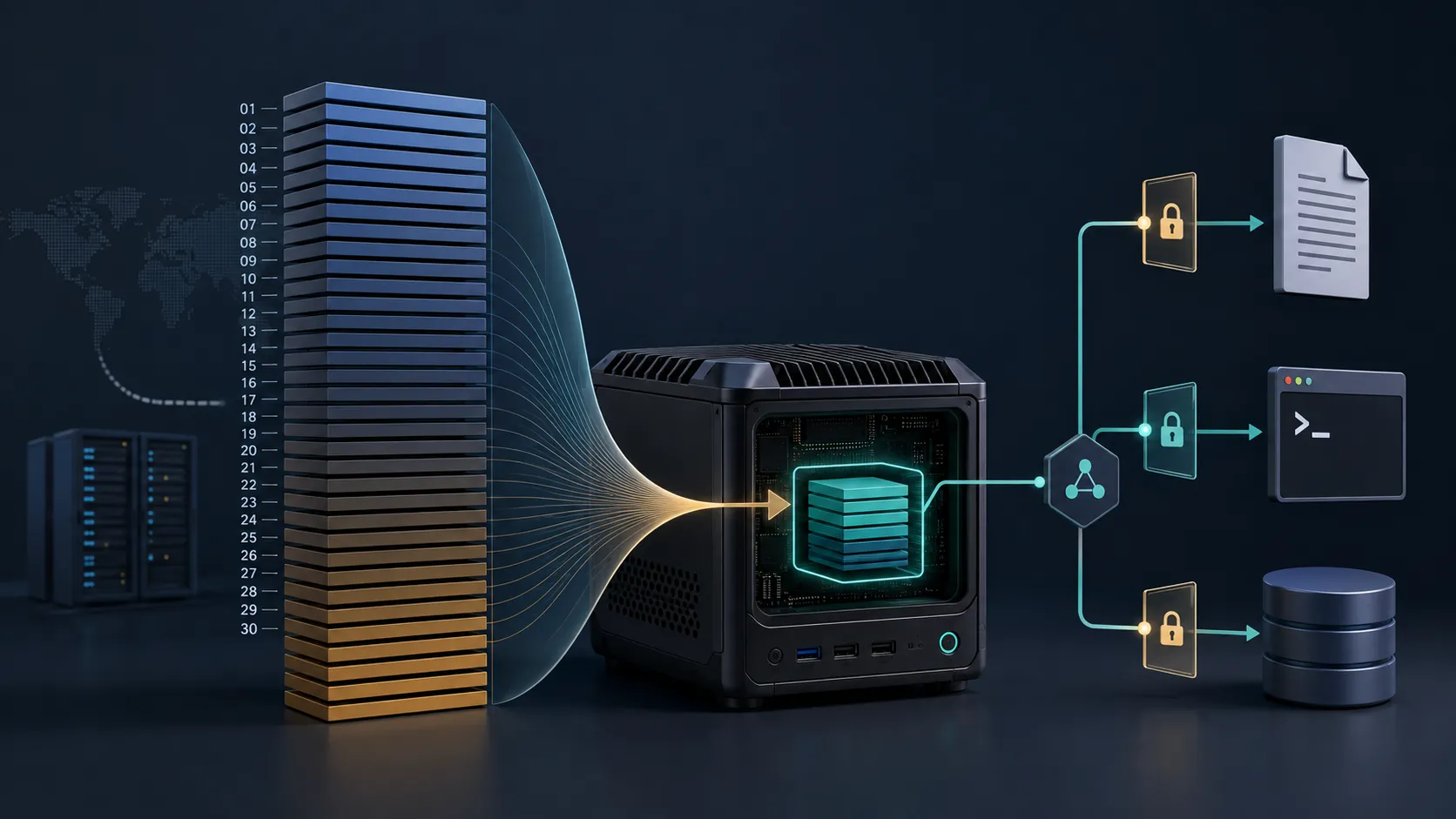
In agentic AI, data access control is necessary but insufficient for governance. The same agent can produce different results from different context even when its prompt and tools are unchanged. Context should therefore be treated as an operational object with provenance, scope, and policy.
Databricks argues that retailers need a control plane for context in governance. The framing is useful beyond retail: manage which information is assembled for model reasoning, not simply who may enter a data store.
Context is a decision dependency
Context can include retrieved data, workflow state, and instructions supplied to a particular run. When an agent makes a recommendation, a team should be able to identify what data it used, which version, under what policy, and who owns its inclusion.

Not all accessible data belongs in context. Relevance, freshness, permitted purpose, and sensitivity are separate conditions from basic read permission.
A control plane should enforce policy and enable observation
Architecturally, a context control plane should help enforce boundaries, record context assembly, and support investigation after an incident. This is a design recommendation, not a claim about a specific product feature.
Define an inventory of approved context sources, an owner for each source, data-validity expectations, and behavior when a source is unavailable. Record a context identifier with tool calls and outputs in execution logs.
Test context changes like code changes
A new source or modified retrieval rule can change agent behavior. Put those changes through review, regression testing, and rollback processes comparable to application changes.
In 5 Minutes
- Agent governance extends beyond data access control.
- Context is a dependency that directly shapes decisions.
- A control plane should enforce policy and provide observability.
- Review, regression-test, and roll back context changes.
Sources
- Agentic Data Operations Platform (ADOP): Data engineering into hours
- Connecting retail demand planning to campaign and store execution
- Designing effective Genie Agents from a single prompt
- Databricks Document Intelligence: pushing the frontier for complex document extraction
- When it comes to Governance, Retailers need a control plane for context
Why developers should care
Context changes an agent’s output; unmanaged context makes policy enforcement and auditability difficult in automated workflows.
Recommended action
- 1Inventory one agent’s context sources, assign owners, and record the context version for every execution.