Svelte’s September 2026 roundup brings recent framework and tooling changes together for developers following the ecosystem.

Preparing localized stories and source details.
Modern frameworks, browsers, runtimes, and web standards.

Svelte’s September 2026 roundup brings recent framework and tooling changes together for developers following the ecosystem.

Cloudflare is prototyping Cache Transcoding in Pingora, encoding eligible assets with Zstandard before storage and decoding them at delivery time.

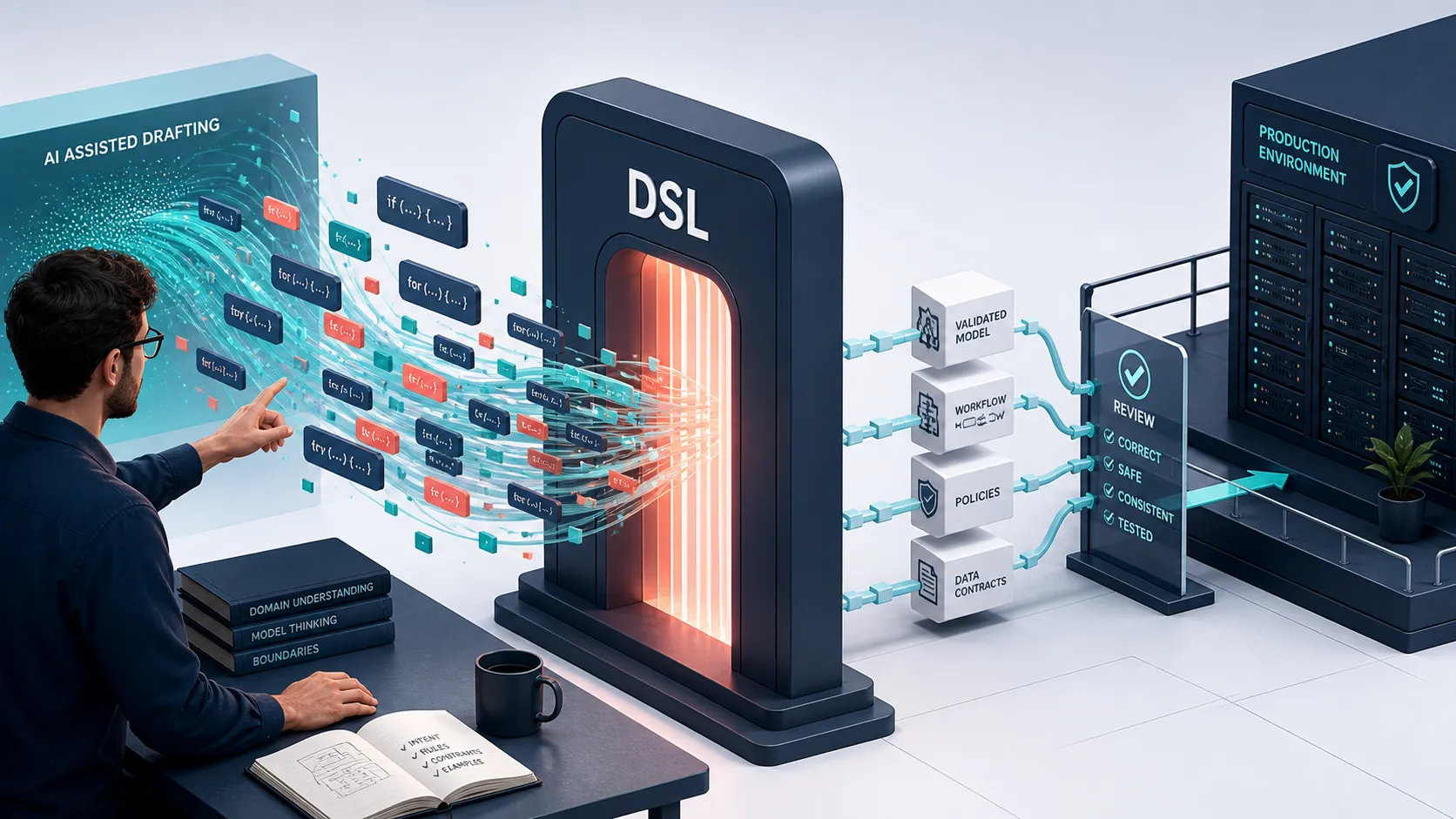
Banksalad presents Salad Game DSL as a way to preserve creative freedom without giving up engineering stability. The broader lesson is that production-ready vibe coding needs a constrained, reviewable interface between an AI-generated intention and the system that executes it.

Banksalad has published a post about generating test data with an LLM, but the supplied source record does not expose its implementation or results. This article separates the verified scope from a practical evaluation framework for engineering teams.

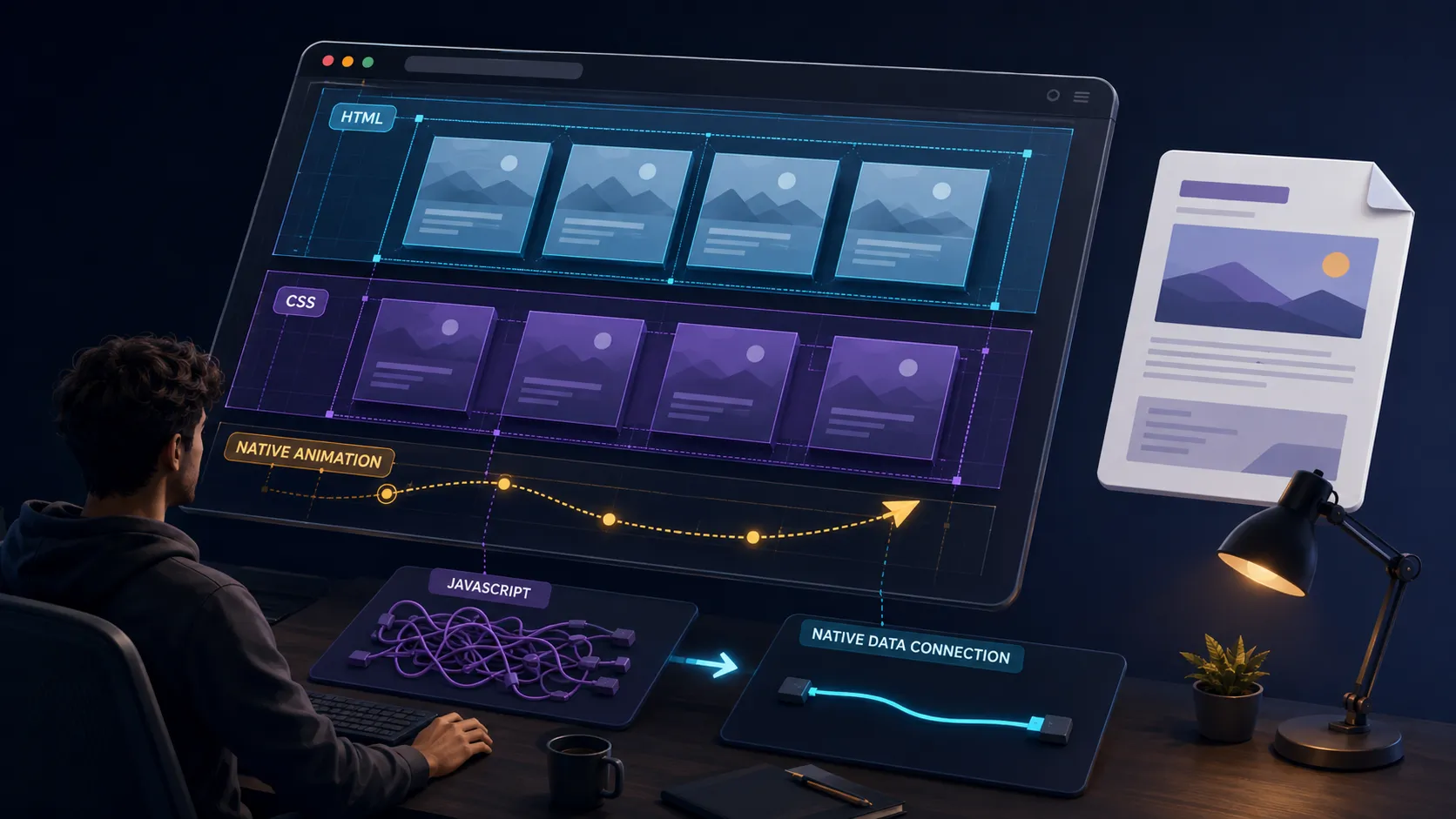
Emerging CSS capabilities, Document Picture-in-Picture, and declarative HTML mechanisms are moving more interface behavior into the browser. They could reduce custom JavaScript, but their maturity and compatibility vary substantially.

Recent case studies show that effective web caching depends on more than cache-hit ratio. Data layout, object compression, CDN economics, and traffic shape all need measurement before a change is scaled.

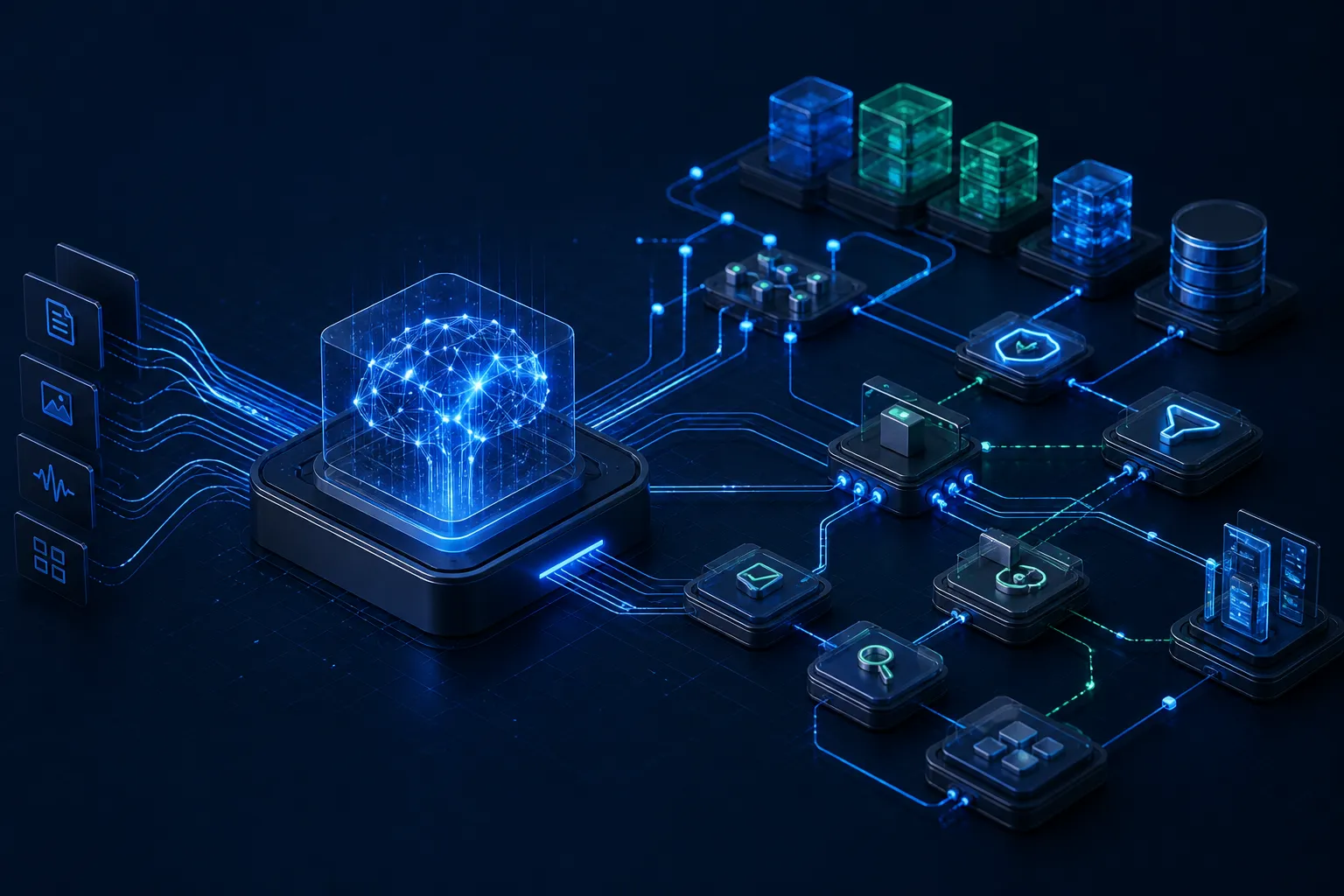
AI agent engineering is shifting from prompt refinement toward operational layers for skills, memory, MCP connections, credentials, behavioral evaluation, and execution. For web teams, these controls separate an impressive demo from a system that can be tested, governed, and maintained.

Ventura offers TypeScript-friendly React components, CSS-variable theming and familiar APIs, but its slow release cadence calls for careful evaluation before adoption.
Three.js WebGPURenderer brings modern GPU pipelines, compute workloads, and TSL materials to browser-based 3D. Migration still requires measurement because the renderer remains experimental and WebGL 2 can be the safer production target.

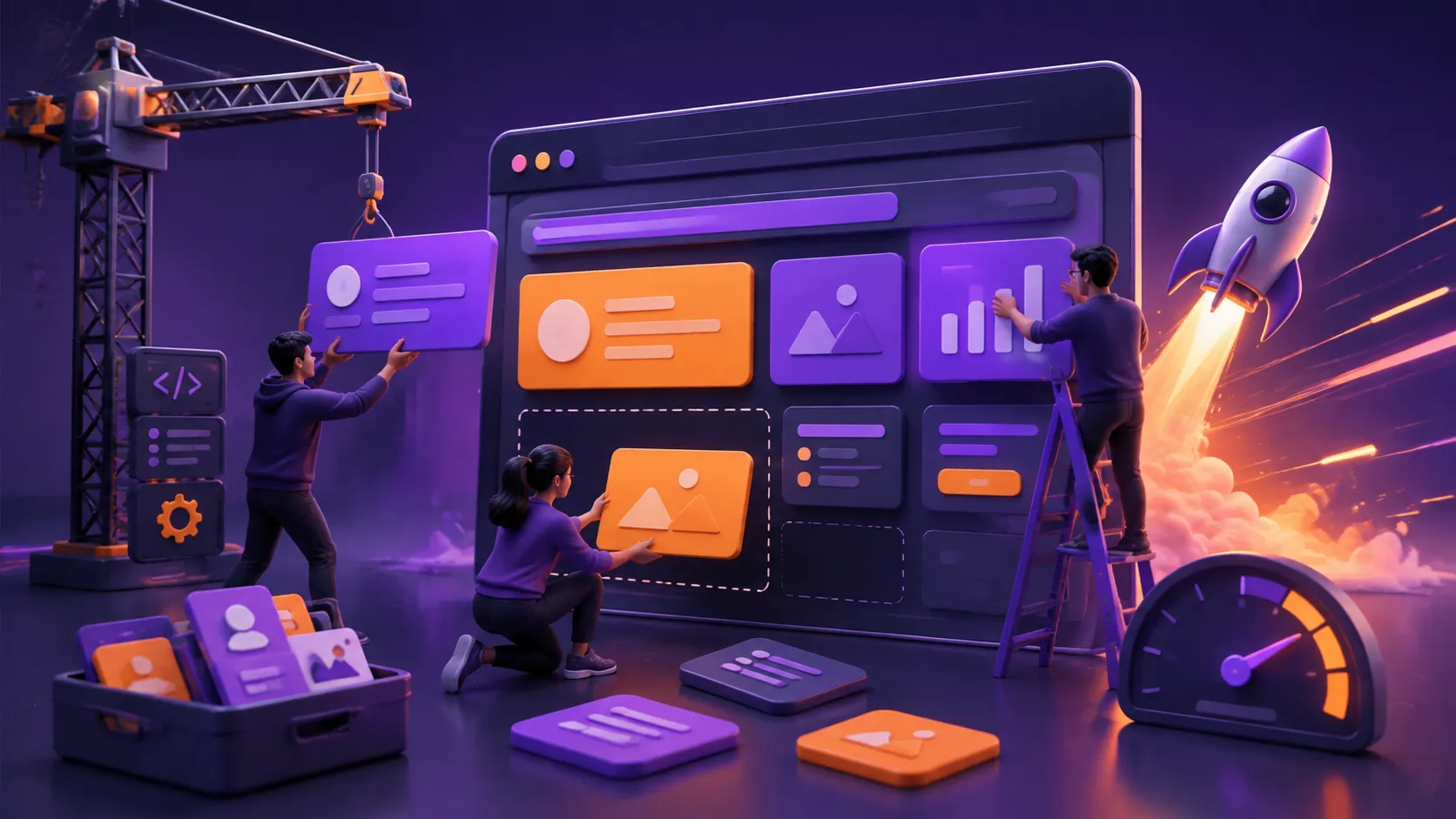
Vibe coding helps non-technical people turn ideas into working products quickly, but that speed can hide fundamental mistakes in product scope, security, testing, data handling, and operations.

A capable, economical model—including DeepSeek for suitable workloads—is not automatically production-grade. Reliability comes from the harness around it: tool routing, context and memory, state recovery, evaluation, observability, permissions, safety guardrails, and inference serving.

React, canvas, OffscreenCanvas, and WebGPU are not mutually exclusive choices. They serve interface regions with different update cadences, interaction needs, and rendering costs.