Quick summary
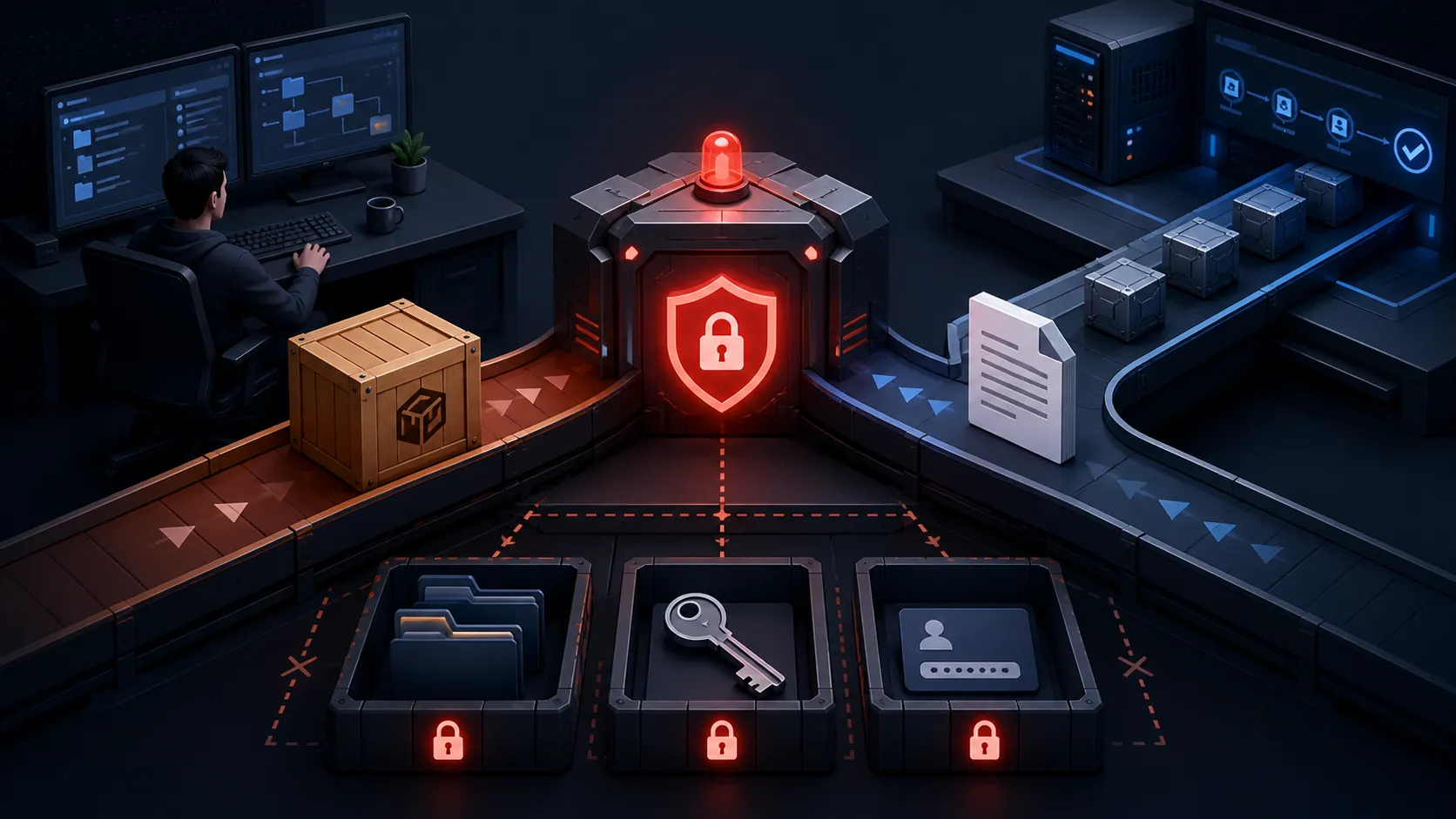
- Reported malicious arrayref releases executed a backdoor during compilation. For Rust teams, dependency security must cover what build tooling executes, not only production runtime code.
- Build agents often hold source, tokens, and network access. A compile-time compromise can create an access path before an application is deployed.
- Search Cargo.lock for arrayref and correlate every match with CI runs, runner identity, and secrets available to the build.
What happened
Runtime-only dependency review is no longer sufficient. A crate can affect the environment while the compiler and build tooling process it, before a binary reaches production.
Wiz reported that malicious versions of the Rust crate arrayref, and others, executed a backdoor at compile time. Its report also describes infrastructure overlap with recent DPRK supply-chain campaigns; that is an investigative signal, not grounds to attribute every related incident to an actor.
Compile time changes the trust model
CI runners commonly hold source checkouts, dependency caches, environment variables, and sometimes publishing credentials. A dependency processed during a build should therefore be treated as code that may affect the build environment.
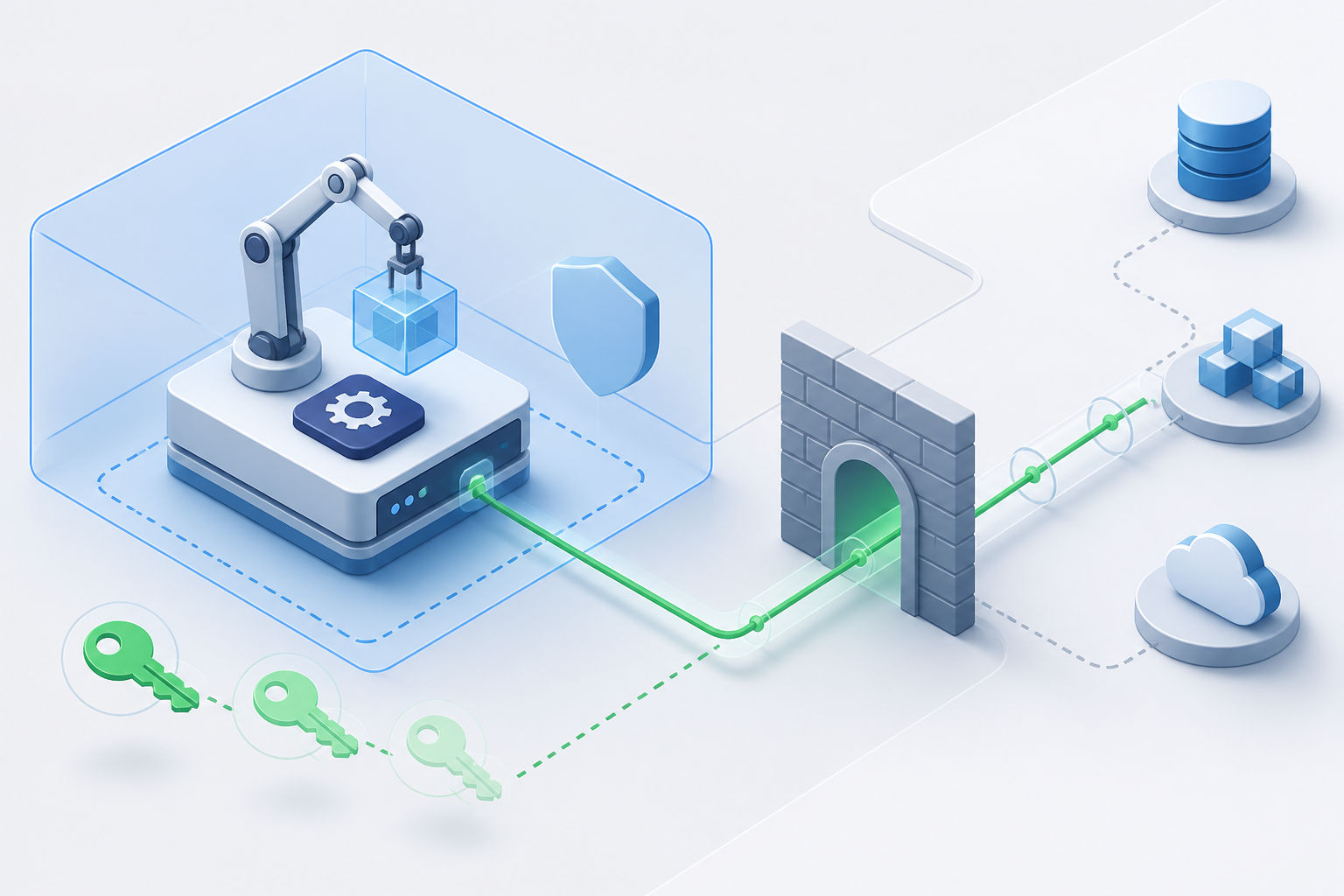
The practical distinction is that exposure does not require the application to run in production. A pipeline that processed a suspect artifact can warrant investigation on its own.
Inspect Cargo using resolved artifacts
- Search Cargo.lock across repositories and identify relevant versions, checksums, and build dates.
- List CI jobs that built Rust projects with artifacts in the investigation scope.
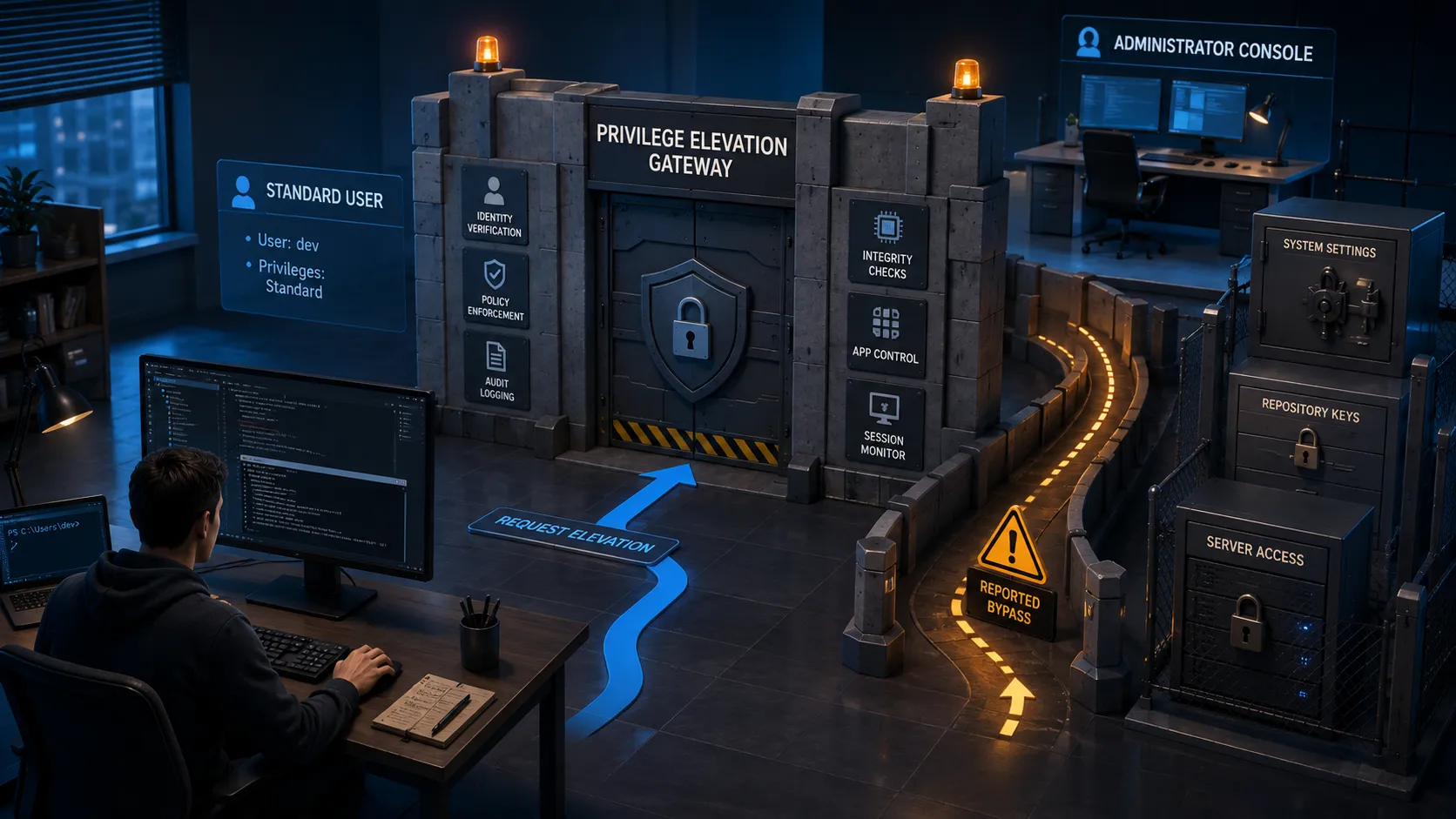
- Classify runners by privilege: secrets, network egress, registry write access, and release authority.
- After applying authoritative dependency guidance, rebuild from a clean cache.
Reduce build privilege instead of assuming crates are harmless
Ephemeral runners, job-scoped secrets, and separated publishing authority limit the consequences of a compromised dependency. Controlled egress and access logs also make a later investigation more tractable, although neither replaces patching.
Keep builds reproducible enough to trace a released artifact to a commit and dependency set. A reviewed lockfile and disposable cache are useful operational controls.
What to watch next
Monitor the technical scope in Wiz’s arrayref research. As details evolve, compare them with internal logs instead of using a package name alone as proof of exposure.
In 5 Minutes
- Compile time is a separate attack surface.
- Cargo.lock and CI logs establish real scope.
- Prioritize runners with secrets and publishing access.
- Clean rebuilds and lower build privilege reduce risk.
Sources
- Securing open source software, together
- Supply Chain Security Analysis of a 9.5M-Install VS Code Extension
- Rust Supply Chain Attack on arrayref: Significant Overlap with DPRK Campaigns
- How to Investigate GitHub PAT Compromise: Lessons From a Multi-Organization Campaign
- Closing the Blind Spot: Securing Personal Repositories in the Software Supply Chain
- keyv and cacheable npm Package Hijacked in Supply Chain Attack
Why developers should care
Build agents often hold source, tokens, and network access. A compile-time compromise can create an access path before an application is deployed.
Recommended action
- 1Search Cargo.lock for arrayref and correlate every match with CI runs, runner identity, and secrets available to the build.