Quick summary
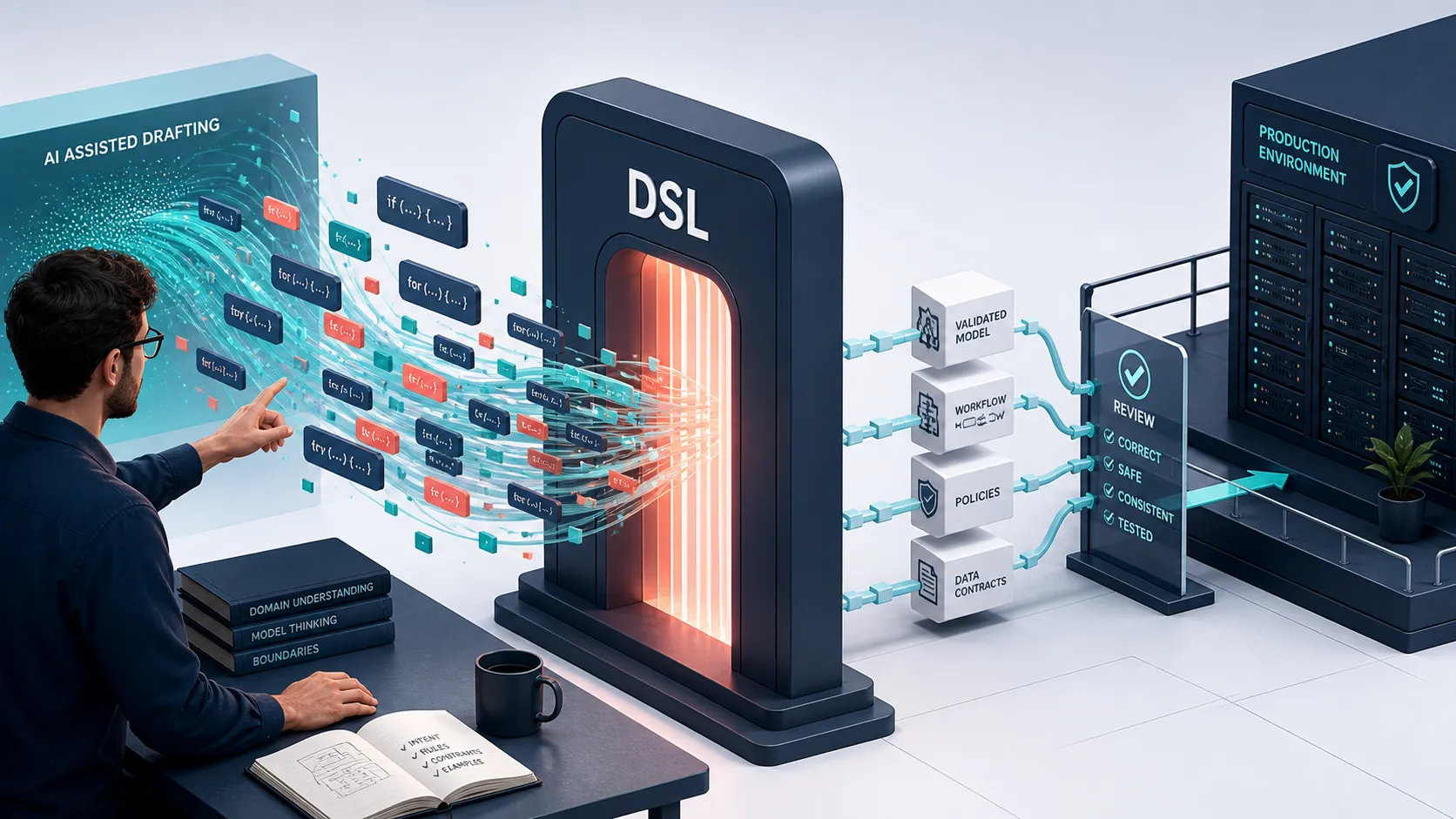
- MCP creates a new connection surface between AI agents and internal tools. Cloudflare’s protocol-level detection signal suggests that effective governance starts with inventory, then moves to approved paths and enforcement.
- Teams cannot apply least privilege or investigate incidents reliably when they do not know which MCP connections and servers are in use.
- Inventory MCP servers and compare the list with network telemetry; investigate connections without a clear owner first.
What happened
MCP is more than a way for a model to call a tool. Once an MCP server reaches internal APIs, data, or systems, it becomes an access path that must be observable and controllable.
The important signal is Cloudflare Gateway’s protocol-level heuristics for identifying MCP requests. It is a practical premise: before deciding which servers to trust, an organization needs to know which MCP connections actually exist.
Why discovery comes before enforcement
AI tooling is often trialed by multiple teams at speed. That can create shadow MCP: servers or connections that did not pass an approval process but can still reach company resources. A platform team’s self-reported server list is not proof of complete coverage.

Cloudflare says its detection signal can help find shadow MCP traffic, enforce Portal-only access for approved servers, and block direct connections on managed network paths. That is a useful example of turning protocol identification into a governance control.
A workable control model
Detection is not an infallible security verdict. Treat it as an investigation input: which application owns the connection, which tools the server exposes, what data may traverse it, and who operates it?
- Maintain an approved MCP server inventory with named owners.
- Compare that inventory with network telemetry and investigate mismatches.
- Define a standard access path for approved servers; restrict direct paths where the infrastructure permits it.
- Record and review exceptions rather than letting them become the default configuration.
What builders should change
For server builders, security should not be an afterthought once a tool works. The discussion of building, securing, and serving MCP servers in practice is a sign that implementation questions are now operational questions.
Define a trust boundary for every tool: accepted input, actions that require stronger authorization, and logs sufficient to reconstruct a call. Broad permissions should not be granted merely because an agent might need them.
What to watch next
Visibility is a beginning, not a replacement for authentication, authorization, or tool-behavior review. Evaluate telemetry coverage in your own environment before treating a blocking policy as complete.
In 5 Minutes
- MCP creates additional routes from AI to internal systems.
- Traffic detection can expose unmanaged MCP use.
- Inventory, approved paths, and exception handling are practical first controls.
- Design tool permissions and audit logs from the start.
Sources
Why developers should care
Teams cannot apply least privilege or investigate incidents reliably when they do not know which MCP connections and servers are in use.
Recommended action
- 1Inventory MCP servers and compare the list with network telemetry; investigate connections without a clear owner first.