Quick summary
- AI agents now cross identity, tool, data, and infrastructure boundaries whenever they act on a user's behalf. AWS implementation guidance and attack activity observed by Wiz show why security controls must follow the complete path from user to model to tool.
- Model guardrails cannot independently prevent excessive data access, compromised tool servers, or credential theft. Every tool invocation needs its own identity context, authorization decision, validation, and audit trail.
- Map one production agent from the initiating principal through every tool and data store, then remediate the first point where authorization context disappears, credentials are broadly shared, or tool output goes unvalidated.
What happened
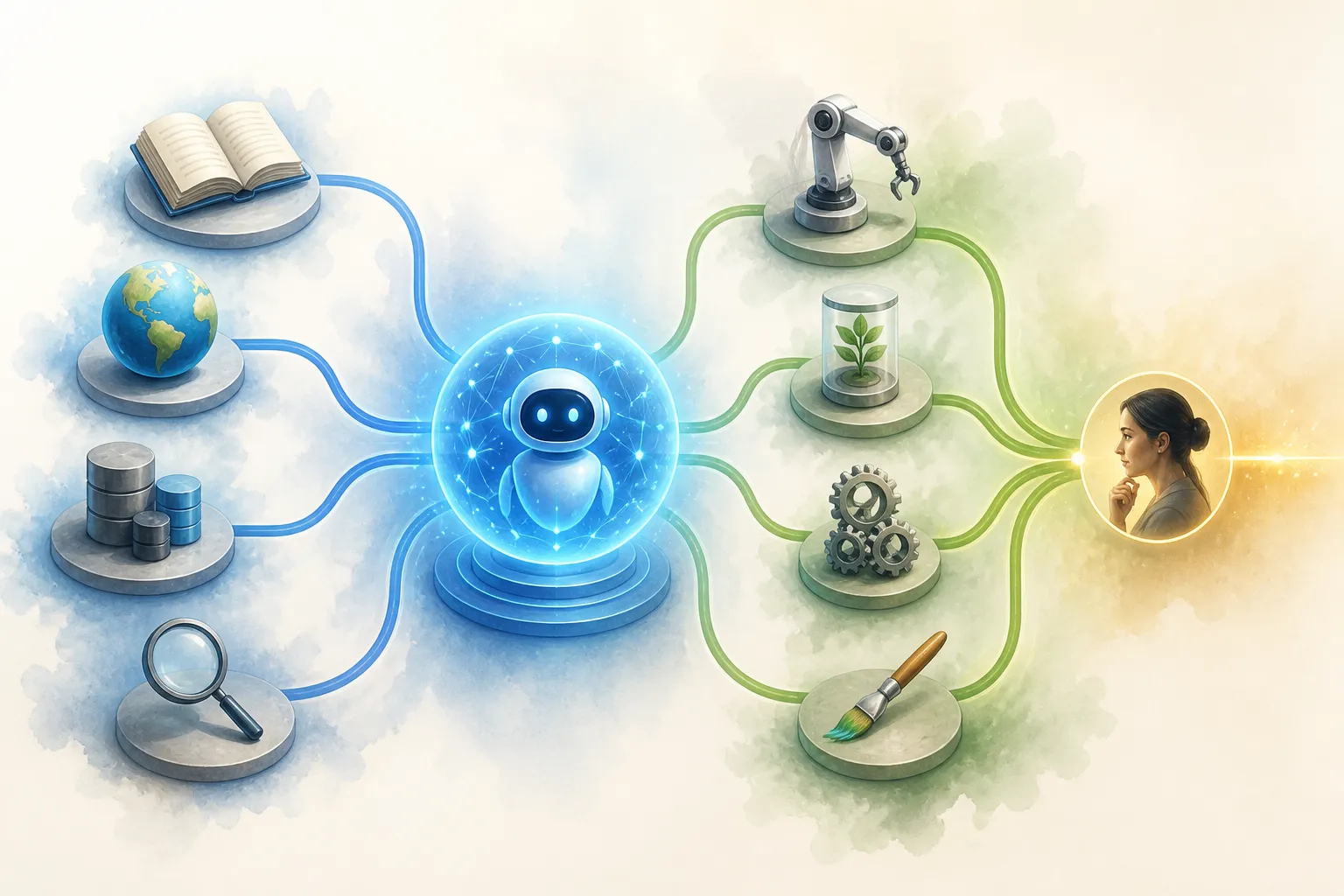
AI agents turn natural-language requests into actions across databases, document stores, SaaS platforms, and internal APIs. That makes the model only one part of the security boundary: authorization context, credentials, tool arguments, and returned data all travel through systems that model-level filtering does not fully govern.
Recent guidance and threat observations converge on that gap. AWS has documented patterns for propagating authorization, adapting custom authentication, and applying guardrails to tools, while Wiz's AI infrastructure honeypots observed active campaigns targeting LiteLLM, MCP servers, and AI frameworks through remote code execution, blind prompt injection, and credential theft from memory.
Why are model guardrails not enough?
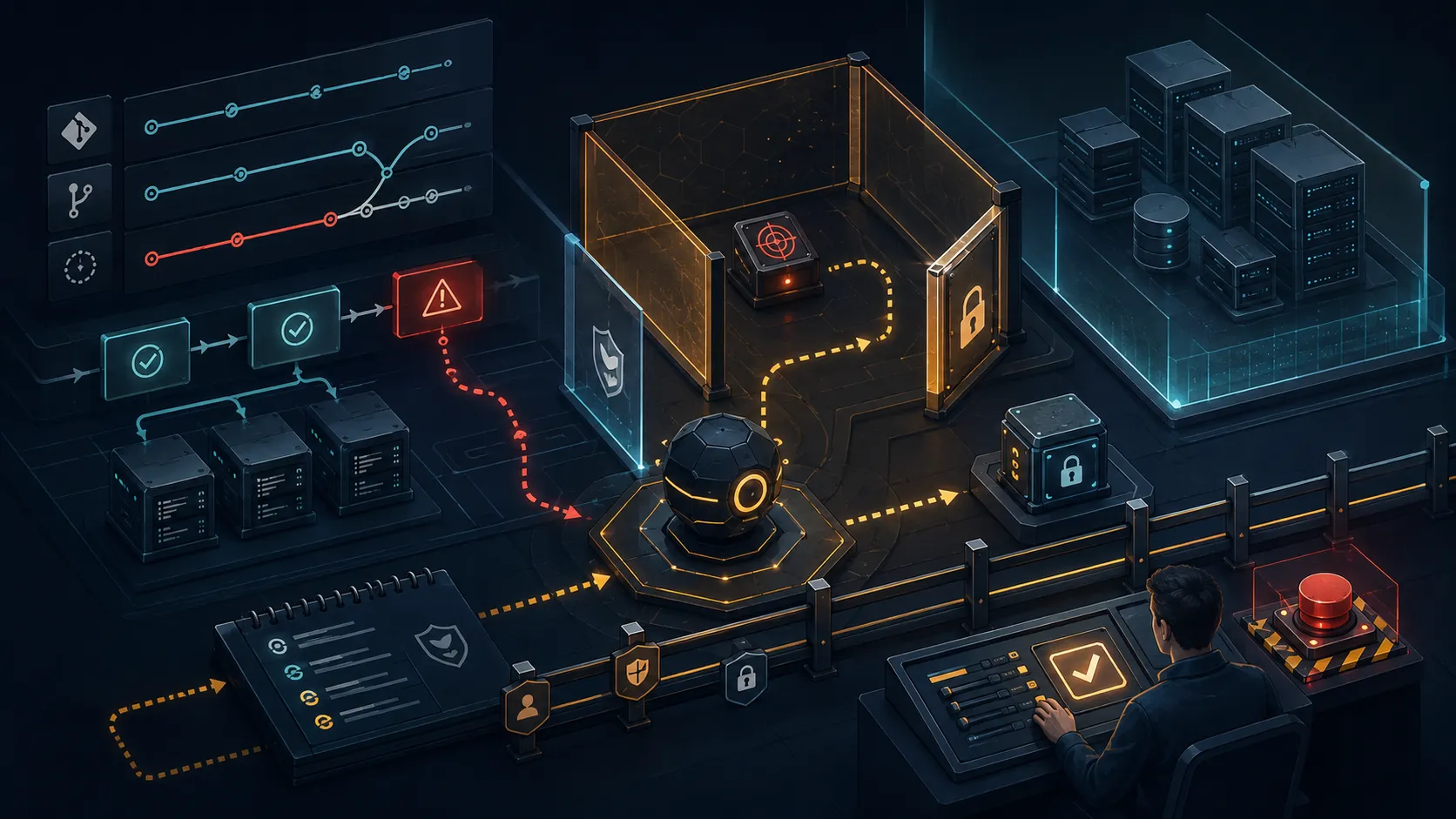
A model-boundary guardrail can evaluate content entering or leaving the model, but an agent also sends arguments to tools, consumes external responses, and moves information between systems. In its guidance for extending Amazon Bedrock Guardrails with the Strands Agents SDK, AWS describes an implementation with three validation checkpoints for interactions outside the model boundary.
This exposes the difference between content safety and execution security. A harmless-looking answer may have been assembled from data the requester was not authorized to read. Conversely, a syntactically valid tool call may carry a dangerous parameter introduced through prompt injection.
MCP and gateways should not be assumed to create a trusted boundary by themselves. They can standardize and broker integrations, but their servers, frameworks, and downstream credentials remain an attack surface. Teams building an MCP-based collection of development tools should threat-model each capability exposed to the agent, not just the model that selects it.
What must a layered agent security design control?
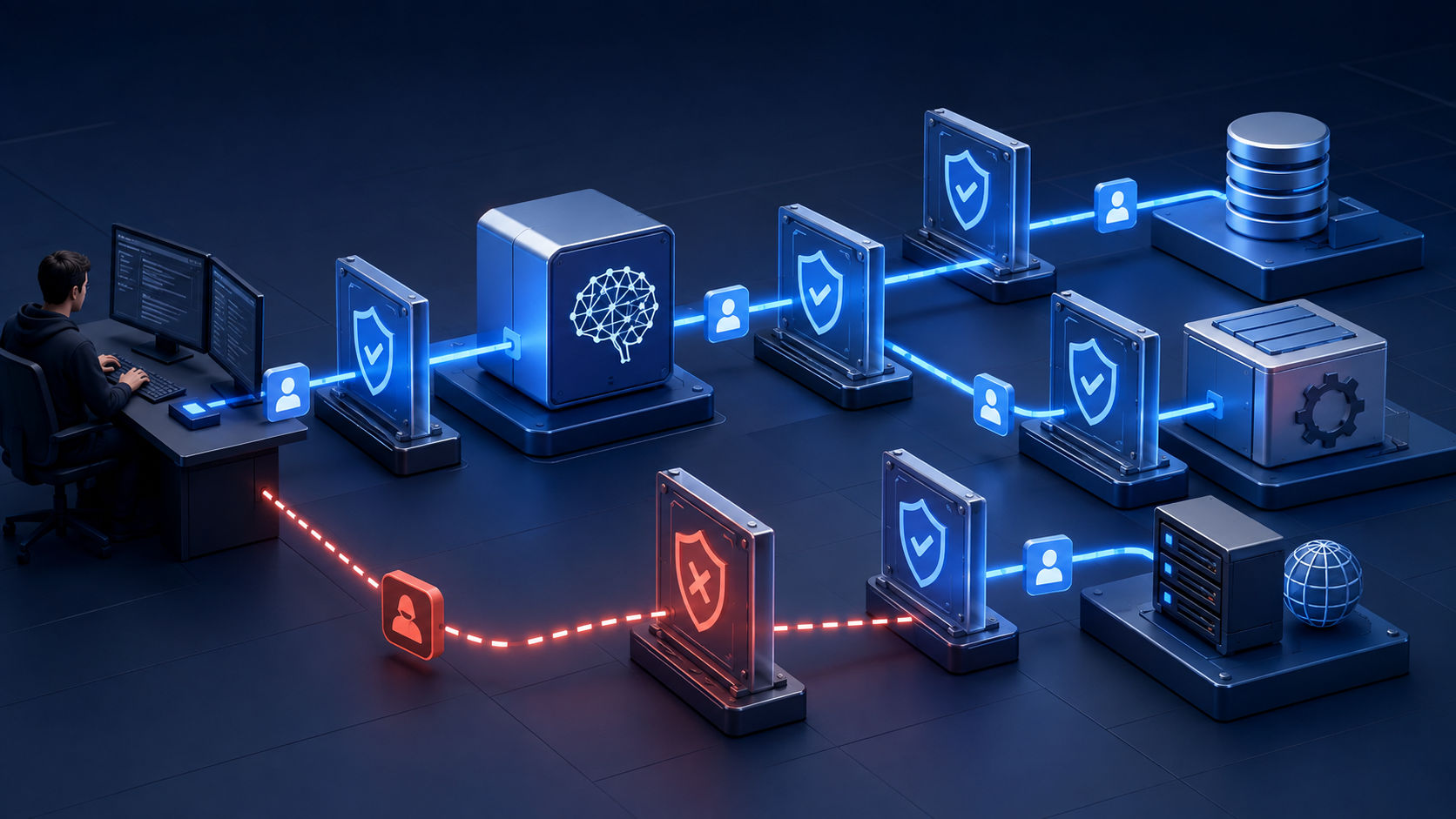
A useful architecture treats every step in the agent chain as a trust-boundary crossing. Identity should survive across the chain, while permission must be evaluated again by the component that owns the resource rather than inferred from the model's decision.
| Layer | Primary risk | Priority control |
|---|---|---|
| User to agent | Missing or forged caller context | Authenticate the user and preserve the principal and authorization attributes |
| Agent to tool | Wrong tool or unsafe arguments | Tool allowlists, schema validation, and action-level policy |
| Tool to data | Unauthorized reads or changes | Resource-side authorization, least privilege, and constrained scope |
| Tool response | Hostile content or sensitive data entering context | Output validation, data filtering, and context limits |
| Runtime and gateway | RCE, secret exposure, or service takeover | Patching, isolation, secret management, and behavioral monitoring |
The AWS authorization-propagation pattern for AgentCore addresses a fundamental design failure: an agent that does not know who is asking may return information that person should not see. The broader principle is to carry sufficient identity context to the destination that makes the policy decision without replacing every user with one broadly privileged service identity.
Authentication and authorization must also remain separate. OAuth 2.0, IAM, or an API key can establish or represent identity, but policy still determines which tool that identity may invoke, which resource it may reach, and which operation it may perform.
Where should engineering teams start?
Begin with an inventory of every callable tool, including read operations, writes, and irreversible actions. For each one, record the principal used, inbound and outbound data, authorization enforcement point, associated secrets, and audit events that must be retained.
- Carry identity end to end: preserve user context through the agent runtime, gateway, and adapter, and fail closed when required context is absent.
- Reduce privileges: separate read tools from state-changing tools, constrain resources, and avoid one powerful credential shared by every session.
- Validate around execution: check the selected tool and the type, range, and scope of its arguments; inspect returned data before placing it back into model context.
- Isolate infrastructure: operate LiteLLM, MCP servers, plugins, and agent frameworks as potentially exploitable workloads rather than harmless middleware.
- Record decisions: log the principal, tool, applied policy, result, and correlation identifier without unnecessarily storing secrets or sensitive payloads.
Enterprise agents may still need to connect to services using HTTP Basic Authentication under RFC 7617. AWS's AgentCore Gateway example uses a request Lambda interceptor to support custom authentication alongside built-in OAuth 2.0, IAM, and API-key options. Such an interceptor is a compatibility boundary, not a substitute for transport protection, secret rotation, safe storage, or tightly limited permissions.
These controls belong in an explicitly owned and governed control plane rather than being reproduced informally in prompts. The same architectural principle appears in designing a governed automation control plane: centralize policy and make distributed execution auditable.
What should teams test and monitor next?
Agent red-teaming should exercise the whole chain instead of stopping at attempts to elicit prohibited model output. Useful cases include a low-privilege user requesting high-privilege data, an external document containing hidden instructions, out-of-schema tool arguments, a tool response attempting to steer the next agent step, and credentials exposed from runtime memory.
Operational detection should look for a principal invoking an unusual tool, abrupt increases in an agent's call volume, parameters outside expected scope, and data access inconsistent with the task. Logs should reconstruct the user–agent–tool–resource chain without turning the observability platform into another repository of credentials and private data.
The AWS materials are implementation patterns for a specific cloud ecosystem, while the Wiz report describes activity observed in the company's honeypots. Neither establishes that every agent stack faces an identical incident, but together they provide strong evidence for reviewing controls outside the model boundary now.
Conclusion
- Model guardrails protect only one segment of an agent workflow.
- User identity and authorization decisions must reach the system that owns the data or action.
- Gateways, MCP servers, and AI frameworks must be operated as sensitive infrastructure.
- Prioritize tool inventory, least privilege, validation checkpoints, and auditable logs.
Related reading
- Ventura React: Is this lightweight component library still fit for new projects?
- Nova MCP turns Cursor and Claude into a product-building team
- Ansible Automation Orchestrator: Designing a Governed Control Plane
Sources
- Propagate user authorization context in AI agents with Amazon Bedrock AgentCore
- Implement custom authentication for tools integration using request Lambda interceptor in AgentCore Gateway
- Extend Amazon Bedrock Guardrails to Tool Interactions Using the Strands Agents SDK
- Inside 90 days of attacks on AI infrastructure
Why developers should care
Model guardrails cannot independently prevent excessive data access, compromised tool servers, or credential theft. Every tool invocation needs its own identity context, authorization decision, validation, and audit trail.
Recommended action
- 1Map one production agent from the initiating principal through every tool and data store, then remediate the first point where authorization context disappears, credentials are broadly shared, or tool output goes unvalidated.