Quick summary
- Pulumi’s support for remote execution, Terraform state, hosted modules, and HCL focuses attention on how IaC is run and governed. That is particularly relevant to platform teams seeking to standardize workflows rather than merely change parsers.
- IaC can change real resources. Standardizing where and how changes run can matter as much as retaining the configuration itself.
- Select one low-risk fragmented IaC workflow and assess remote execution through identity, secret handling, auditability, and recovery.
What happened
Being able to read or run HCL solves only one part of interoperability. For devops teams, the more operational questions are who runs changes, where they run, where state lives, and whether the process is repeatable. Pulumi is linking Terraform and OpenTofu support to remote execution, Terraform state, and hosted modules in Pulumi Cloud.
Pulumi’s guided tour presents those pieces as one workflow. That turns interoperability from a file-format capability into a proposition about the IaC operating layer.
What problem does remote execution address?
Remote execution moves execution out of individual laptops or separately managed runners and into a coordinated running environment. For a Terraform estate, the potential benefit is a more consistent process around state, modules, and runs—but the outcome must be validated against each organization’s policies.
Pulumi says Pulumi Cloud can act as a Terraform backend and HCL in Pulumi IaC is GA. Combined with remote execution, those capabilities warrant a trial for workflows that are currently fragmented.
This is governance, not just CI/CD
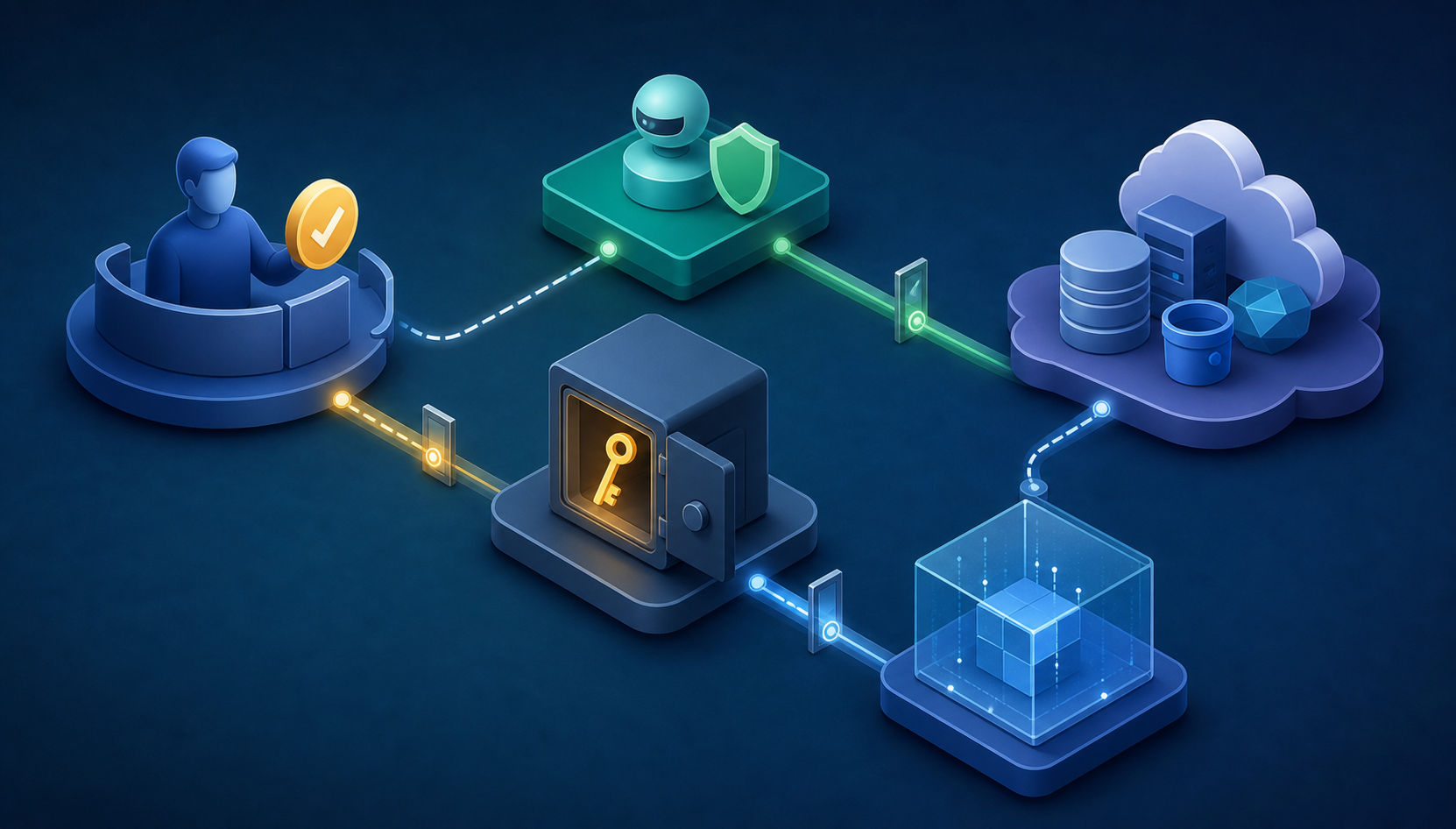
Remote runs change control boundaries. Credentials, environment variables, logs, approvals, and apply permissions all need review. A centralized runner should not be assumed to fit an existing security model or replace every CI/CD responsibility.
- Map which identity initiates a run and which identity changes infrastructure.
- Verify how secrets are supplied, masked, and rotated.
- Set explicit limits on environments the pilot may apply to.
- Test logging, audit needs, and interrupted-run recovery against internal requirements.
Which pilot is most useful?
Choose a real workflow troubled by inconsistent runners or fragmented state procedures, while keeping blast radius low. A clean demonstration repository will not establish whether the new model improves daily operations.
A decision criterion
Continue only if the remote workflow preserves expected infrastructure behavior and makes operational ownership clearer. If it increases access complexity or weakens recovery, interoperability alone is not sufficient reason to change.
In 5 Minutes
- Pulumi connects Terraform support with state, hosted modules, and remote execution.
- The central value is an operating workflow, not merely HCL parsing.
- Credentials, secrets, auditing, and recovery are mandatory pilot criteria.
- Test a low-risk but genuinely messy workflow.
Sources
Why developers should care
IaC can change real resources. Standardizing where and how changes run can matter as much as retaining the configuration itself.
Recommended action
- 1Select one low-risk fragmented IaC workflow and assess remote execution through identity, secret handling, auditability, and recovery.