Quick summary
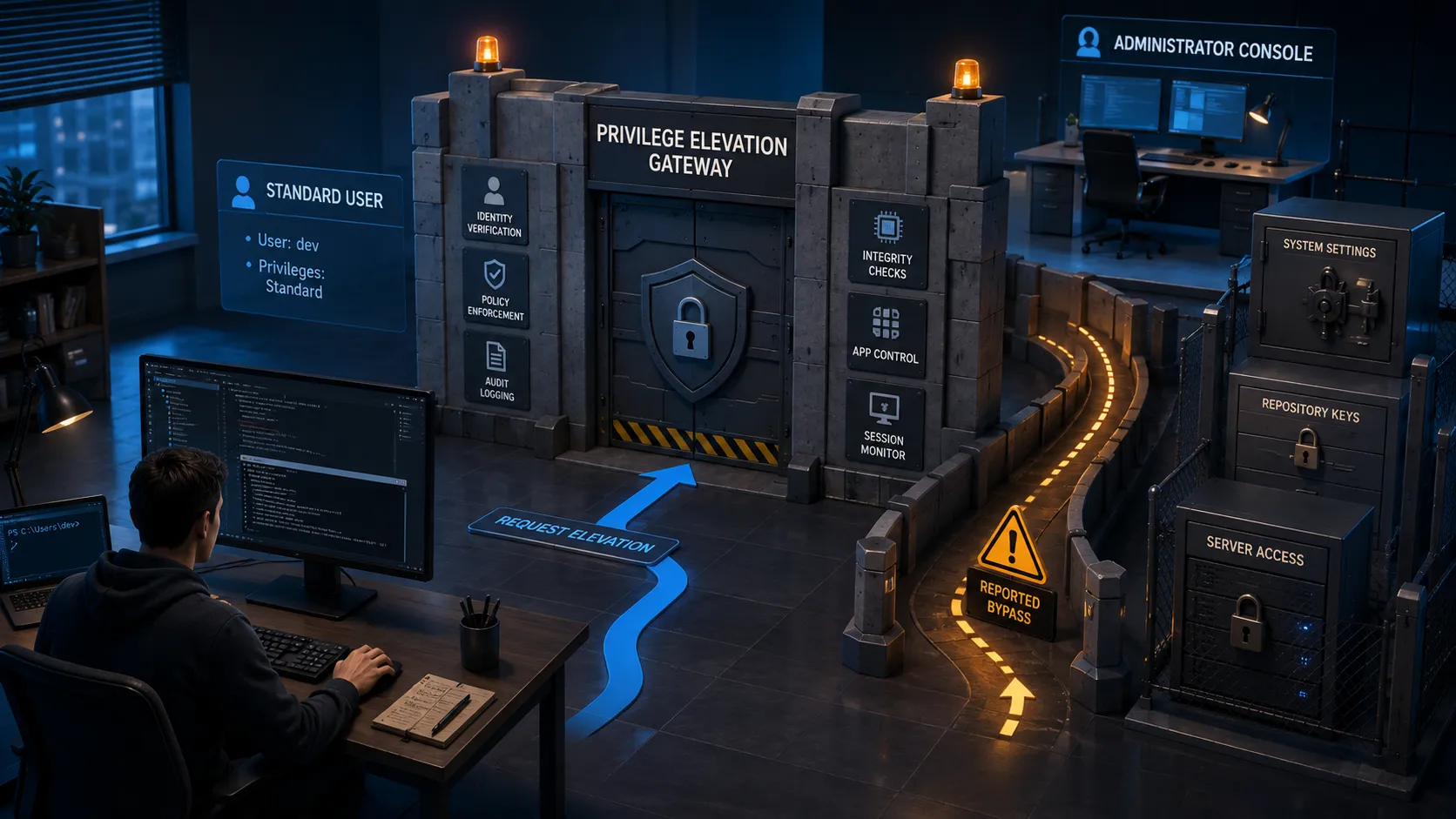
- AgentCore Gateway supports OAuth 2.0, IAM, and API keys, yet enterprises may still depend on HTTP Basic Authentication. AWS describes a request Lambda interceptor as an extension point for custom and legacy tool authentication.
- Agents must often call existing enterprise tools, and the gap between modern and legacy authentication can create uncontrolled security exceptions.
- Create an inventory of agent tool connectors, their authentication methods, and a retirement plan for legacy credentials.
What happened
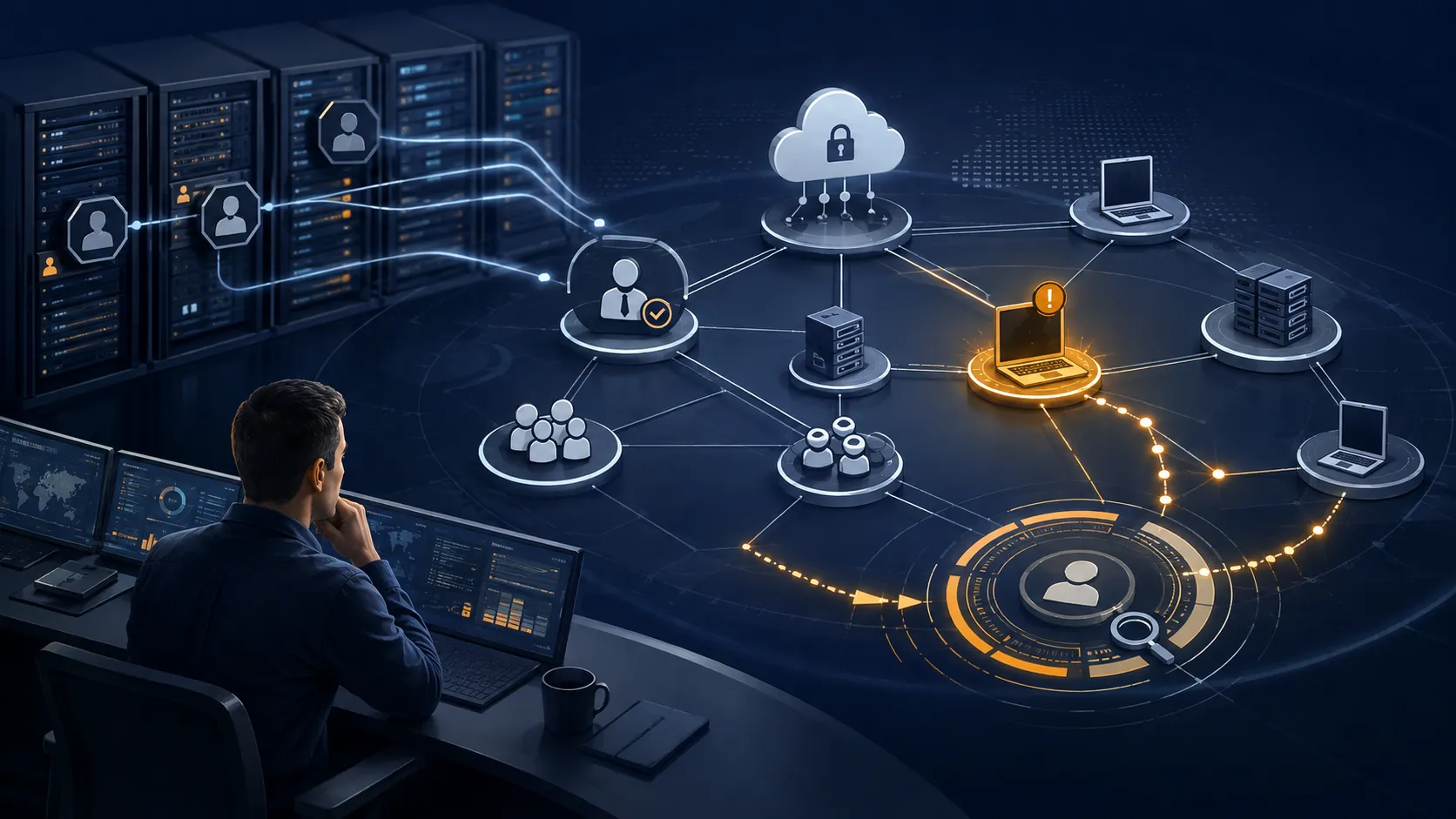
AI agents are useful only when they can invoke enterprise tools and systems. Securing those connections is harder in environments that mix OAuth 2.0, IAM, API keys, and legacy authentication.
AWS describes a request Lambda interceptor for AgentCore Gateway as an extension point for custom authentication, including HTTP Basic Authentication under RFC 7617.
Do not make every agent own every tool secret
When authentication logic and secrets are scattered through prompts, tool code, or individual agents, auditing and change management become difficult. A gateway or intermediary offers a clearer point for policy enforcement and request transformation.
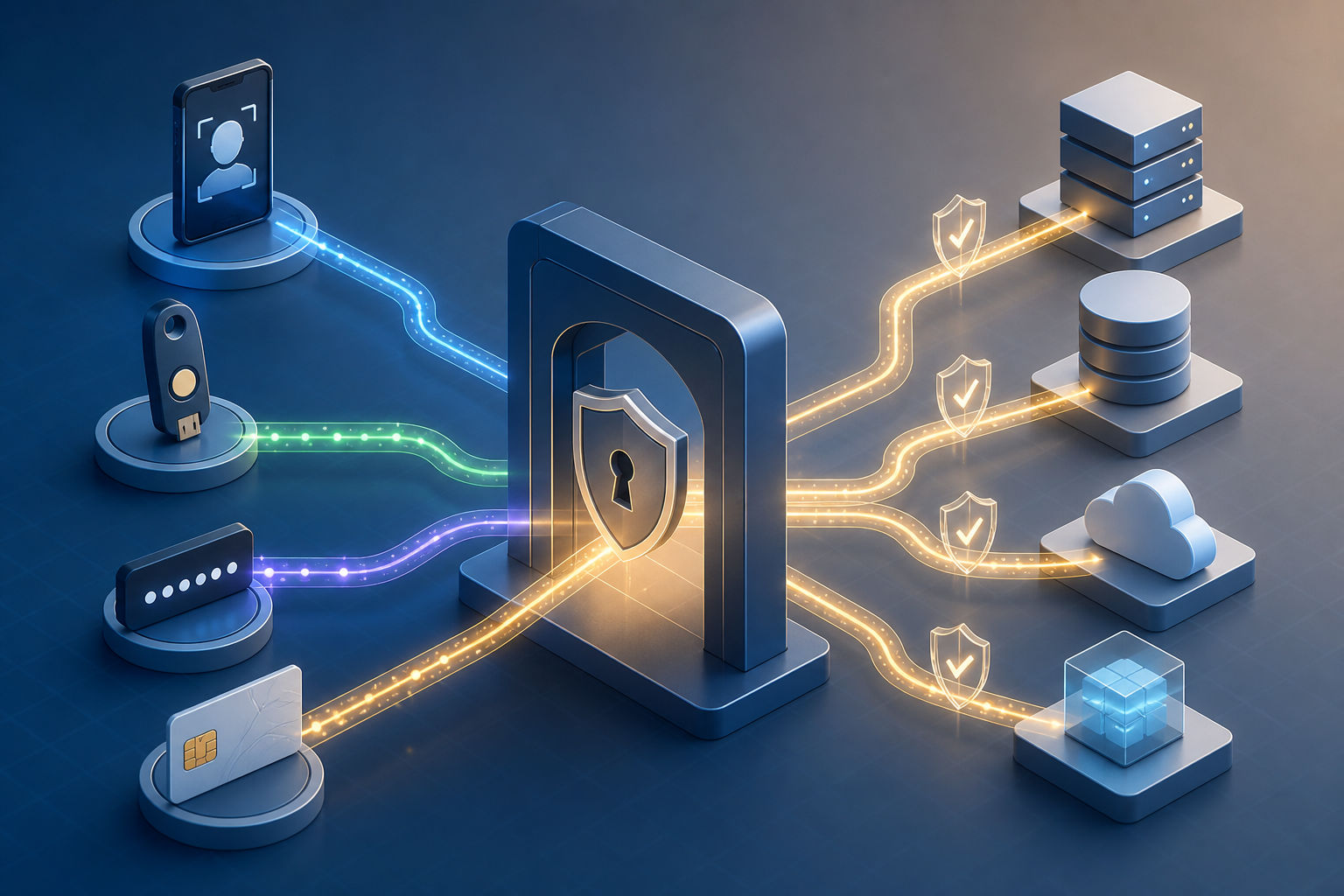
That integration point does not make Basic Auth inherently safer. It should be treated as a constrained compatibility measure, not a long-term default.
Assess every connection by risk
- Classify tools by the data, write impact, and cloud privileges they expose.
- Prefer OAuth 2.0 or IAM when the target supports them.
- Constrain the scope, lifetime, and observability of legacy credentials.
- Record which agent calls which tool and under which authentication method.
Design for replacement, not merely connection
An interceptor can enable a use case without an immediate rewrite of an older system. The roadmap should still define conditions and timing for moving to modern authentication, especially for tools that can alter data or configuration.
Think of each connector as a security contract: which actor can call it, which actions are allowed, and what evidence remains afterward.
In 5 Minutes
- Agent integrations commonly span modern and legacy authentication.
- A mediation layer reduces scattered secrets and logic.
- Basic Auth is a compatibility requirement, not an architectural destination.
- Inventory connectors by data, action, and authentication method.
Sources
- Propagate user authorization context in AI agents with Amazon Bedrock AgentCore
- Implement custom authentication for tools integration using request Lambda interceptor in AgentCore Gateway
- Wiz Red Agent Finds Its Way Into Snowflake’s Internal Jira Through a Flaw in a GitHub Copilot–Assisted PR
- The Closed Loop Remediation Playbook with Wiz
- Securing Data in the AI era
- Wiz at Black Hat 2026: Driving AI Threat Readiness
- Introducing the Wiz Sensor for Developer Workstations to Protect Endpoints in the AI Era
Why developers should care
Agents must often call existing enterprise tools, and the gap between modern and legacy authentication can create uncontrolled security exceptions.
Recommended action
- 1Create an inventory of agent tool connectors, their authentication methods, and a retirement plan for legacy credentials.