Quick summary
- KEPCO is discussing a prepaid electricity arrangement with large power users including Samsung Electronics and SK Hynix. Future electricity payments would be brought forward to help finance grid construction for semiconductor plants, AI data centers, and other advanced industries, although the commercial terms remain undisclosed.
- Power availability is becoming part of AI capacity planning. A prepayment model could accelerate grid financing, but it may also place long-term capital, delivery, and demand risks on the companies building compute-intensive facilities.
- Monitor KEPCO’s formal terms and participant decisions. Teams planning Korean data-center or accelerator capacity should add grid-connection milestones, prepayment exposure, delay remedies, and unused-credit treatment to their infrastructure risk model.
What happened
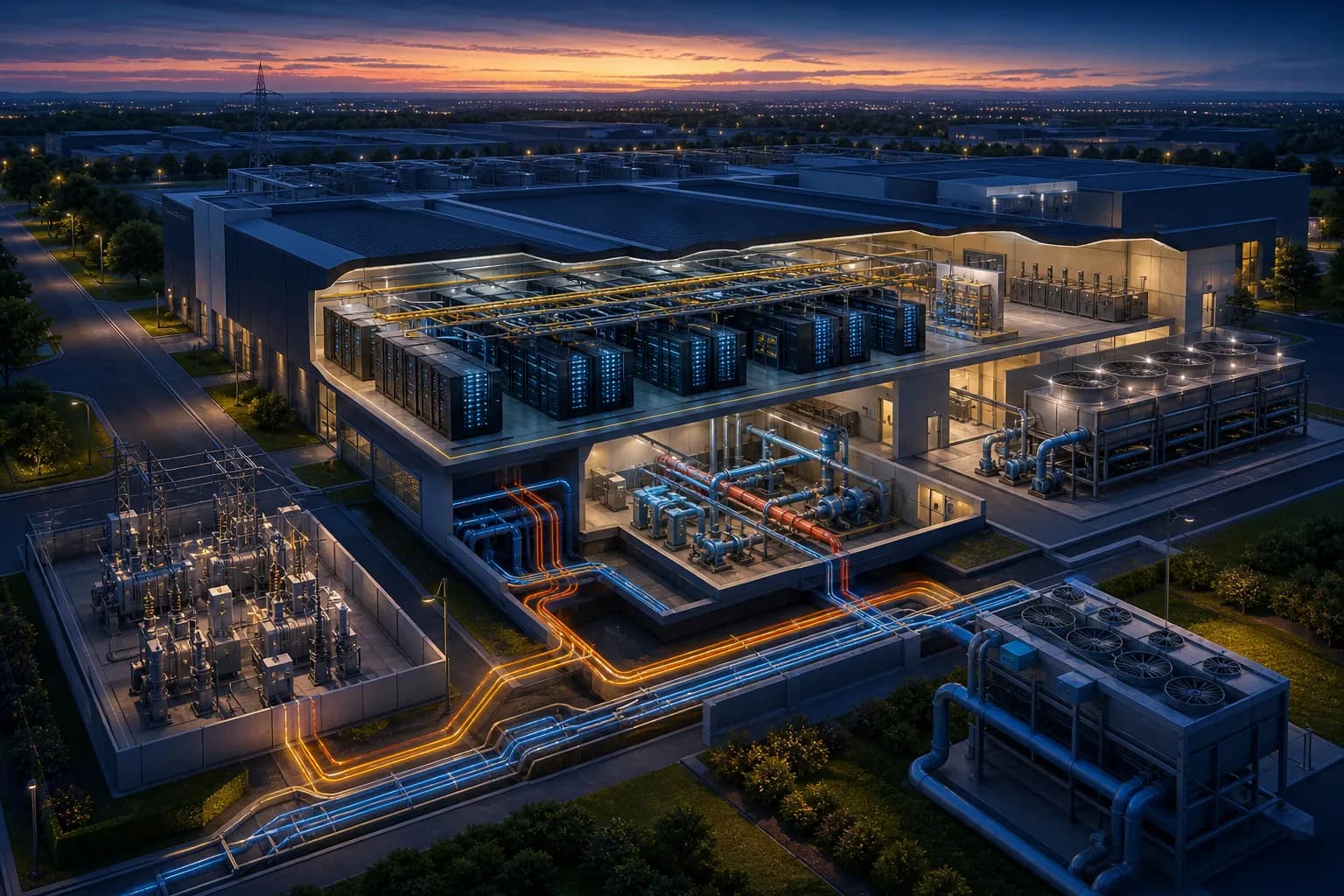
Scaling AI capacity requires more than ordering GPUs and deploying a model-serving stack. A data center cannot turn purchased hardware into usable compute until the site has sufficient power and a grid connection capable of delivering it.
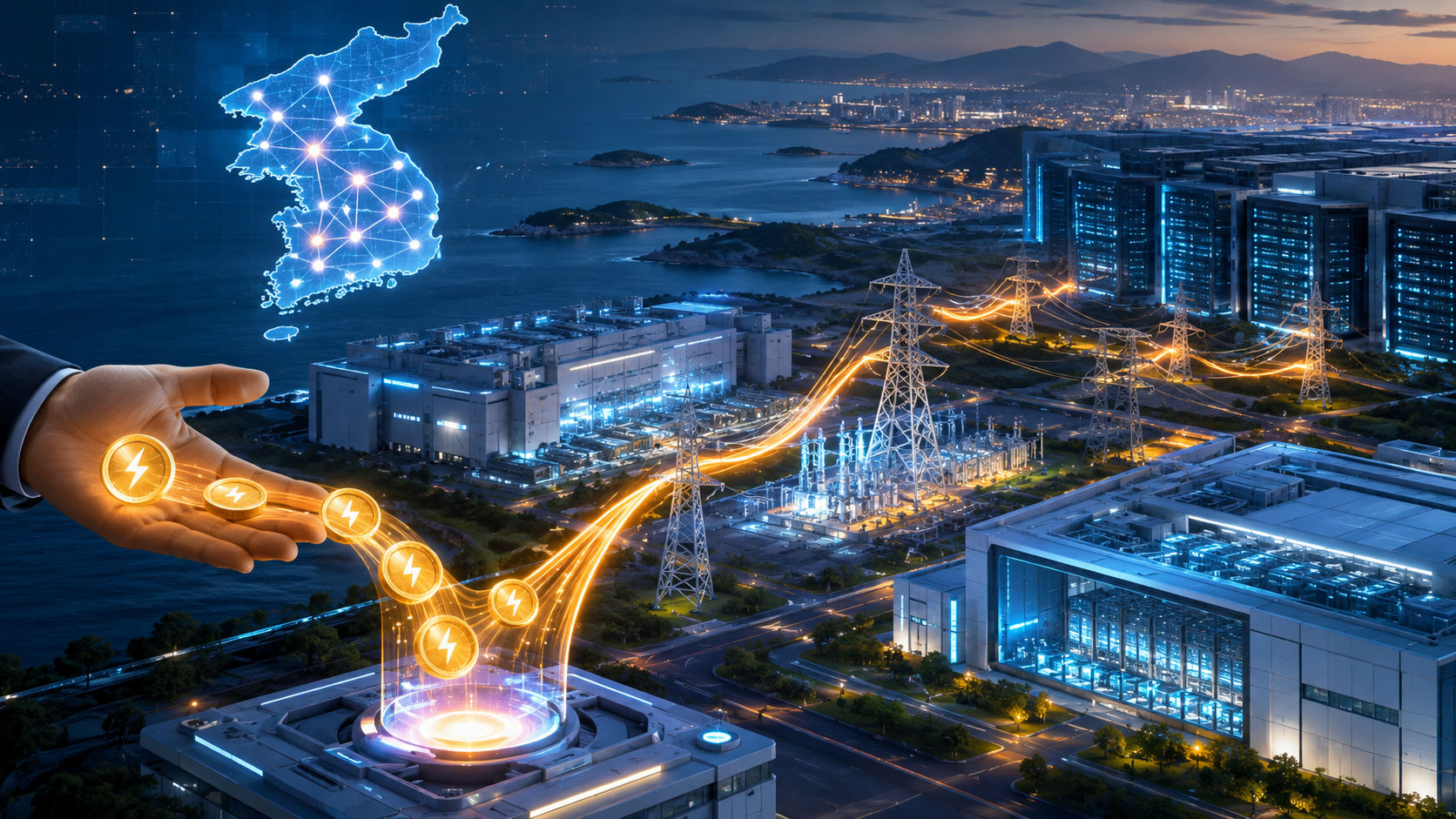
KEPCO is exploring a financing model built around that constraint. Large industrial customers would prepay future electricity bills, giving the utility capital to invest in grid infrastructure for semiconductor manufacturing, AI data centers, and other advanced industries. The proposal is under discussion rather than an established program.
What has KEPCO actually proposed?
According to the report on KEPCO’s large-customer prepayment proposal, the utility has approached Samsung Electronics, SK Hynix, and other major electricity users about participating. Rising grid investment associated with semiconductor production and AI data centers is the stated backdrop.
The core transaction would move cash forward in time. Participating companies would pay electricity charges before the corresponding power is consumed, and KEPCO would use that funding to construct grid infrastructure needed by advanced industrial projects. The intended balance is to ease KEPCO’s financing burden while supporting more reliable infrastructure for customers with large future loads.
Important details are not available in the supplied report. There is no disclosed prepayment amount, contract duration, tariff formula, bill-credit mechanism, project schedule, or accounting treatment. Nor is there confirmation that Samsung Electronics or SK Hynix has agreed to participate.
That distinction matters. The verified development is a proposal and consultation with potential participants—not a finalized tariff, signed financing agreement, or guarantee that new capacity will be delivered by a particular date.
How would prepayment change infrastructure financing?
A utility would ordinarily finance construction first and recover costs over time through electricity revenue and other approved funding channels. Prepayment gives it access to some customer cash earlier, aligning part of the construction budget with businesses expected to create substantial demand.
For the customer, the arrangement could make power planning more closely coordinated with a factory or data-center build. That does not automatically mean cheaper electricity, priority access, or guaranteed capacity. None of those benefits is confirmed by the available evidence, and each would depend on the eventual contract.
The design would need to answer several practical questions:
- Is the prepayment allocated to one site, one grid project, or the customer’s general future consumption?
- How are prepaid funds credited against bills, and what happens if tariffs change?
- What remedy applies if transmission or distribution work is delayed?
- Can a customer recover unused funds if its data-center or fabrication plans shrink?
- Does the funded infrastructure serve only the payer, or does it become shared grid capacity?
- Which party bears the risk when forecast demand and actual consumption diverge?
These are analytical questions, not reported terms. Their answers would determine whether the mechanism offers a fair exchange—earlier funding for clearer infrastructure commitments—or merely transfers financing and execution risk to industrial customers.
Why does this matter to AI and cloud engineering teams?
Power procurement may sit outside the software organization, but power constraints can surface directly in technical roadmaps. They can limit how many accelerators enter production, delay cluster expansion, change workload placement, and increase reliance on capacity rented from external providers.
Engineering leaders therefore need to treat energization as a dependency alongside server procurement, cooling, networking, orchestration, security, and observability. A target launch date based only on hardware delivery is incomplete if the facility’s grid connection follows a different schedule.
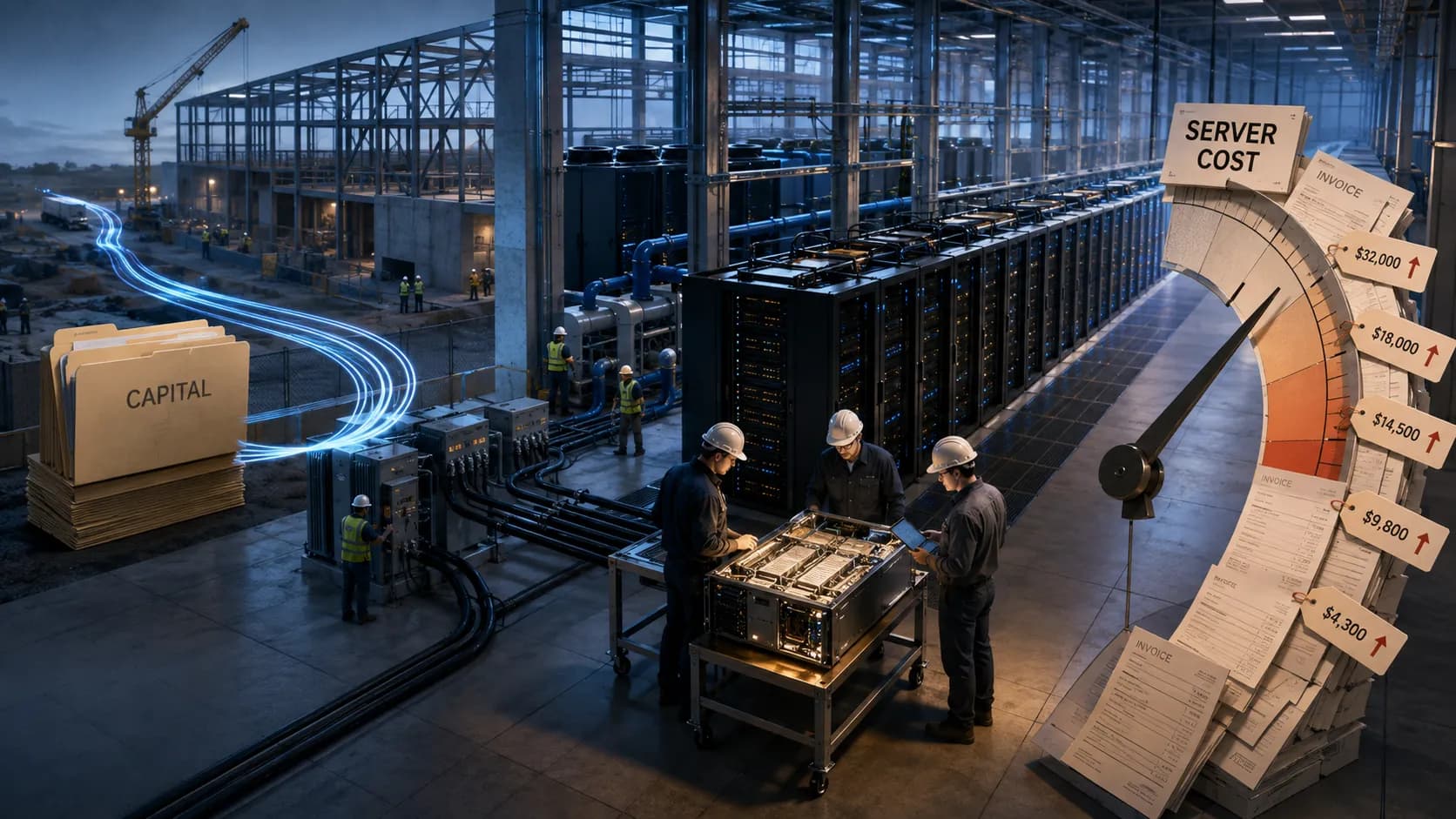
The proposal also illustrates how AI infrastructure costs extend beyond accelerators. Capital may be tied up before electricity is consumed, potentially affecting the financial case for building private capacity versus renting cloud infrastructure. The report does not establish any effect on cloud prices, but it identifies another cost and timing variable that operators may eventually have to model.
For capacity planning, it helps to separate three related constraints. Generation concerns whether enough electricity exists in the broader system. Grid access concerns whether that electricity can reach the planned site at the required scale and time. Commercial access concerns the price, commitments, and contractual risks required to reserve that capability.
Software efficiency still matters within those constraints. Higher utilization, workload scheduling, and better inference economics can extract more useful work from installed infrastructure. They cannot, however, substitute for a missing physical connection or eliminate the need to coordinate compute growth with available power.
What should companies watch before committing capital?
The first signal is whether KEPCO publishes a formal framework. Developers and technical founders do not need every utility accounting detail, but their infrastructure and finance teams need to understand the prepayment term, how credits are calculated, and whether payment is tied to measurable delivery milestones.
The second is the remedy structure. A credible agreement would need clear treatment of construction delays, cancelled facilities, lower-than-expected consumption, and any gap between requested and delivered capacity. Without those provisions, a customer could fund infrastructure before knowing when it can deploy the compute that justified the payment.
The third is eligibility and allocation. A narrowly negotiated arrangement for a small number of semiconductor companies would have different market implications from a standardized option available to data-center operators or industrial campuses. It will also matter whether prepaid money is ring-fenced for the contributor’s connection or supports a broader grid portfolio.
Finally, companies should compare the full commitment rather than treating prepayment as a standalone electricity expense. The relevant model includes capital timing, site life, hardware deployment phases, expected utilization, expansion options, and exit rights. Until formal terms appear, any conclusion about savings, faster connections, or preferential treatment would be premature.
Conclusion
- KEPCO has proposed a future-electricity prepayment mechanism; it has not announced a completed program.
- The funding is intended for grid construction associated with semiconductors, AI data centers, and other advanced industries.
- Samsung Electronics and SK Hynix are among the companies being consulted, but participation is not confirmed.
- Pricing, delivery obligations, refunds, and demand risk will determine whether the model is attractive.
- AI operators should place grid access on the same critical path as GPUs, cooling, networking, and software deployment.
Related reading
- Previewing the Model Hardware Standard: a safety boundary for AI-controlled devices
- Introducing Claude Fable 5.1 and Claude Mythos 5.1: What Developers Should Verify
- AI Agents Can Now Transact—Control Is the Hard Part
Source
Why developers should care
Power availability is becoming part of AI capacity planning. A prepayment model could accelerate grid financing, but it may also place long-term capital, delivery, and demand risks on the companies building compute-intensive facilities.
Recommended action
- 1Monitor KEPCO’s formal terms and participant decisions. Teams planning Korean data-center or accelerator capacity should add grid-connection milestones, prepayment exposure, delay remedies, and unused-credit treatment to their infrastructure risk model.