Quick summary
- AI agent engineering is shifting from prompt refinement toward operational layers for skills, memory, MCP connections, credentials, behavioral evaluation, and execution. For web teams, these controls separate an impressive demo from a system that can be tested, governed, and maintained.
- A strong prompt cannot guarantee consistent behavior or safe tool access. Teams deploying agents need explicit data contracts, permissions, evaluations, and observable execution paths.
- Choose one read-only web workflow, define its task contract and behavioral evaluation suite, then trial MCP with tightly scoped credentials before considering production deployment.
What happened
AI agents embedded in web products are moving beyond the model-plus-prompt prototype. The recurring focus on reusable skills, file-based memory, MCP infrastructure, behavioral evaluation, and execution harnesses points to a shared engineering problem: controlling what an agent does after it reaches production.
The available evidence does not establish one settled architecture. It does show a broader effort to move operational behavior out of opaque prompts and into components that teams can inspect, test, version, and replace.
Why can’t the prompt serve as the control plane?
A prompt can instruct a model, but it does not independently determine which tools are permitted, what state should persist, how regressions will be detected, or what happens after an action fails. Once an agent can read private data, call a service, or change application state, those decisions become system-design concerns rather than wording problems.
The proposal to document recurring agent behavior as an evaluation standard captures this shift. Instead of judging only the final answer, a team can define expected behavior and use it to detect changes after a model, tool, or context update.
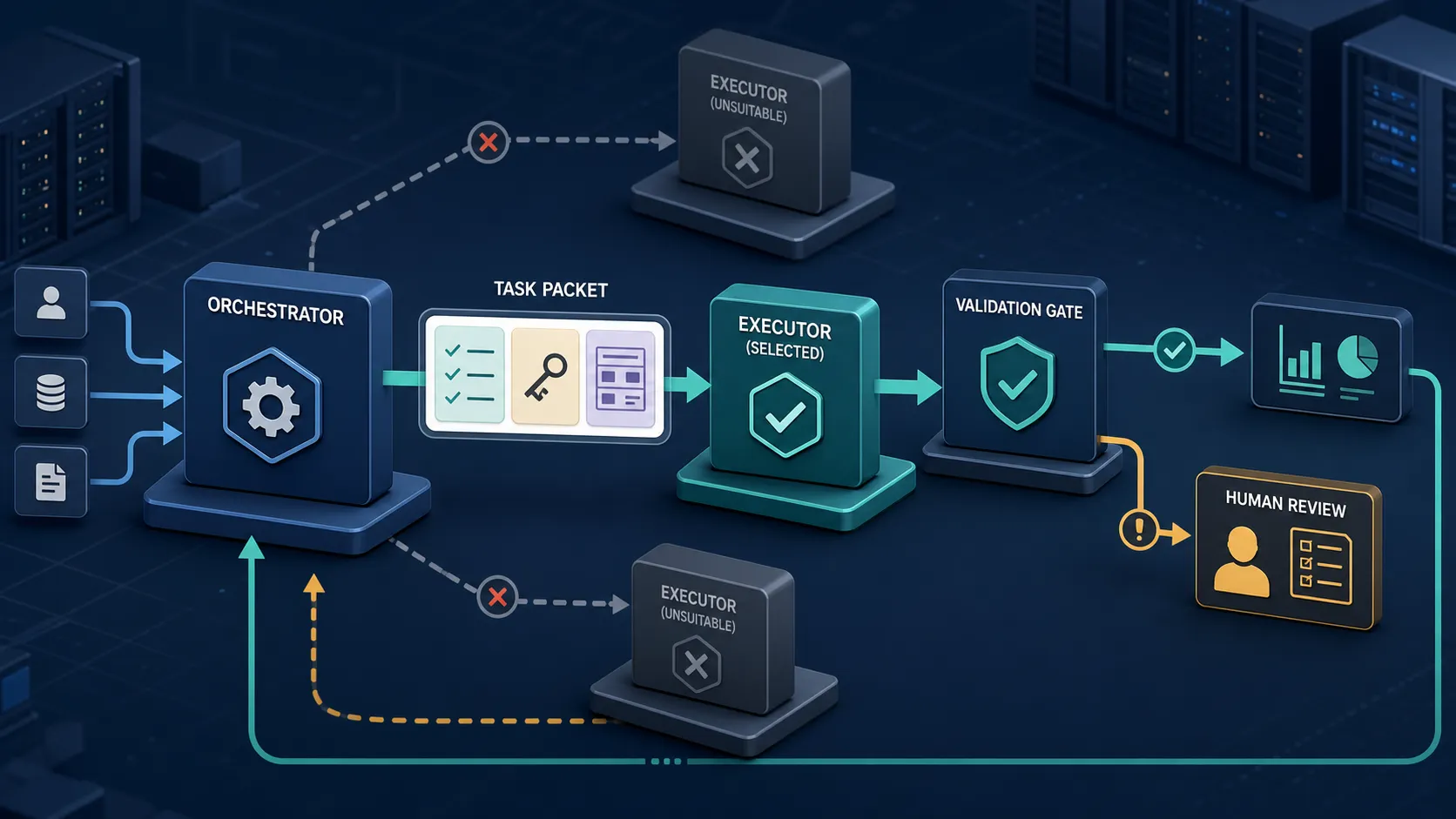
An execution harness creates another boundary around the model. TrueForge is presented as an open-source harness for running an LLM as an agent, reflecting the emergence of orchestration as a separate engineering unit. Conceptually, that layer is where teams can enforce iteration limits, tool policy, failure handling, and result capture, although implementations will differ.
Which production-control layers are emerging?
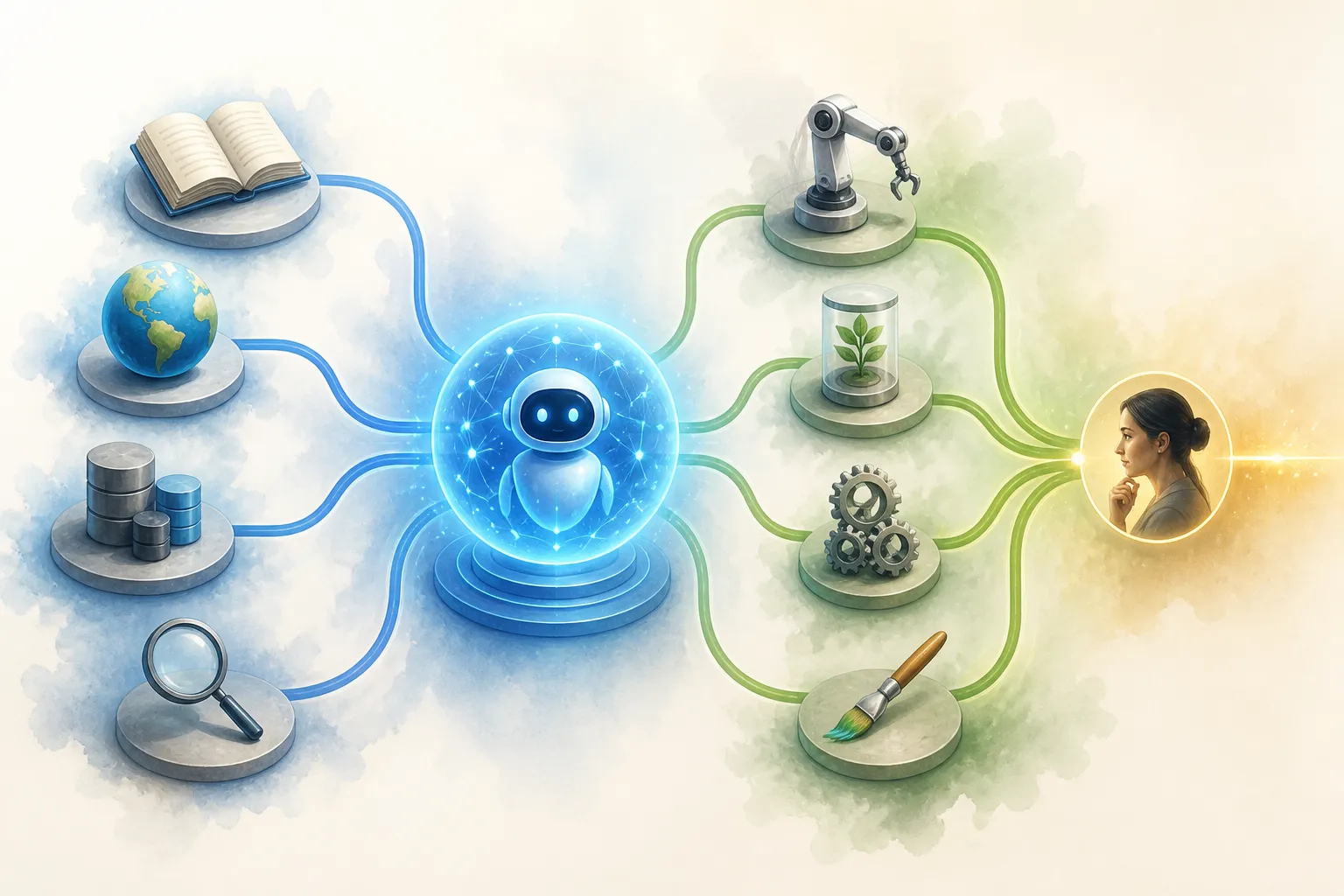
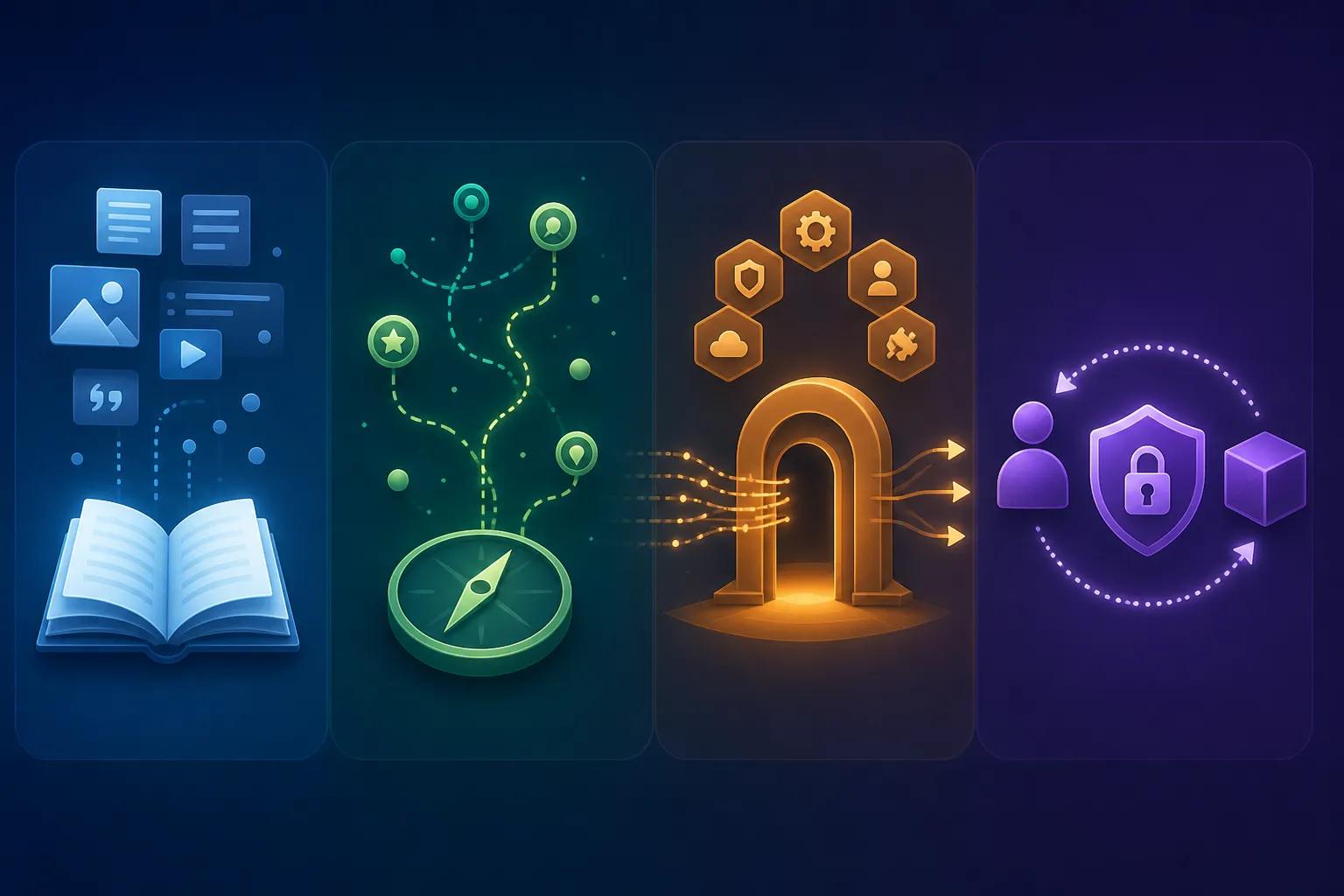
The current themes can be organized into four complementary layers. Each handles a different source of uncertainty while an agent attempts to complete a task.
| Layer | Purpose | Question it answers |
|---|---|---|
| Skills and context | Package instructions, procedures, and relevant knowledge | How should the agent perform this task? |
| Memory | Preserve useful state across steps or sessions | What should be retained, recalled, or deleted? |
| Tools and MCP | Connect the agent to external capabilities through defined interfaces | What may it call, and under whose authority? |
| Evaluation and runtime | Test behavior, orchestrate loops, and handle failure | How do we know it still works correctly? |
For skills, the guide to an AI SDLC and building agent skills frames skill creation as a lifecycle rather than one-off prompt writing. A separate discussion of agentic skill decay emphasizes continued repetition, reinforcing the need to monitor and refine skills over time.
For memory, the argument that agent memory should be a file format rather than a pipeline suggests a useful architectural property: state can become an explicit artifact. A stable format could make inspection, versioning, and portability easier than burying all memory logic inside a custom processing chain. The supplied evidence, however, does not establish which format or implementation will prevail.
What does MCP solve—and what remains outside it?
Model Context Protocol addresses the interface between agents and tools or context providers. A new MCP roadmap organized around five focus areas, alongside practical material on building, securing, and serving MCP servers, indicates that attention is expanding from basic connectivity toward infrastructure operations.
A protocol is not a complete governance system. Even when an MCP server standardizes tool discovery and invocation, the deploying team must still decide which identity receives access, how credentials are issued and revoked, which arguments require validation, what data may be returned, and which actions need an audit record.
This distinction matters for web systems. The protocol provides interoperability; the control plane enforces organizational policy. A similar separation appears in the design of a governed control plane for automation, where execution connectivity must be paired with permissions, policy, and oversight.
How should a web team run its first controlled trial?
A responsible trial should not begin by granting an agent broad production access. Select a narrow workflow whose output can be verified and whose effects are reversible, then add controls before expanding either autonomy or permissions.
- Write a task contract: define inputs, outputs, completion conditions, and prohibited actions.
- Separate skills from the root prompt: keep instructions and context files as versioned artifacts whose changes can be reviewed.
- Constrain the tool surface: expose only required operations, preferring read-only access and short-lived credentials where the infrastructure supports them.
- Capture execution traces: record tool calls, results, failures, and consequential decisions without leaking secrets.
- Build behavioral evaluations: test the final result and action sequence across successful cases, missing data, and tool failures.
Teams exploring collaborative execution can also examine how Nova MCP frames AI as a product-building team. Production decisions should nevertheless rest on trials using the organization’s own data boundaries, permissions, and realistic failure modes.
Conclusion
- A prompt is only one agent component; production requires runtime, permission, memory, and evaluation controls.
- Skills and context should be managed as versioned artifacts rather than disposable text.
- MCP can standardize connections, but it does not replace authentication, access policy, or auditing.
- Begin with a narrow, reversible workflow before allowing production-side actions.
Related reading
- Ventura React: Is this lightweight component library still fit for new projects?
- Nova MCP turns Cursor and Claude into a product-building team
- Ansible Automation Orchestrator: Designing a Governed Control Plane
Sources
- Agent Behavior - AI 에이전트의 반복 행동을 문서화해 평가 기준으로 삼는 표준
- Claude로 커머스 에이전트 구축하기
- 에이전틱 스킬 감쇠 : 숙련은 여전히 반복에서 나온다
- 에이전트 메모리는 파이프라인이 아니라 파일 형식이어야 한다
- TrueForge - LLM을 실제 에이전트로 실행하는 오픈소스 하네스
- Learn the AI SDLC – The Complete Guide to Building Agent Skills
- MCP in practice: building, securing, and serving Model Context Protocol servers
- 새로운 MCP 로드맵 - 앞으로 집중할 5가지 영역
Why developers should care
A strong prompt cannot guarantee consistent behavior or safe tool access. Teams deploying agents need explicit data contracts, permissions, evaluations, and observable execution paths.
Recommended action
- 1Choose one read-only web workflow, define its task contract and behavioral evaluation suite, then trial MCP with tightly scoped credentials before considering production deployment.