Putting AI into messaging, desktop, and calendar workflows requires more than a model call. Teams need tool contracts, parameter validation, state management, and UI handoffs that let users inspect consequential work.
Preparing localized stories and source details.
Search verified, published content only.
91 results

Putting AI into messaging, desktop, and calendar workflows requires more than a model call. Teams need tool contracts, parameter validation, state management, and UI handoffs that let users inspect consequential work.


AI integrations in Messages and desktop apps can make assistance more contextual, but they also expand access to sensitive data and actions. Teams should hold back broad automation until consent, review, revocation, and recovery are concrete product capabilities.

AI assistants are being placed in Fire TV, Search, Mac, and Messages, making the distribution surface part of the product itself. The practical opportunity is not another generic chat destination but a useful intervention inside a repeated behavior.

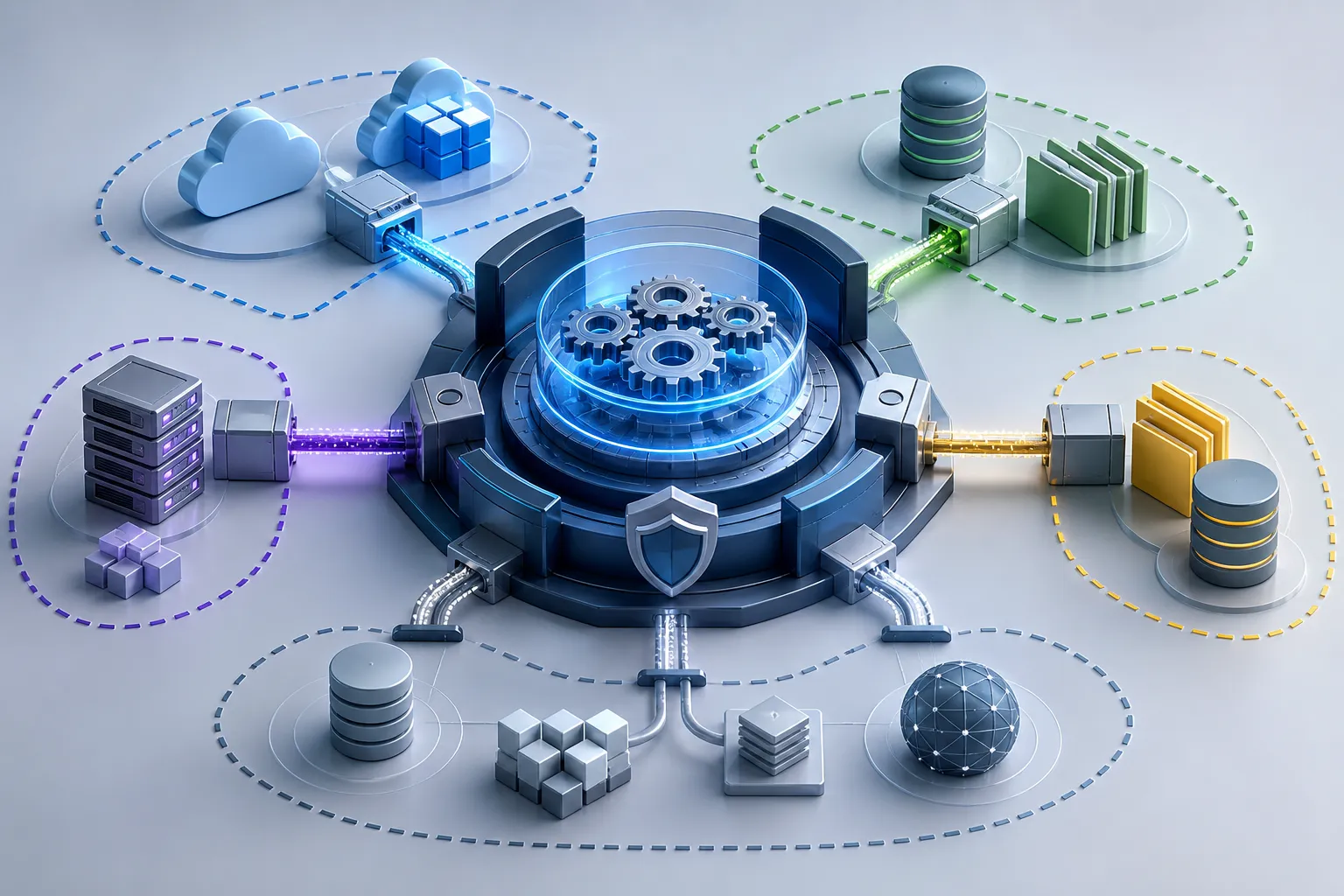
ChatGPT, Meta AI, Alexa+, and Gemini are spreading through different surfaces, from Messages and Mac to TV and Search. Rather than assuming one assistant will own the experience, teams should build adaptable task and data layers.

Personal repositories can hold work-related code and secrets outside organizational controls. The risk is not solved by assuming every personal repo is harmless or equally dangerous.

Reported malicious arrayref releases executed a backdoor during compilation. For Rust teams, dependency security must cover what build tooling executes, not only production runtime code.

Editor extensions auto-update and run with developer privileges, yet they often fall outside software inventory. The Markdown Preview Enhanced research shows why they belong in supply-chain security governance.

The keyv/cacheable investigation is a reminder that a compromised npm dependency can spread through transitive resolution, not just direct imports. Teams need to scope exposure from build evidence and deployed artifacts.

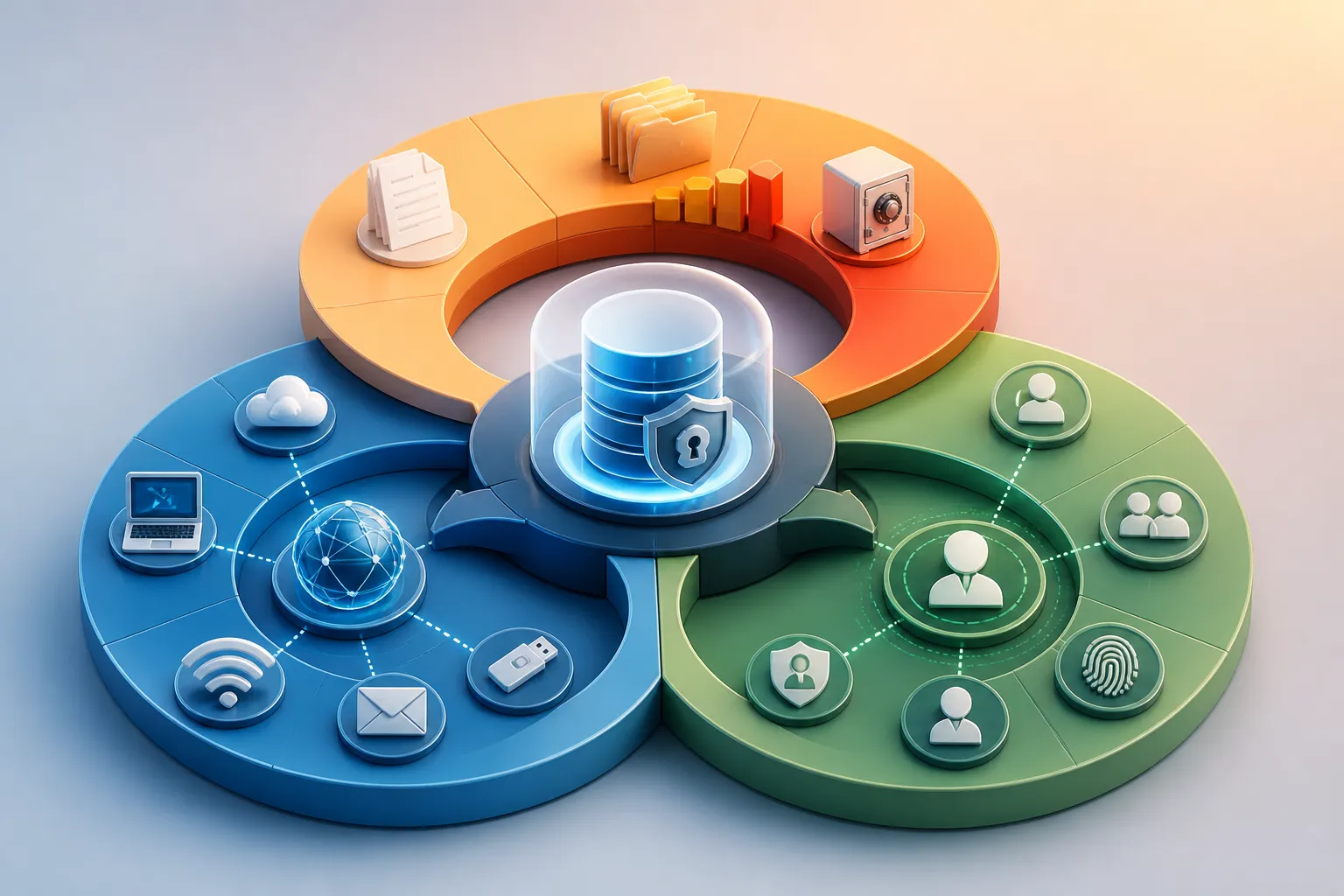
Wiz argues that AI changes the context around data risk: organizations need to understand what data is connected, exposed, and why. That understanding is a prerequisite for trustworthy agents, response, and remediation.

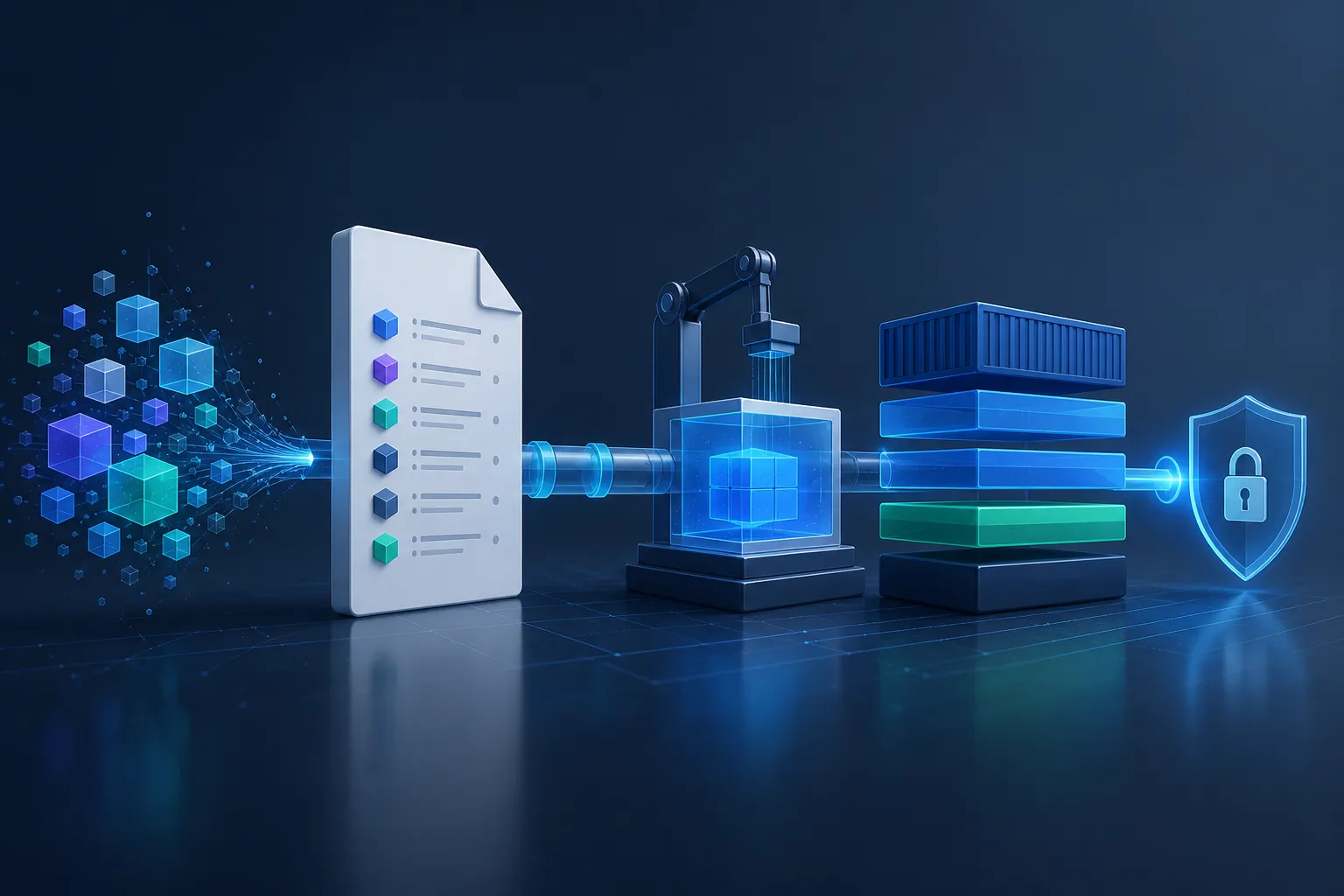
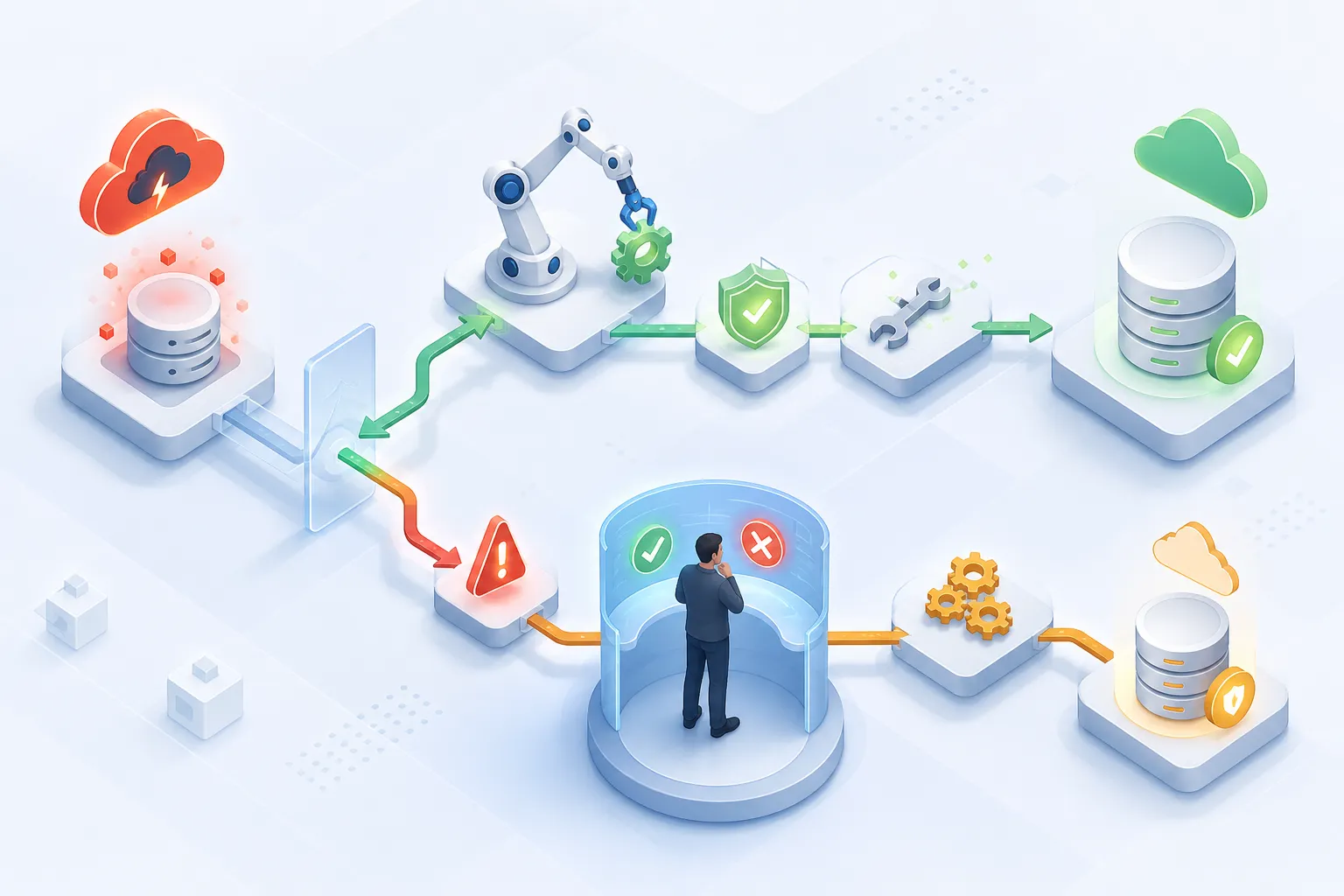
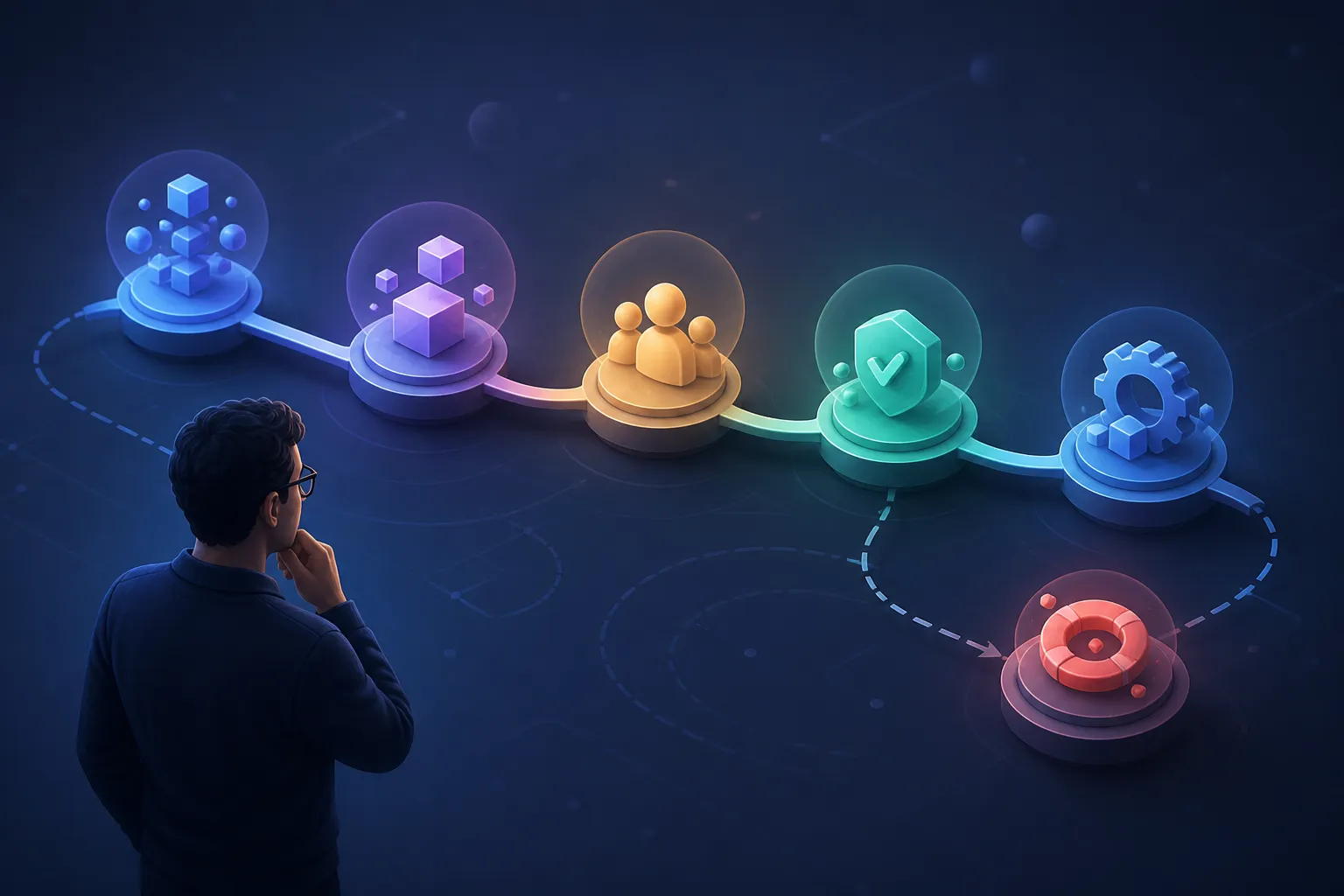
Wiz says Wiz Workflows is generally available and Remediation and Response is in public preview. The direction moves security beyond isolated alerts toward detection, decision, execution, and verification.

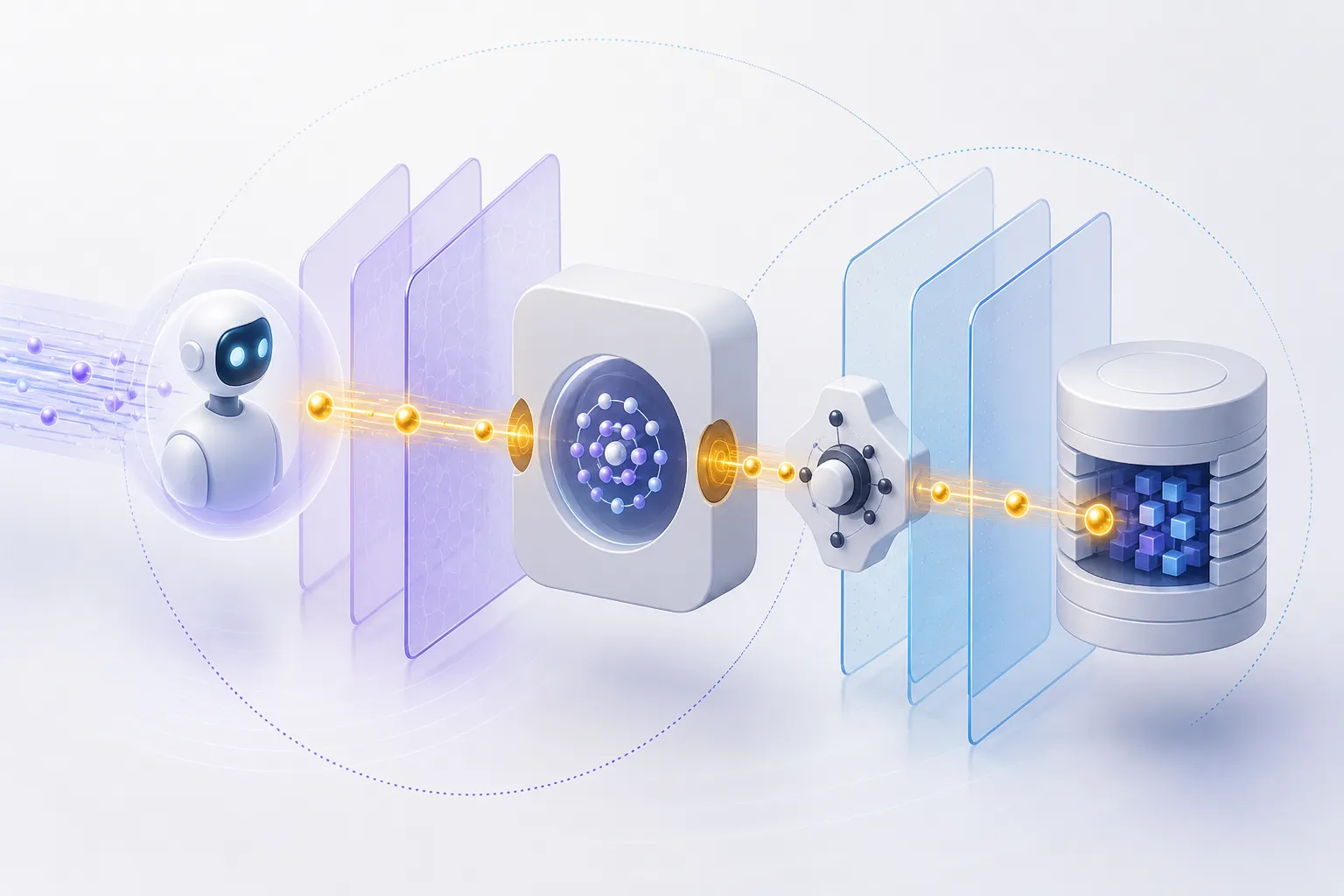
AgentCore Gateway supports OAuth 2.0, IAM, and API keys, yet enterprises may still depend on HTTP Basic Authentication. AWS describes a request Lambda interceptor as an extension point for custom and legacy tool authentication.

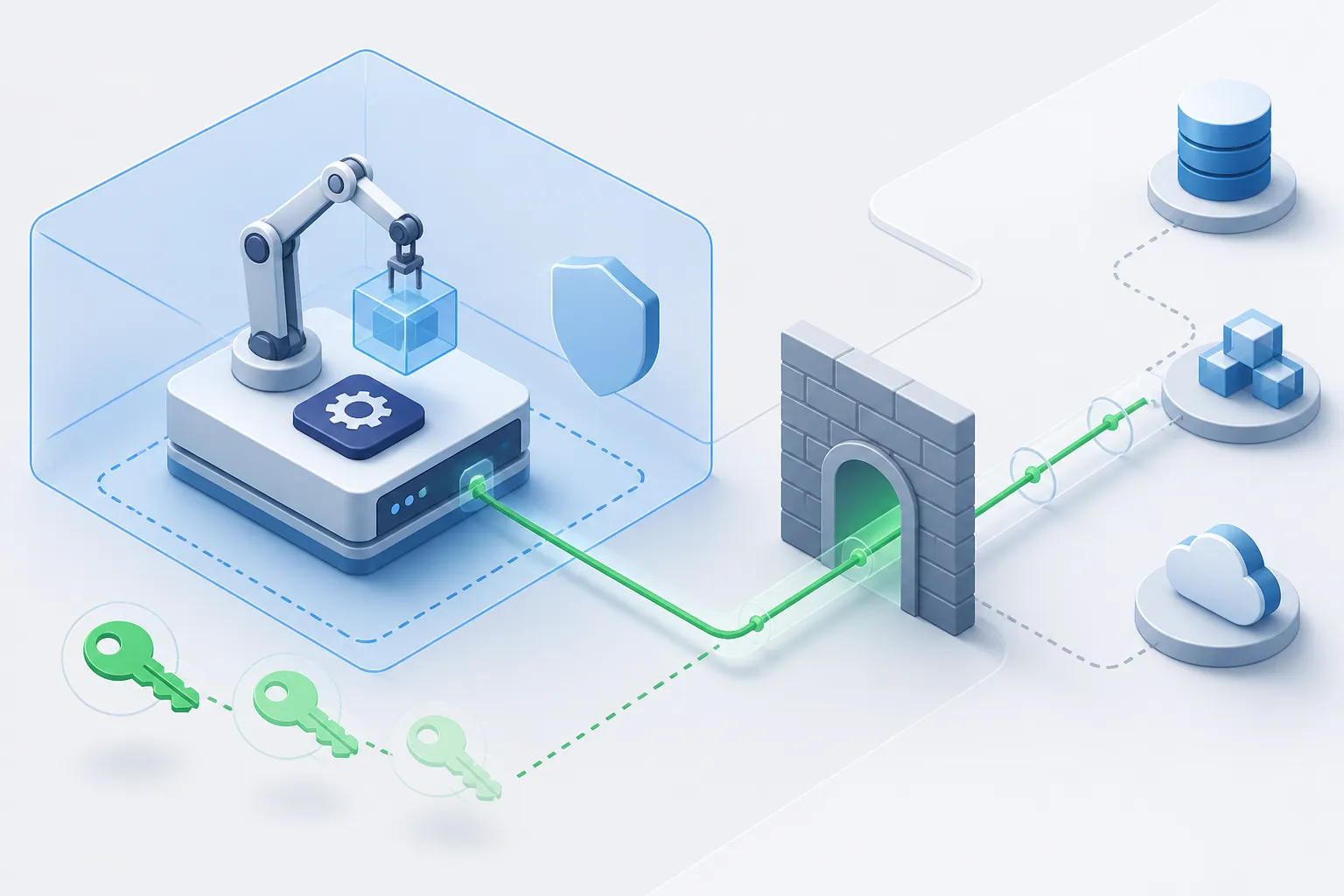
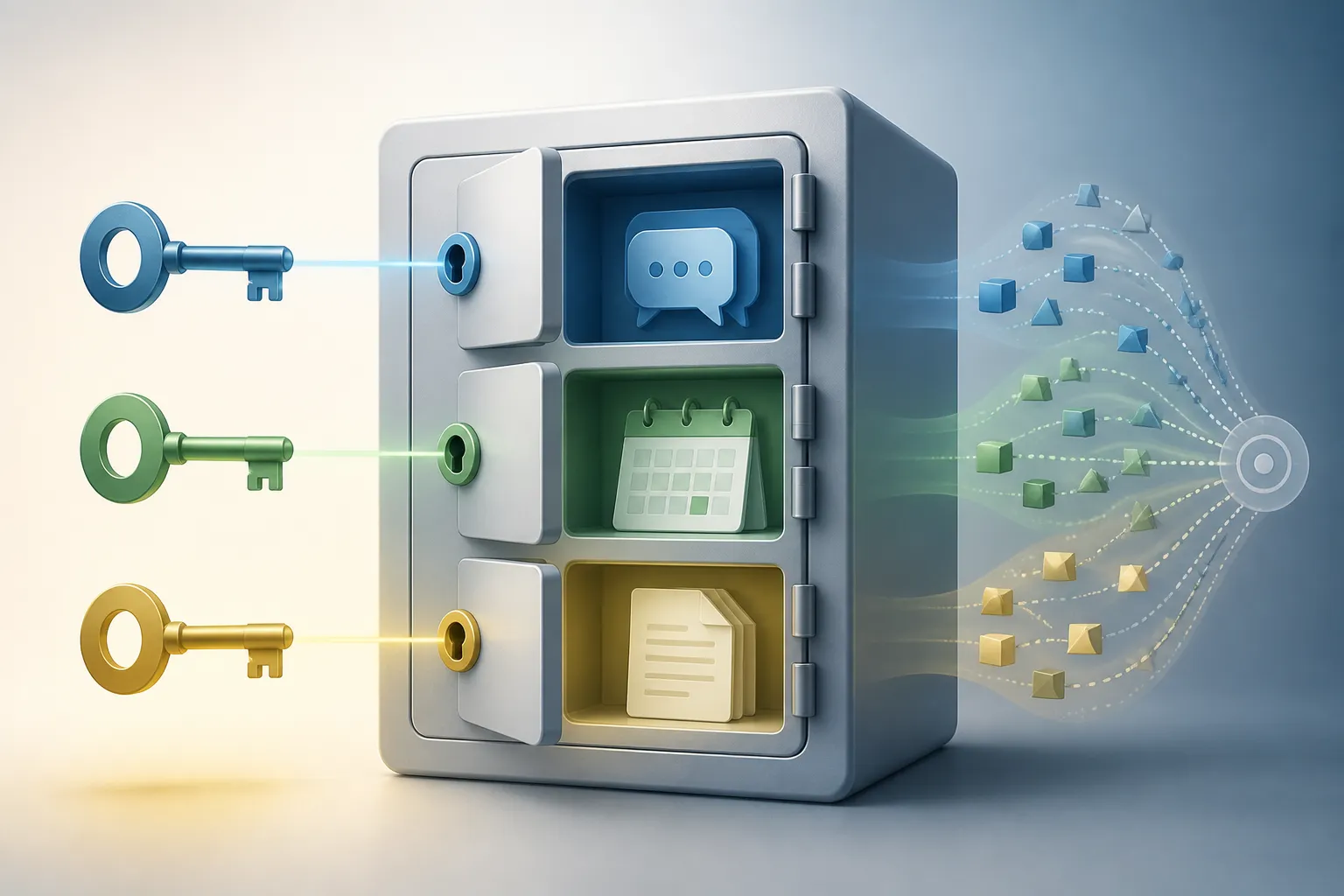
An AI agent that accesses enterprise data should not act only through a shared service identity. AWS describes propagating user authorization context so an agent returns data according to the requester’s permissions.