WebGPU, TSL, and Three.js experiments show web 3D moving toward dynamic rendering experiences. For product teams, the value lies in controlling scope, quality, and fallback—not in adding effects by default.

Preparing localized stories and source details.
Modern frameworks, browsers, runtimes, and web standards.

WebGPU, TSL, and Three.js experiments show web 3D moving toward dynamic rendering experiences. For product teams, the value lies in controlling scope, quality, and fallback—not in adding effects by default.


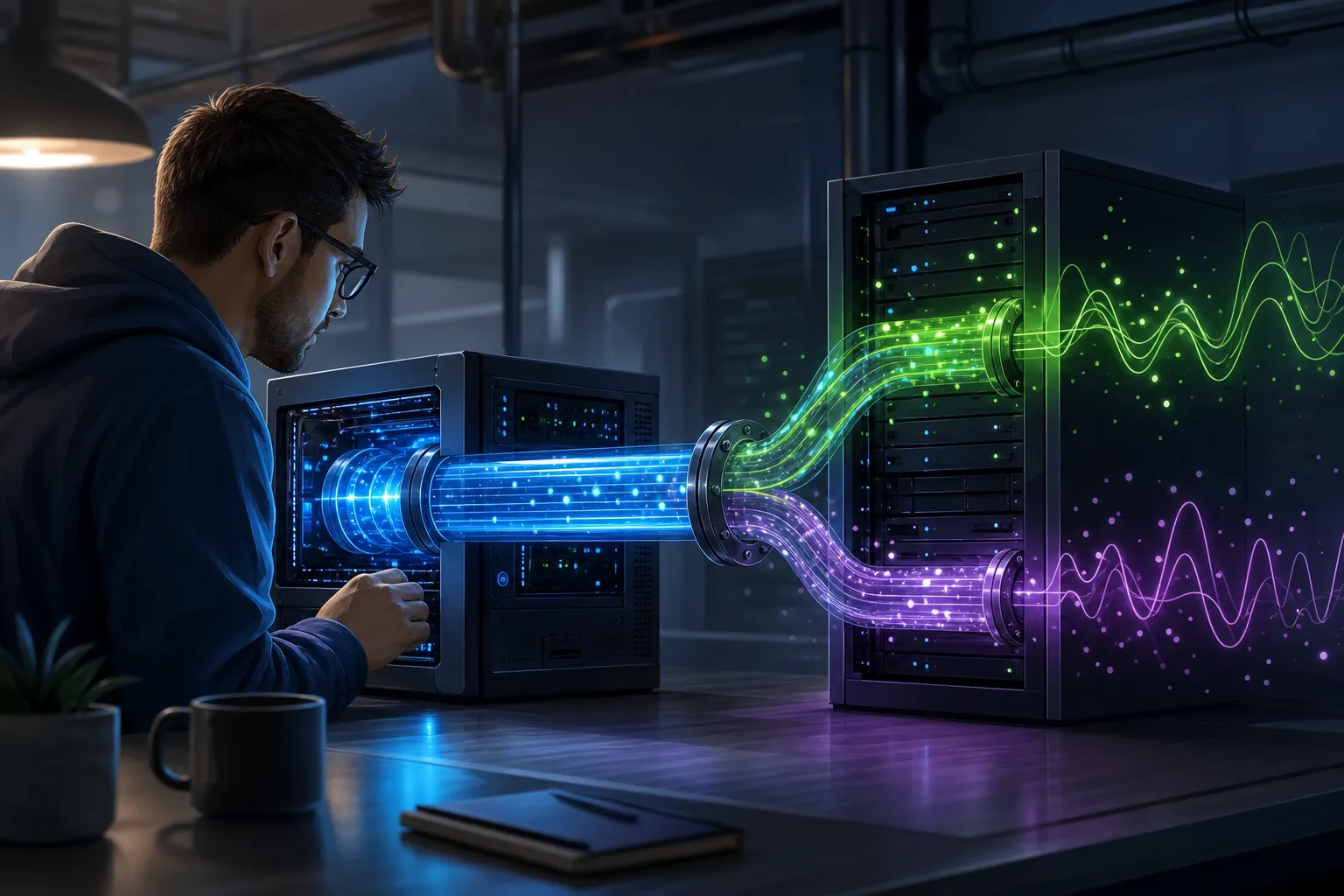
For high-frequency streams, the bottleneck is often the path from incoming data to pixels—not merely React render count. Ring buffers and OffscreenCanvas point to a split between data handling, UI coordination, and rendering.

Procedural geometry enables changing 3D experiences without relying only on fixed assets. With Three.js and WebGPU, though, shape count, detail, and interaction cadence must become explicit rendering budgets.

An MCP server can pass unit tests yet fail to respond when a host launches it over stdio. The lesson is to test process and stream boundaries as an integration contract, not just tool logic.

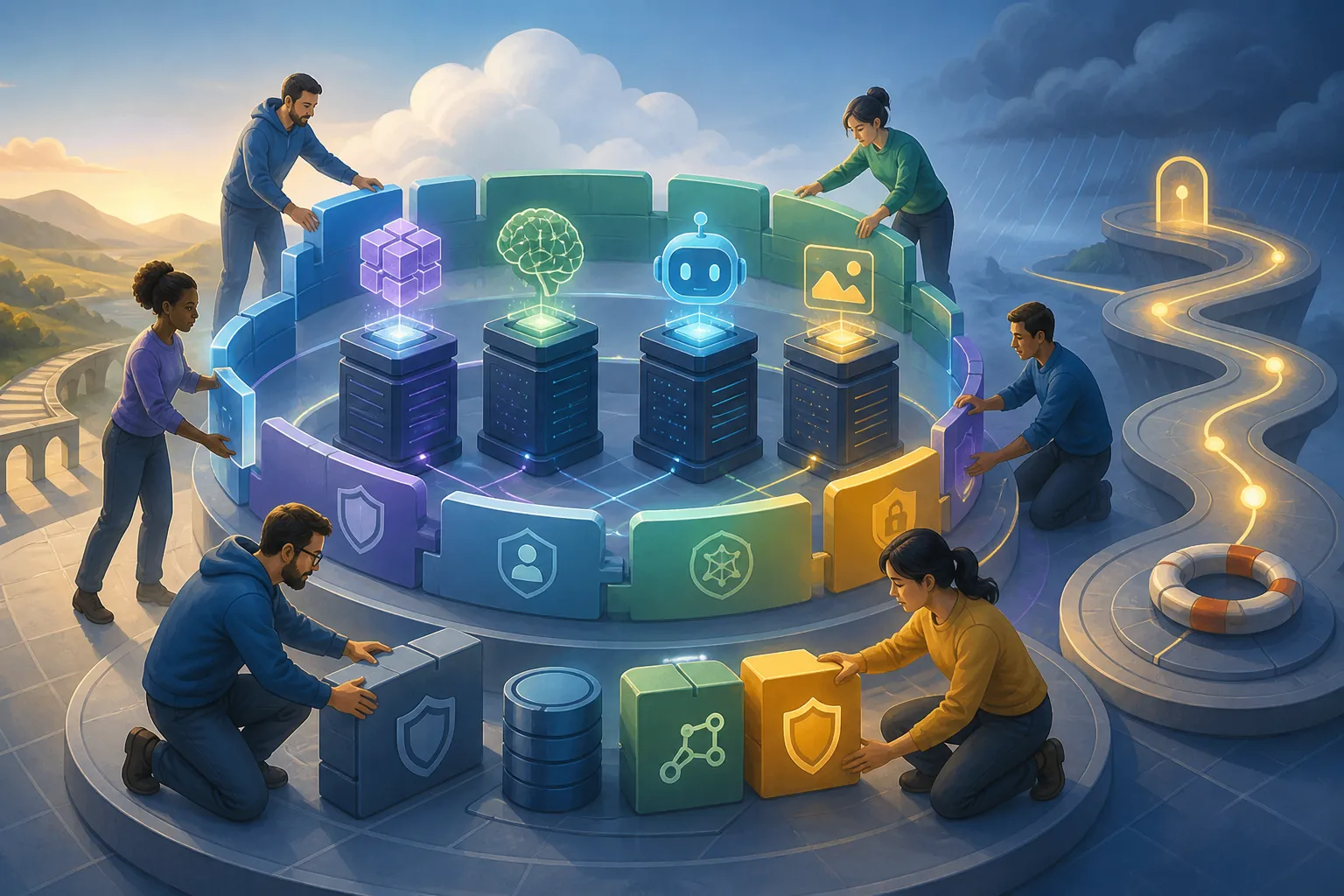
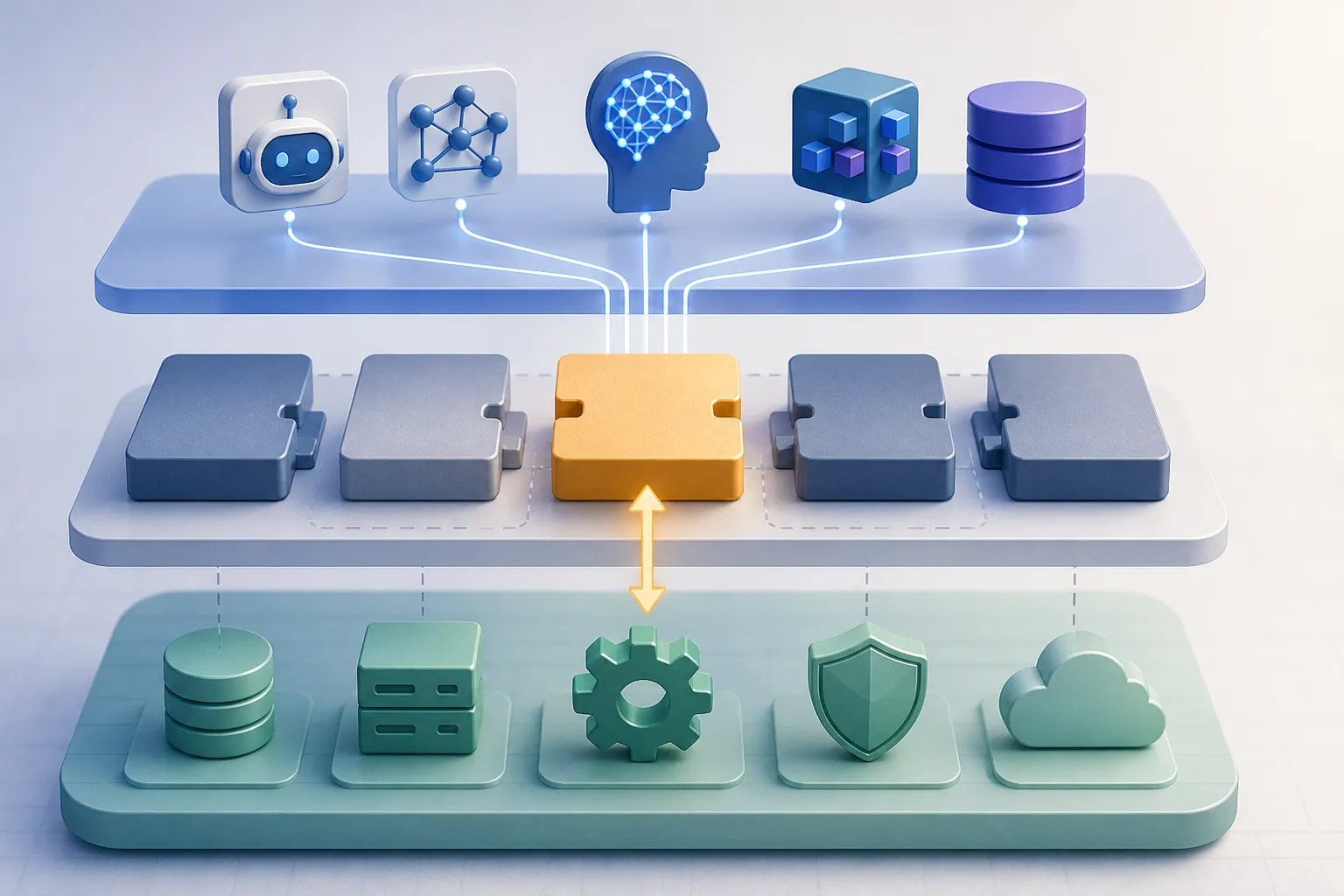
As MCP reaches real use, defining a tool is only the starting point. A server needs a clear contract, authorization boundaries, operational behavior, and accountable ownership.

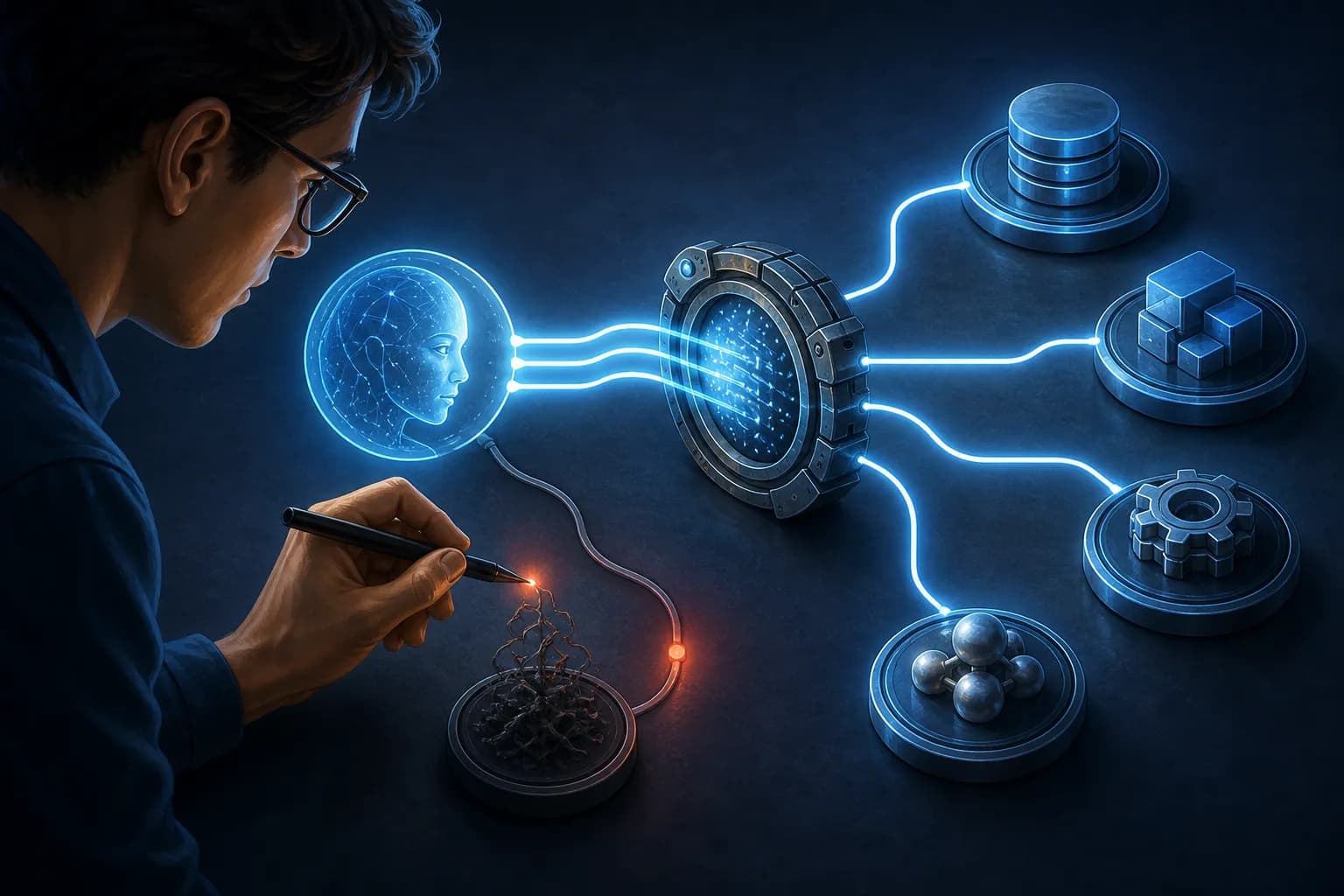
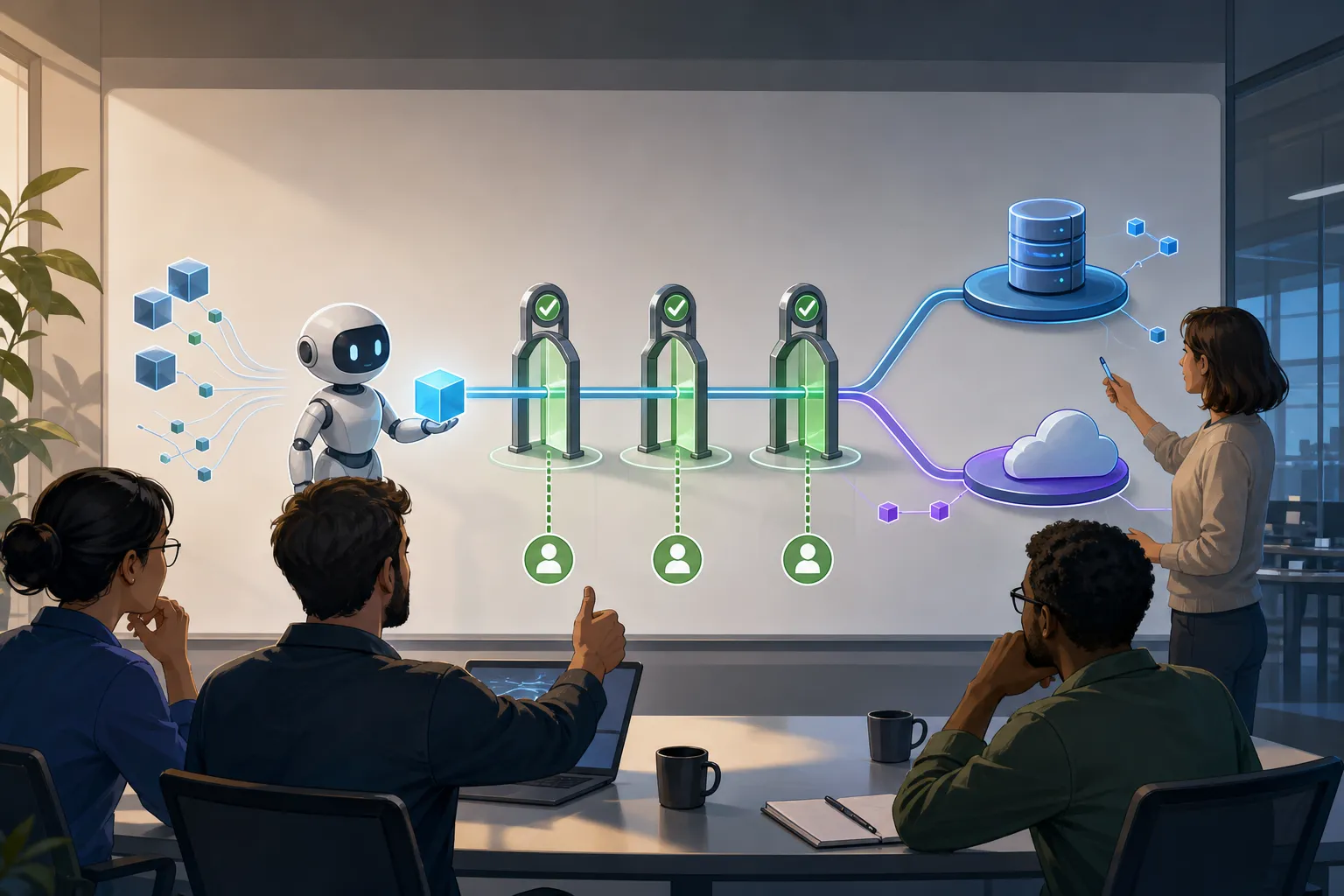
MCP creates a new connection surface between AI agents and internal tools. Cloudflare’s protocol-level detection signal suggests that effective governance starts with inventory, then moves to approved paths and enforcement.

Recent MCP signals span traffic detection, server security, stdio failures, and roadmap discussion. Together, they point to a changed success criterion: operating a system matters more than merely connecting a tool.

Discussion of five MCP roadmap focus areas suggests an ecosystem working on platform concerns. For engineering teams, its value is not feature prediction but identifying assumptions that must remain flexible.

Agent apps and Copilot experiences in Slack and Teams suggest that AI is moving to the places where software work is assigned, reviewed, and coordinated. The benefit depends on keeping clear human control points.

Cloudflare argues that agents are a new kind of visitor: they do not render CSS or click ads, but they can represent a human with transaction intent. That creates new technical and business questions for the web.

Vercel's v0 API and Agent Plugins announcements point to an important product model: agent capability can be invoked from other systems rather than confined to one interface. For product teams, integration contracts and output evaluation become central.

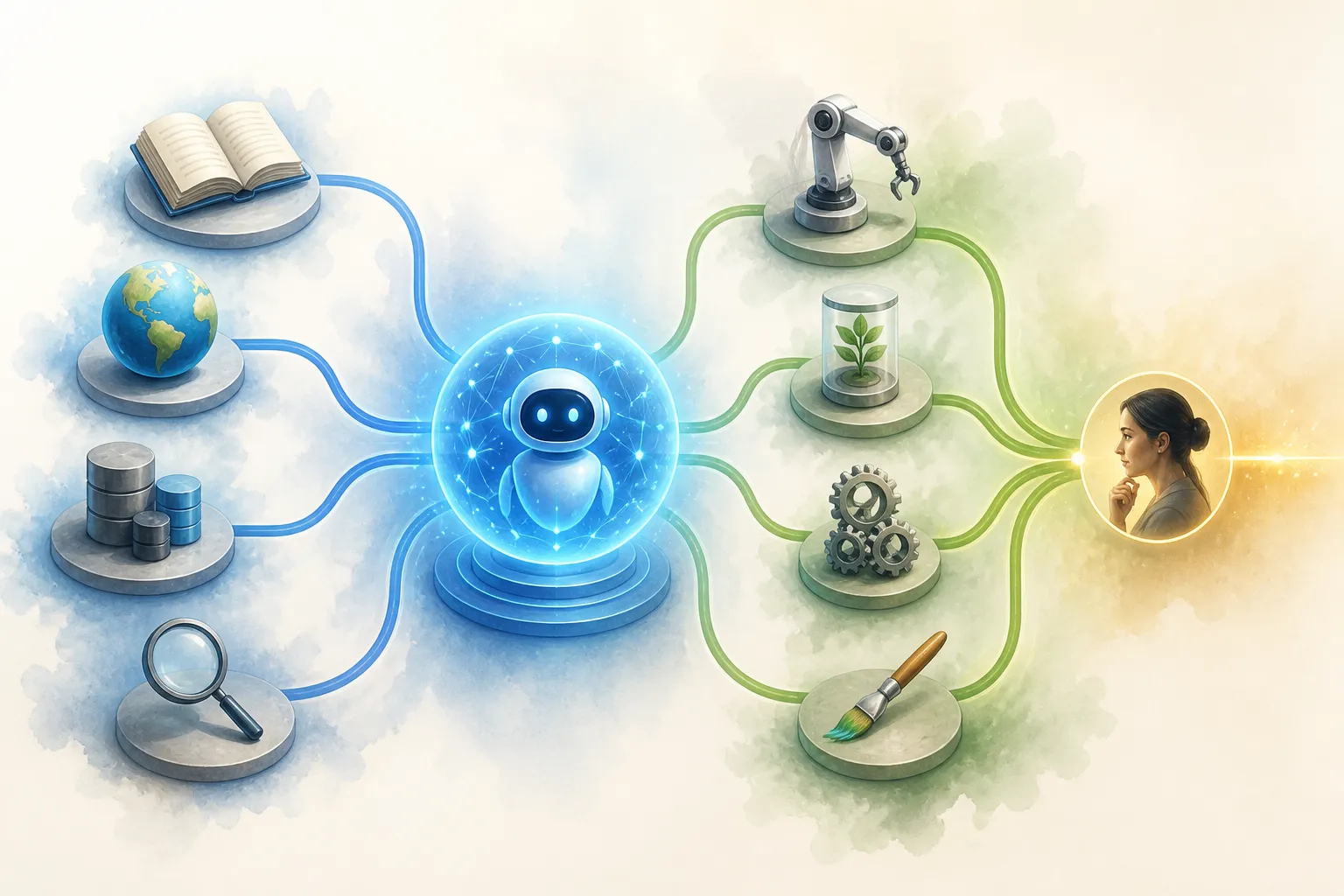
Cloudflare is packaging two difficult parts of agent applications: tool connectivity through MCP and search over private data through AI Search. That reduces integration work, not the responsibility for data and access control.