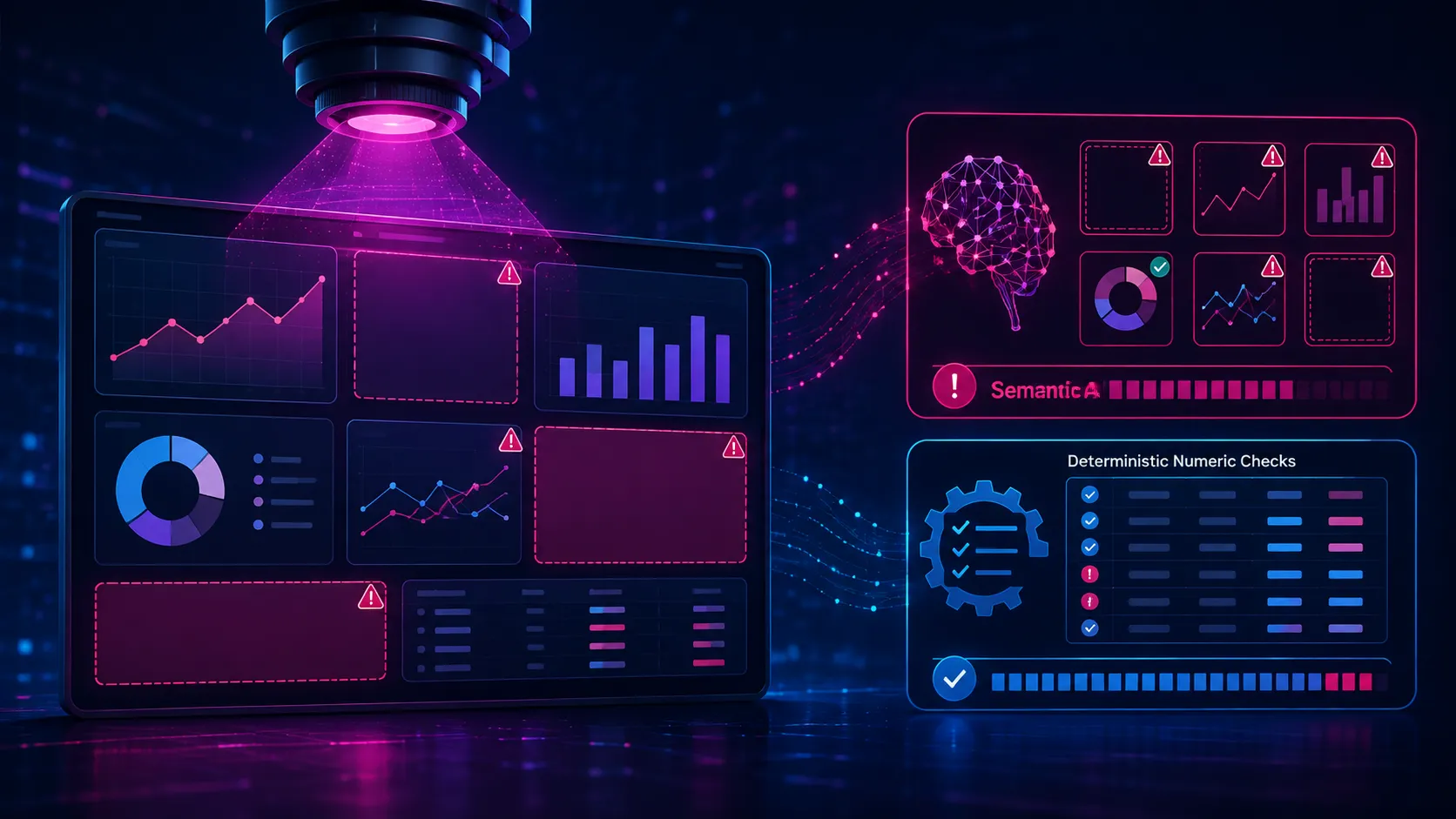
AWS built presentation-layer validation that scans dashboard visuals and numbers, reducing detection time from as much as 72 hours to under one hour.

Preparing localized stories and source details.
Machine learning models, tools, and techniques for developers.

AWS built presentation-layer validation that scans dashboard visuals and numbers, reducing detection time from as much as 72 hours to under one hour.


An AWS architecture turns training video into SOPs, uses RAG for ticket guidance, and applies ML to predict SLA risk in one operating system.

AWS says Australian teams can access OpenAI GPT-5.6 Sol, Terra, and Luna through Amazon Bedrock from the Sydney and Melbourne Regions using global cross-Region inference. Its guidance also covers prompt caching, OIDC-based Codex authentication, and CloudWatch monitoring, connecting model access to the controls needed for production.

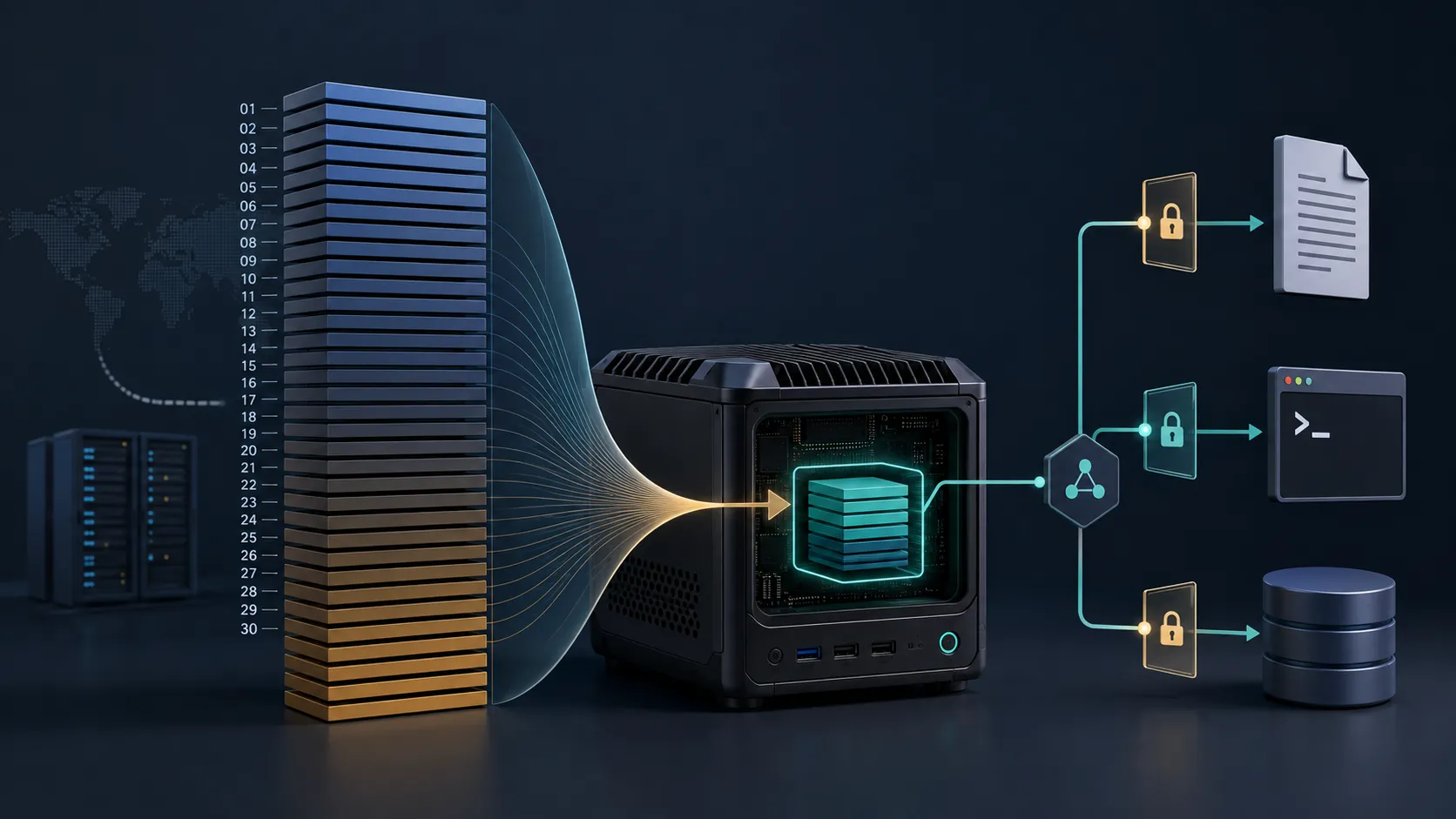
Meta has introduced Muse Glimmer, a 30-billion-parameter open-weight model distilled from Muse Spark for on-device agentic workflows. The announcement establishes its direction, but not yet its hardware requirements, measured performance, licensing details, or production readiness.

Databricks highlights AI_Functions use cases in the data warehouse, while AWS presents a no-code workflow for prediction and BI. Both bring AI closer to governed data, but warehouse AI tasks and predictive-model lifecycles should not be conflated.

AWS's no-code workflow reduces code in preparation and training, but data, labels, and deployment decisions still require control. The productive framing is to treat visual tooling as an auditable operating layer.

AWS outlines a no-code workflow that carries Snowflake data through visual preparation, model training, and stakeholder dashboards. It is a practical pilot pattern for teams trying to shorten the path from operational data to decisions.

Databricks puts sub-second Feature Store freshness at the center of feature serving. The reminder for teams is that a low-code workflow only helps when inference features still match operational reality.

AWS combines SageMaker Canvas predictions with Quick Sight dashboards, natural-language questions, and AI-generated executive summaries. The opportunity is narrowing the gap between model output and the people who need to use it—not replacing analysis.

Databricks discusses designing effective Genie Agents from a single prompt, but a prompt should be the starting point for a system with explicit scope, tools, and evaluation. The developer challenge is turning natural-language intent into controllable operational behavior.

AWS’s ADOP reference architecture uses specialized agents on Amazon Bedrock across the Bronze-to-Silver-to-Gold lifecycle. Its more consequential idea is not code generation, but automation with governance and compliance embedded in the flow.

Databricks is framing complex document extraction as a Document Intelligence problem. For enterprises, that creates a controlled way to connect unstructured documents to workflows before granting agents consequential actions.