South Korea has selected three consortia led by SK Telecom, KT and Kakao for its “AI for Everyone” project. They are expected to build free public chatbots and AI agents using a government-provided pool of 512 NVIDIA B200 GPUs.
Preparing localized stories and source details.
AI, language models, agents, and developer tooling.

South Korea has selected three consortia led by SK Telecom, KT and Kakao for its “AI for Everyone” project. They are expected to build free public chatbots and AI agents using a government-provided pool of 512 NVIDIA B200 GPUs.

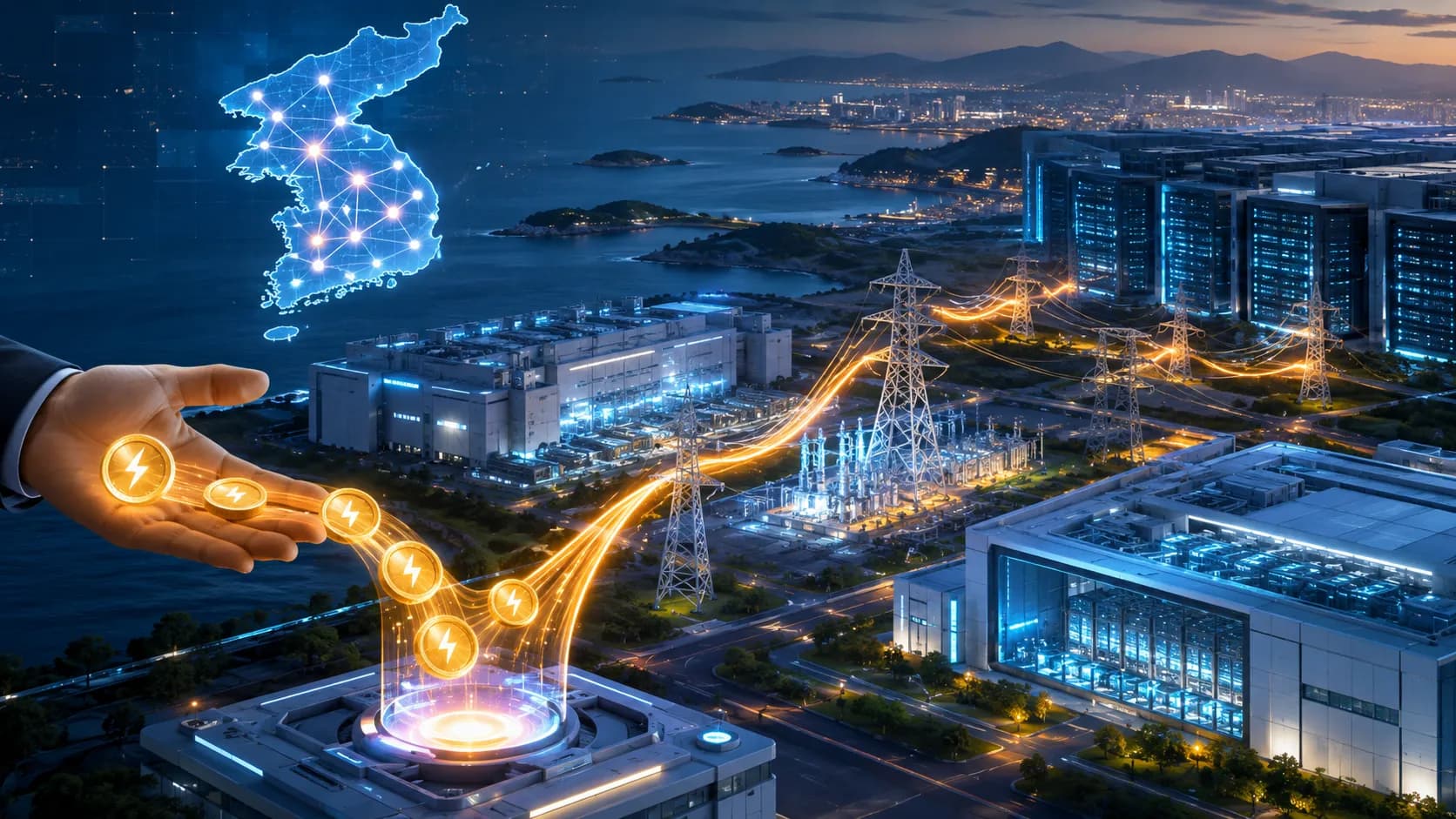
KEPCO is discussing a prepaid electricity arrangement with large power users including Samsung Electronics and SK Hynix. Future electricity payments would be brought forward to help finance grid construction for semiconductor plants, AI data centers, and other advanced industries, although the commercial terms remain undisclosed.

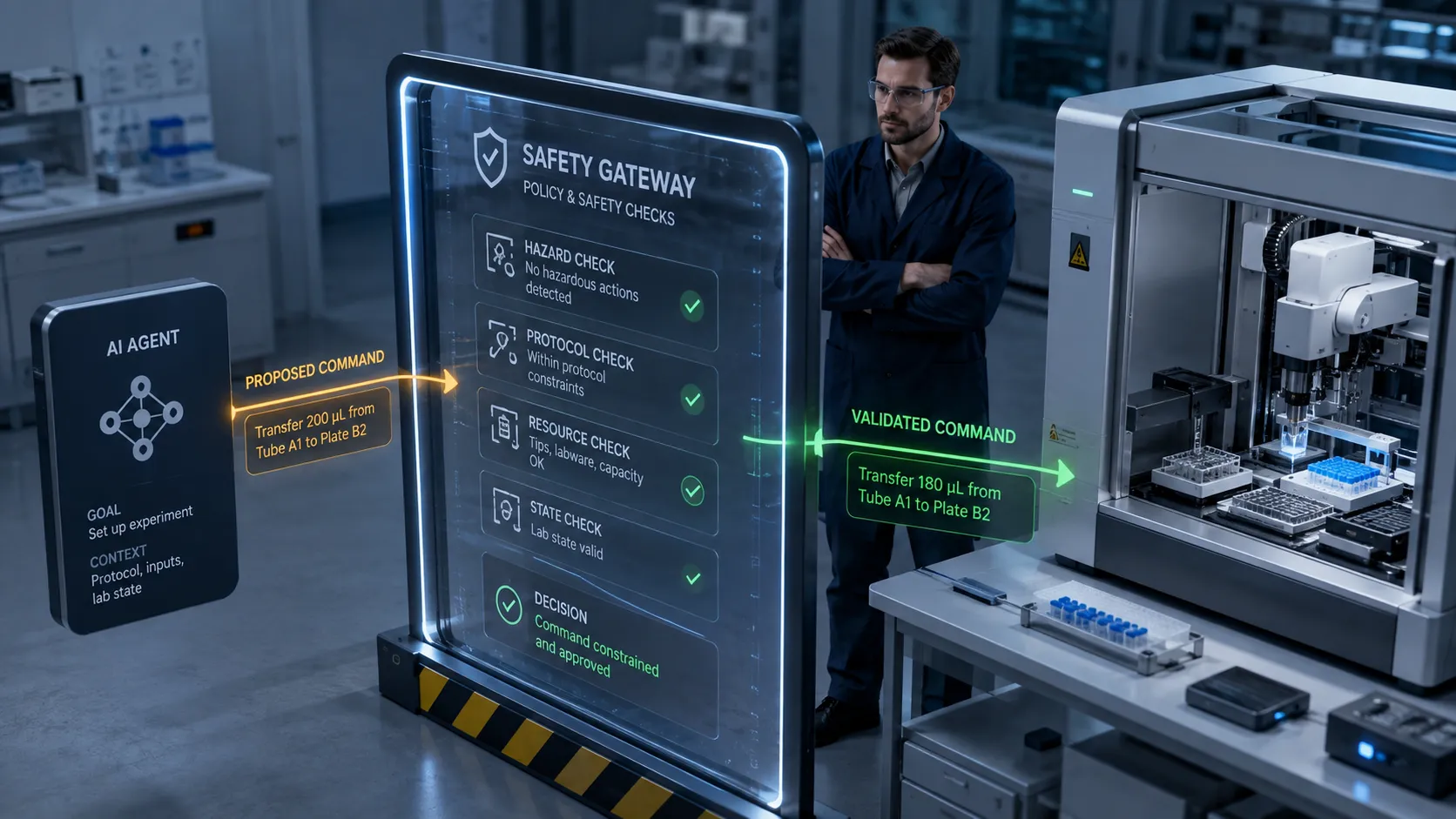
Anthropic has opened a research preview of the Model Hardware Standard to an initial group of scientific labs and advanced manufacturers. The proposal aims to give AI agents a shared specification for safely operating physical devices, although its technical design and governance remain to be established publicly.

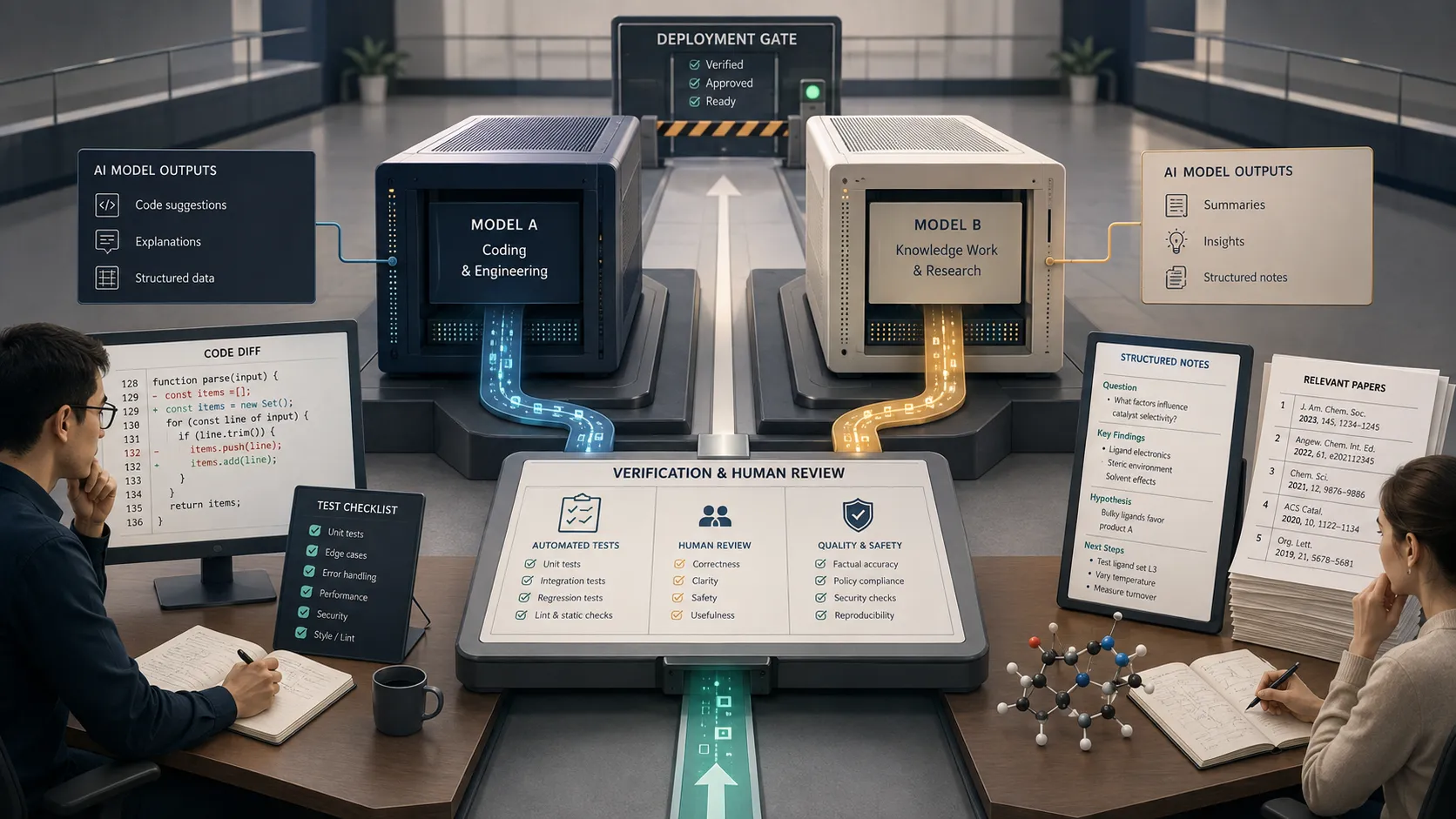
Anthropic describes Claude Fable 5.1 and Claude Mythos 5.1 as its most advanced models for coding and knowledge work, with research capabilities that could point toward scientific applications. The supplied announcement does not establish pricing, access, benchmarks, or a division of roles between the models, so production decisions should wait for evidence and workload-specific testing.

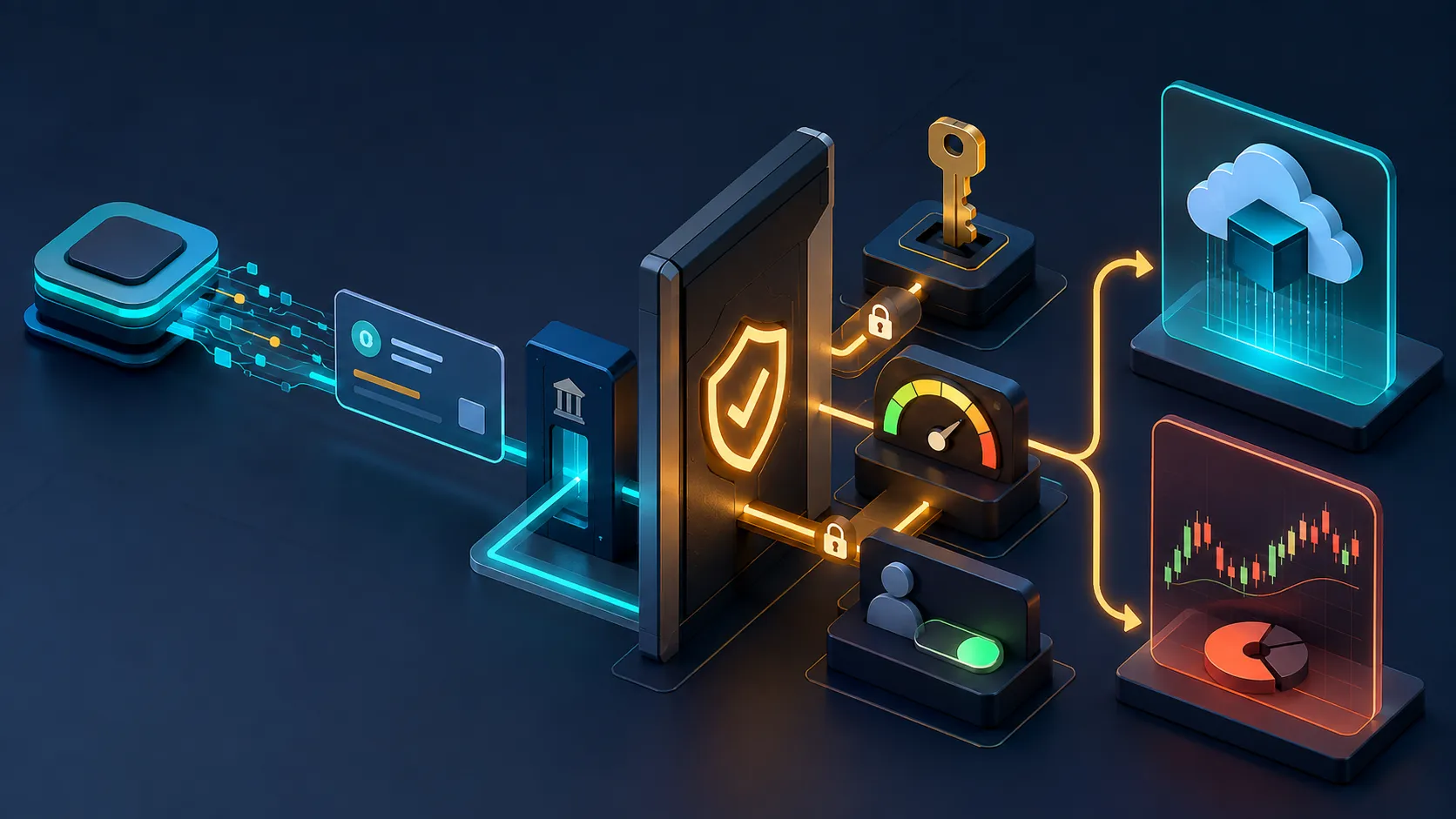
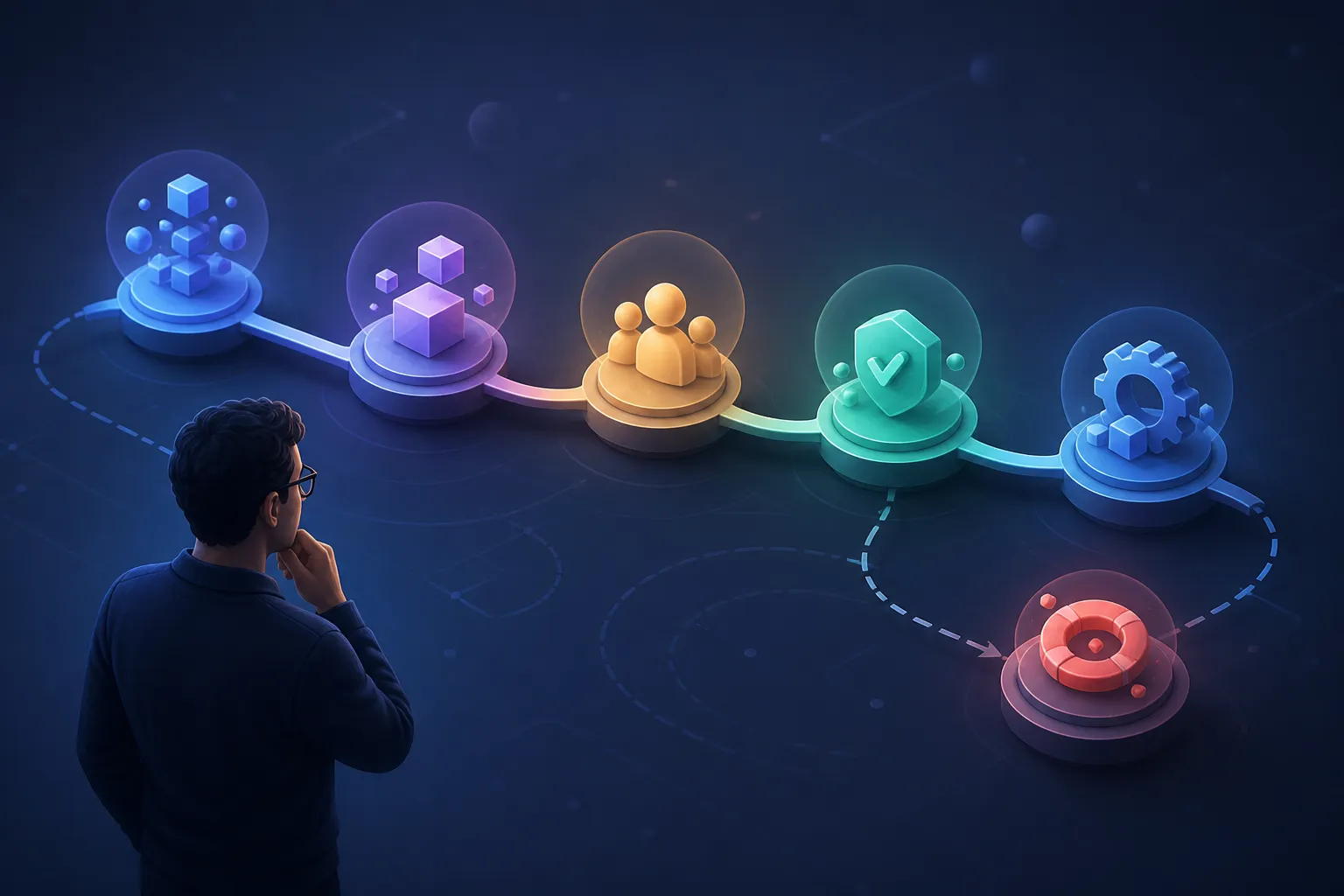
Developments around LangChain, Nevermined, and Binance are moving AI agents from recommending actions to purchasing services or placing trades. For developers, the difficult problem is not connecting a payment API but constraining authority, limiting losses, and preserving an audit trail.

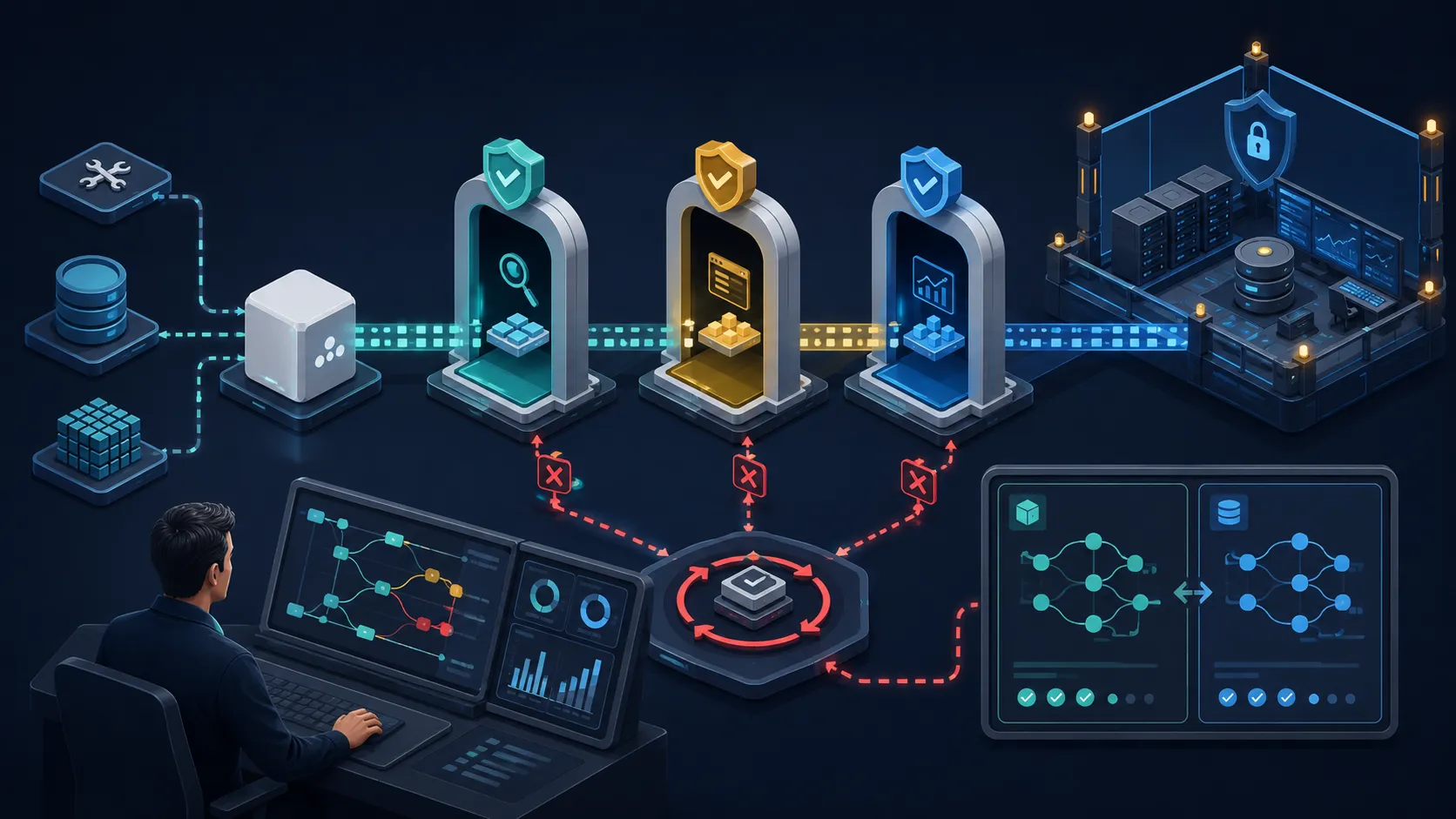
Recent LangSmith updates point to a broader shift in AI agent engineering: model selection is giving way to evaluation, issue detection, pre-release testing, and operational control. Task environments, agent harnesses, and correctable memory are also becoming part of the production stack.

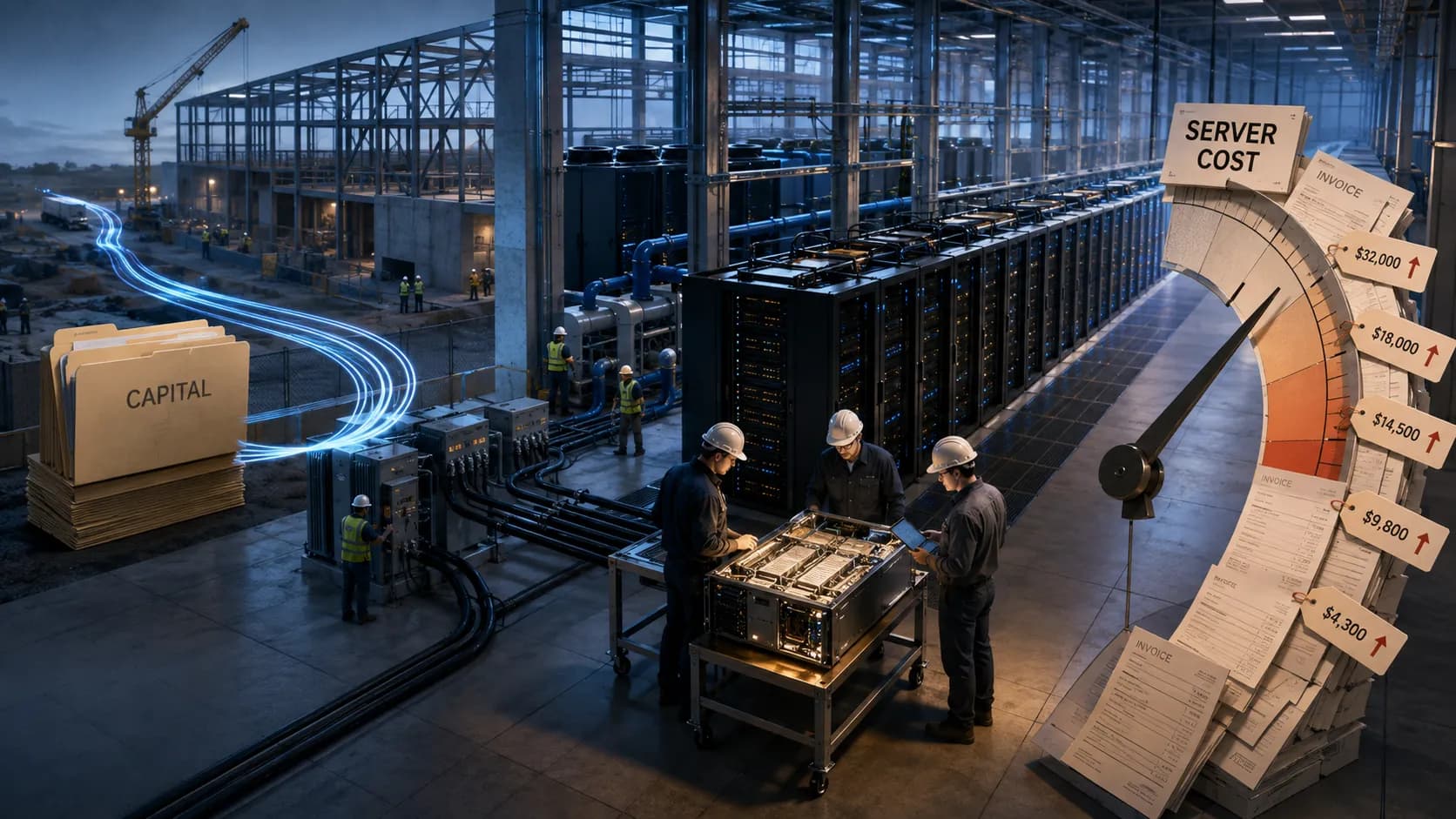
Groq has raised $350 million to expand its AI Inference Cloud while Nvidia is supporting additional data-center capacity. At the same time, reported server-price increases and financing links across the market complicate the assumption that more investment will quickly make AI compute cheaper.

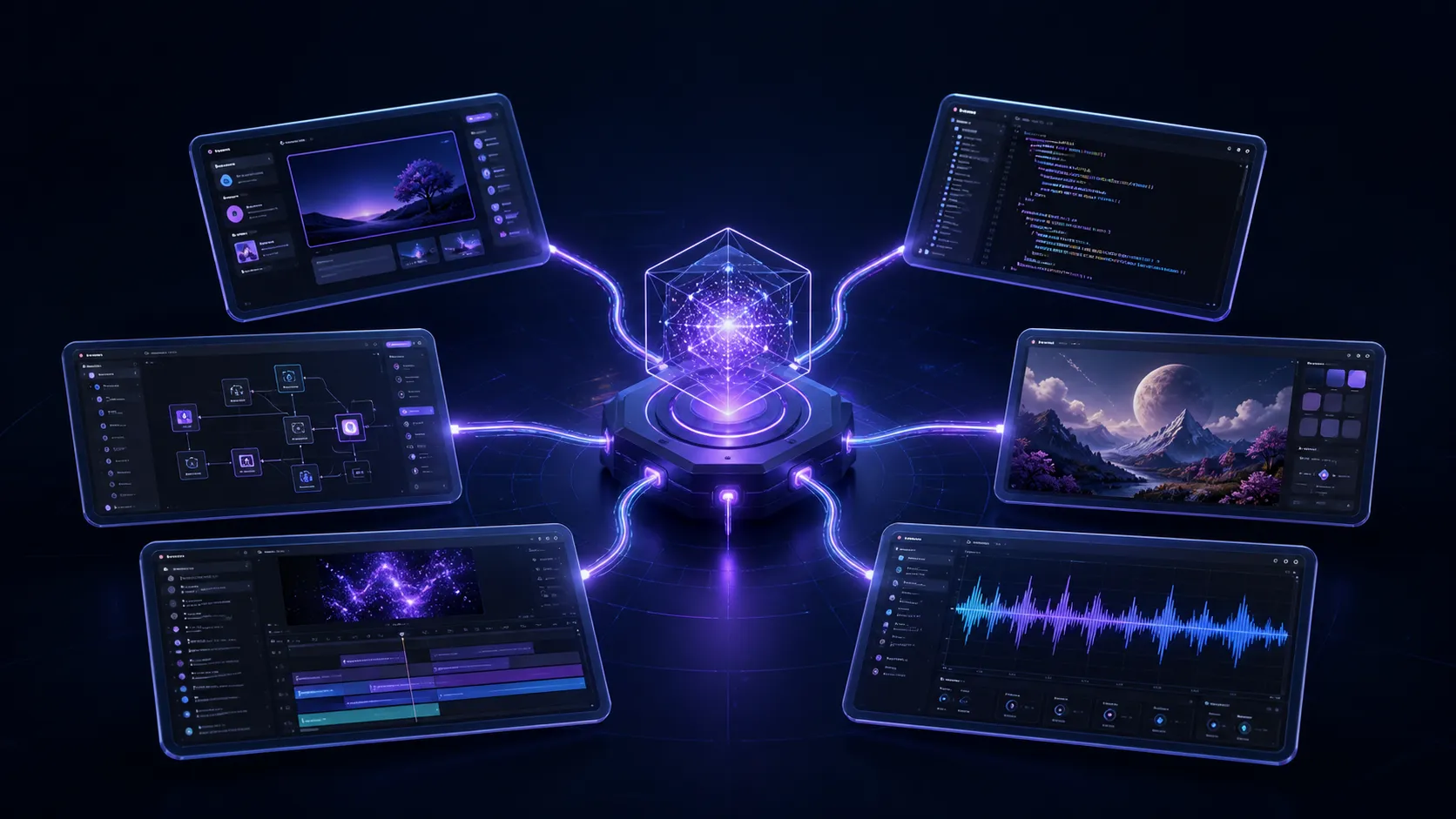
Nova MCP brings six Nova ADK design, development, and media tools into Cursor, Claude Desktop, and other compatible MCP clients so developers can move from an idea to a prototype without constantly switching apps.

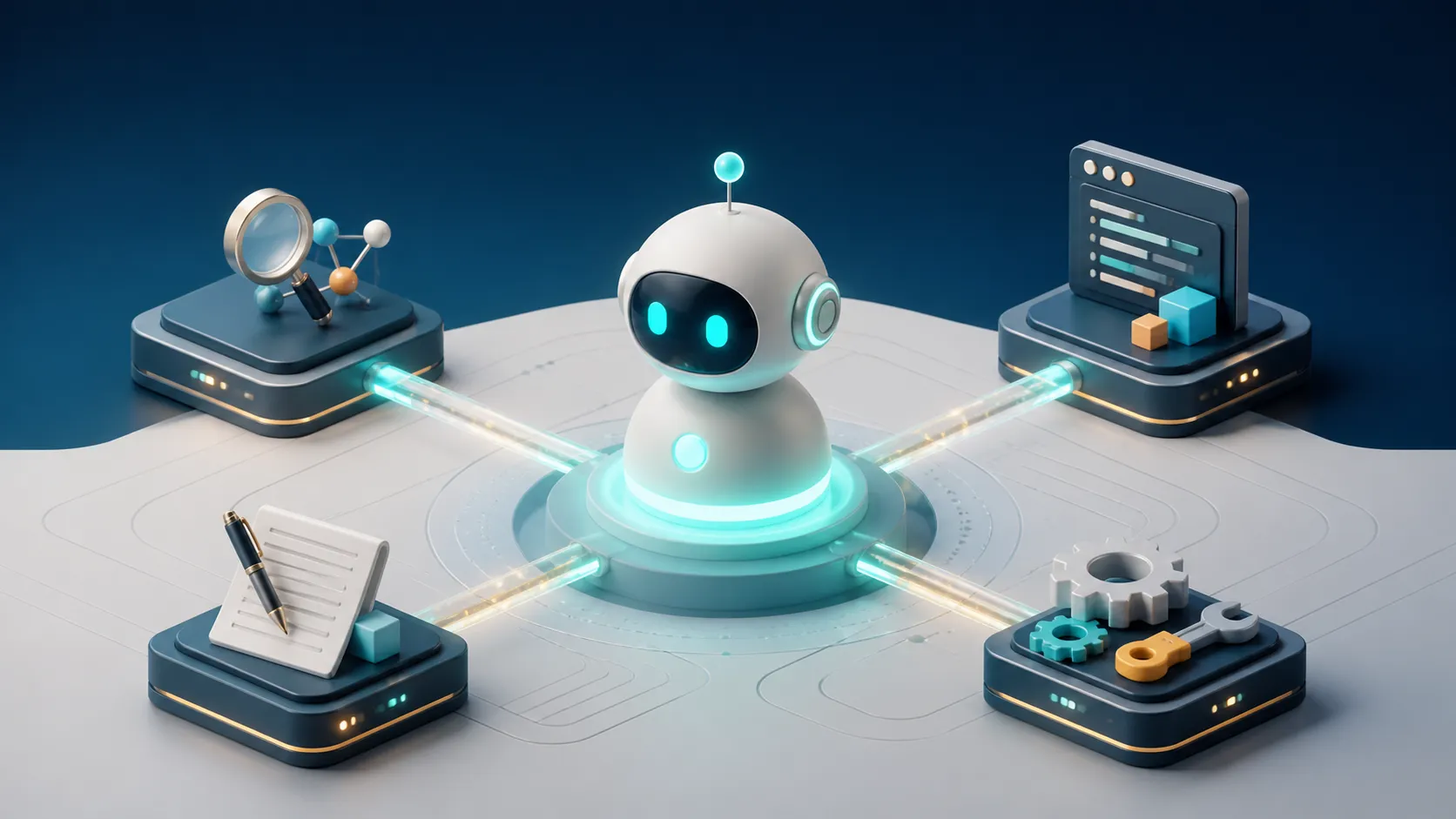
A skill is a reusable package of instructions, workflows, and resources that helps an AI agent perform a specialized task consistently, safely, and efficiently.

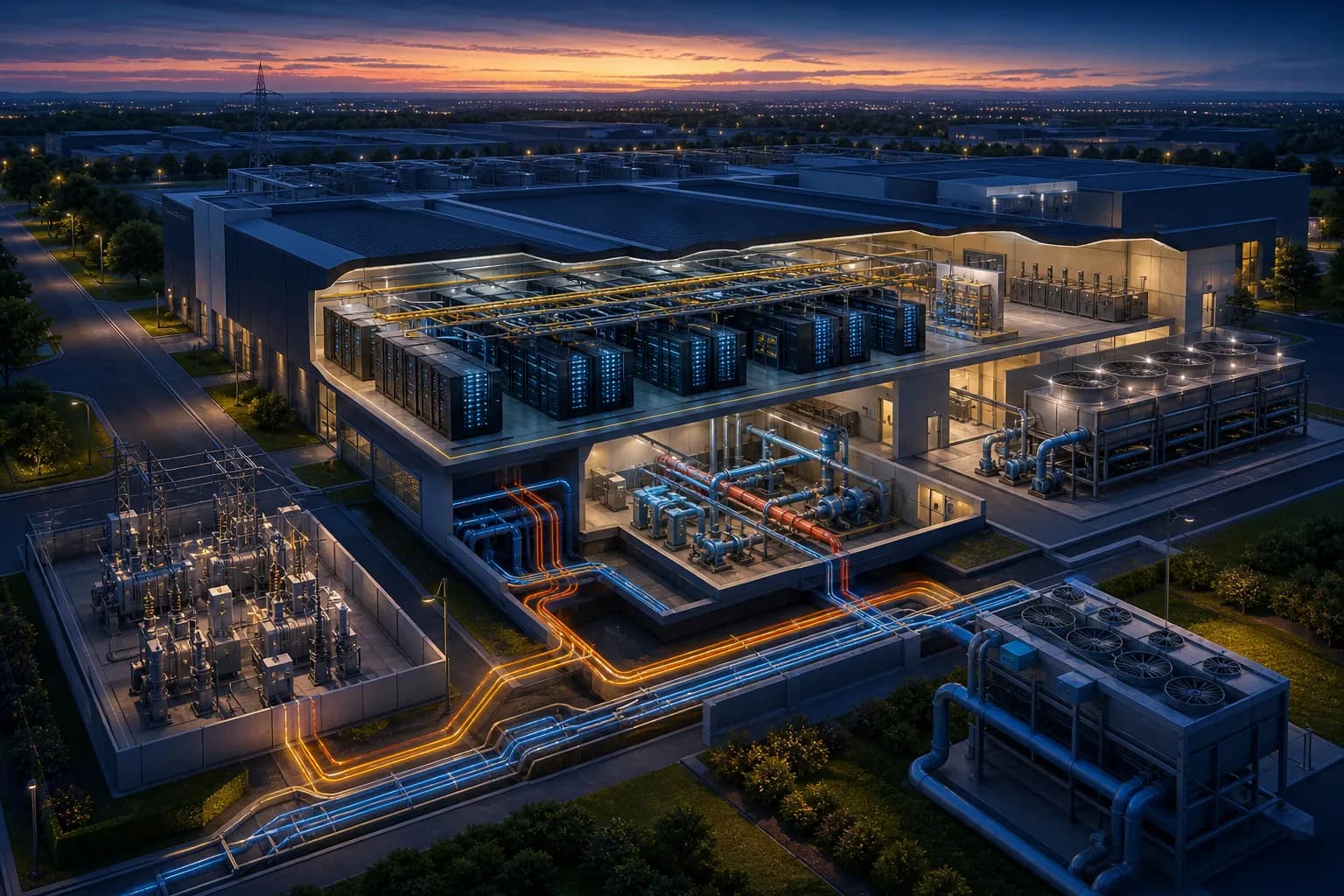
AI infrastructure investment is spreading beyond model development to GPUs, inference capacity, networking, data-center development, power, and cooling. Activity around Groq, SoftBank, Cloverleaf, and Relativity Networks is a reminder that developers must treat compute availability as an architectural constraint, not merely a cloud bill.

Putting AI into messaging, desktop, and calendar workflows requires more than a model call. Teams need tool contracts, parameter validation, state management, and UI handoffs that let users inspect consequential work.

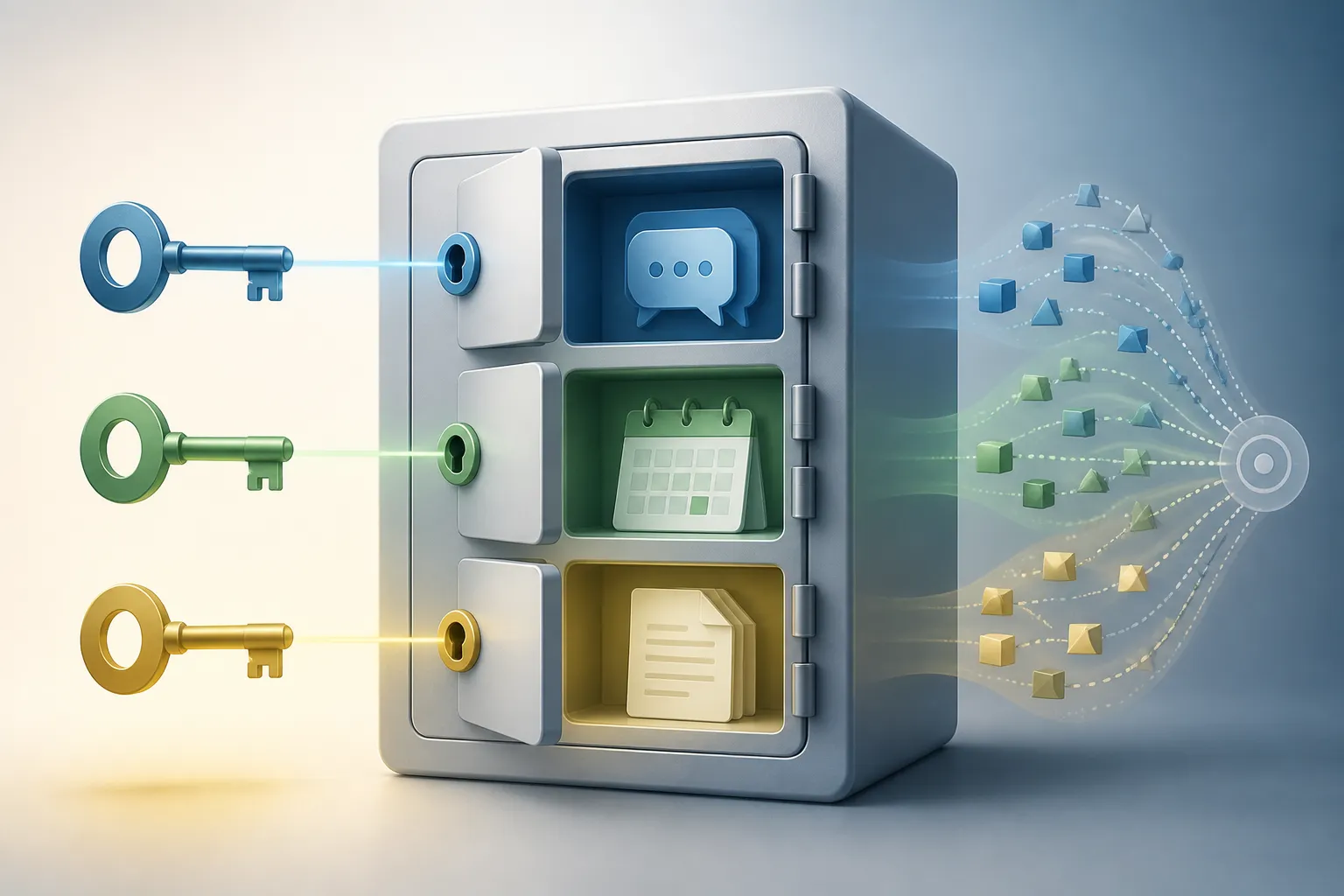
AI integrations in Messages and desktop apps can make assistance more contextual, but they also expand access to sensitive data and actions. Teams should hold back broad automation until consent, review, revocation, and recovery are concrete product capabilities.