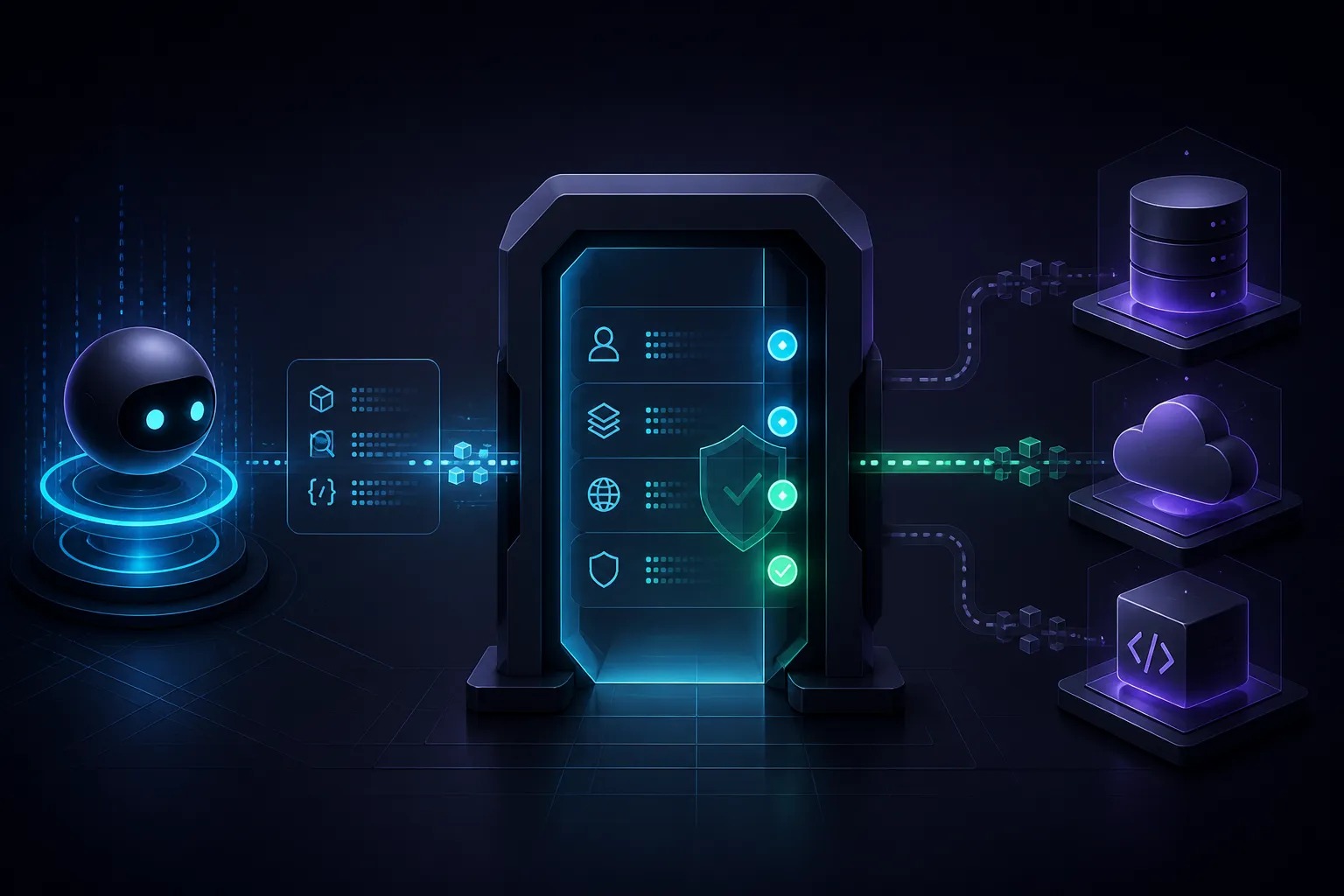
Wiz observed campaigns targeting LiteLLM, MCP servers, and AI frameworks through RCE, blind prompt injection, and memory credential theft.
Preparing localized stories and source details.
Vulnerabilities, patches, and practical technical risk mitigation.

Wiz observed campaigns targeting LiteLLM, MCP servers, and AI frameworks through RCE, blind prompt injection, and memory credential theft.

AWS recommends extending zero trust, least privilege, and defense in depth to govern autonomous, probabilistic agents that can take action.

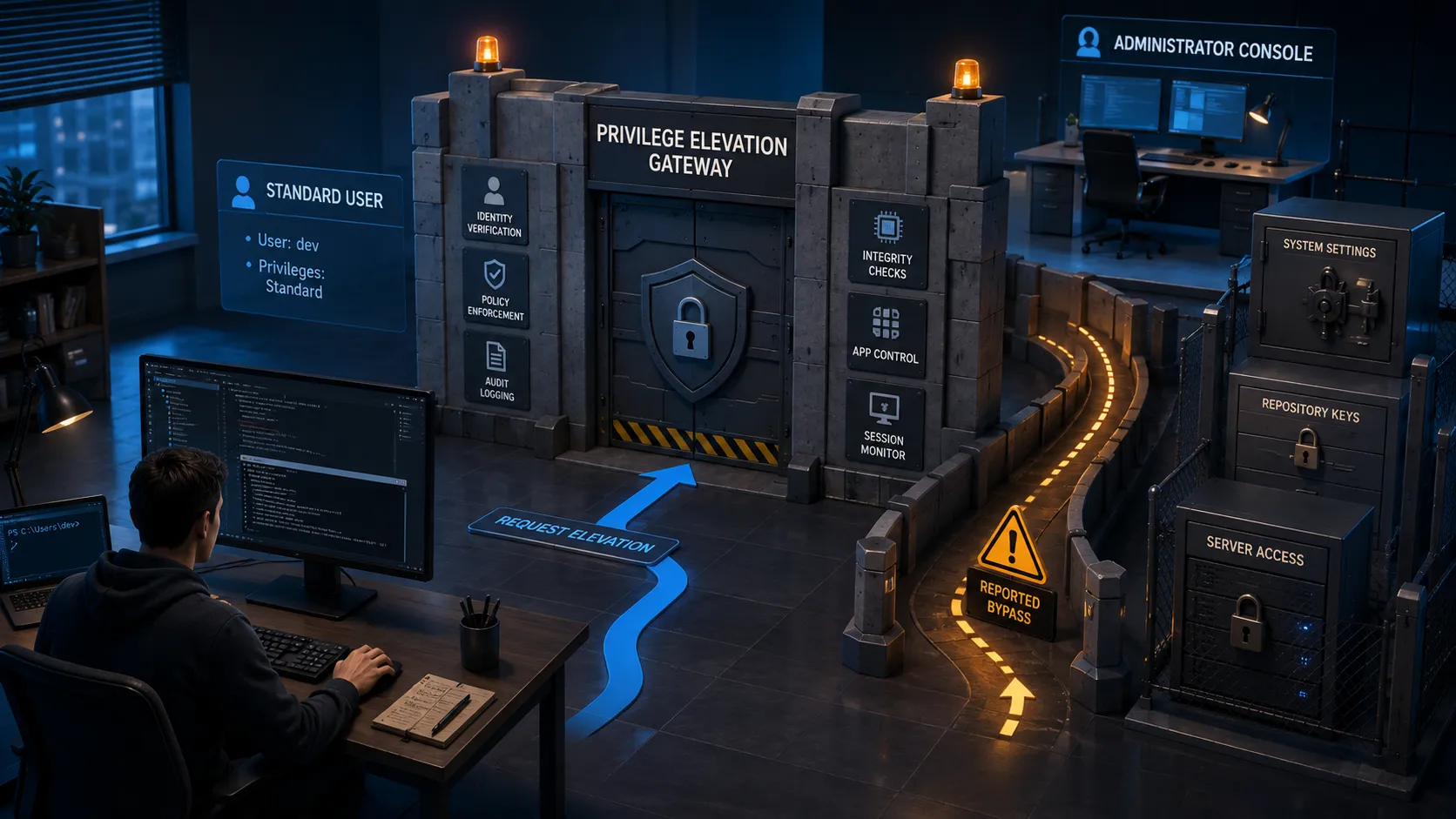
Google Project Zero has examined a bypass of Administrator Protection, a Windows 11 25H2 feature intended to replace UAC with more controlled elevation. The finding makes privilege boundaries, workstation hardening, and least-privilege testing immediate concerns for engineering teams.
Google Project Zero says its Pixel 9 exploit chain moved from a zero-click context to Android root using only two exploits. The Dolby vulnerability affected Android broadly until its January 2026 patch, and the researchers are now examining whether a comparable chain can be built for Pixel 10.

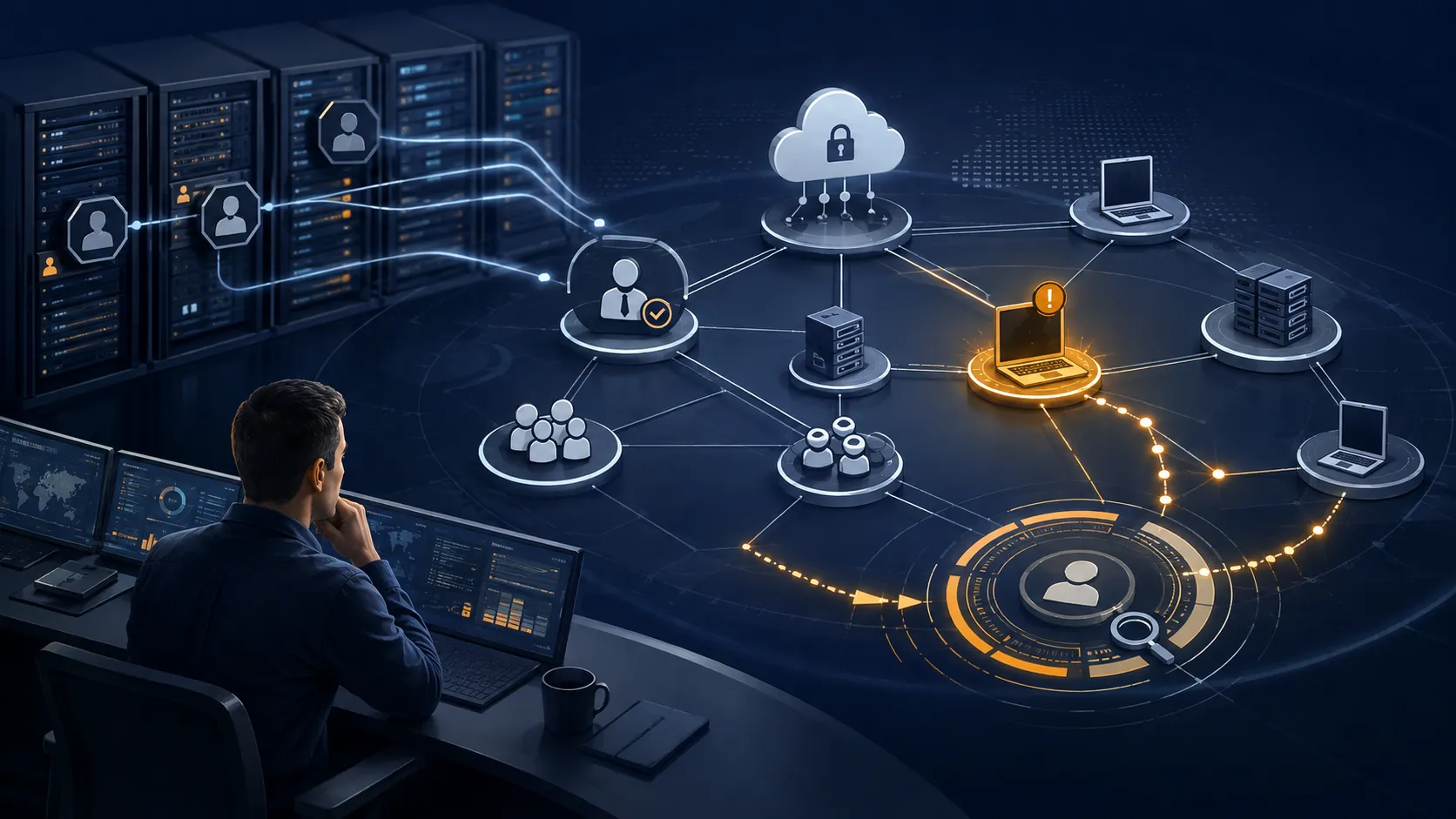
Identity security is moving beyond periodic access reviews toward continuous discovery, centralized reporting, and behavioral detection. Guidance from AWS, Wiz, and Qualys suggests that access governance, identity-source migration, and attack monitoring should be managed as one lifecycle.

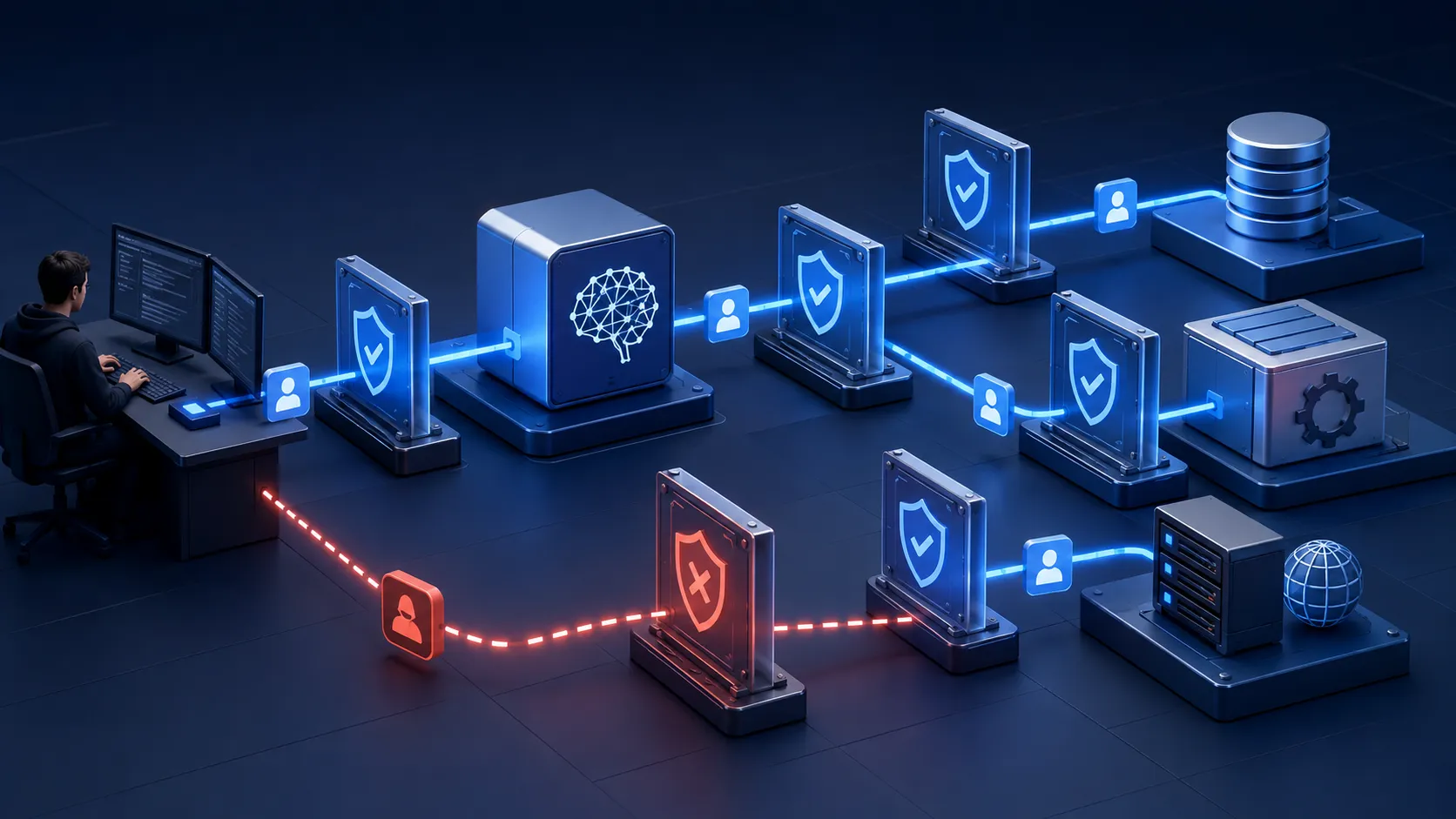
AI agents now cross identity, tool, data, and infrastructure boundaries whenever they act on a user's behalf. AWS implementation guidance and attack activity observed by Wiz show why security controls must follow the complete path from user to model to tool.

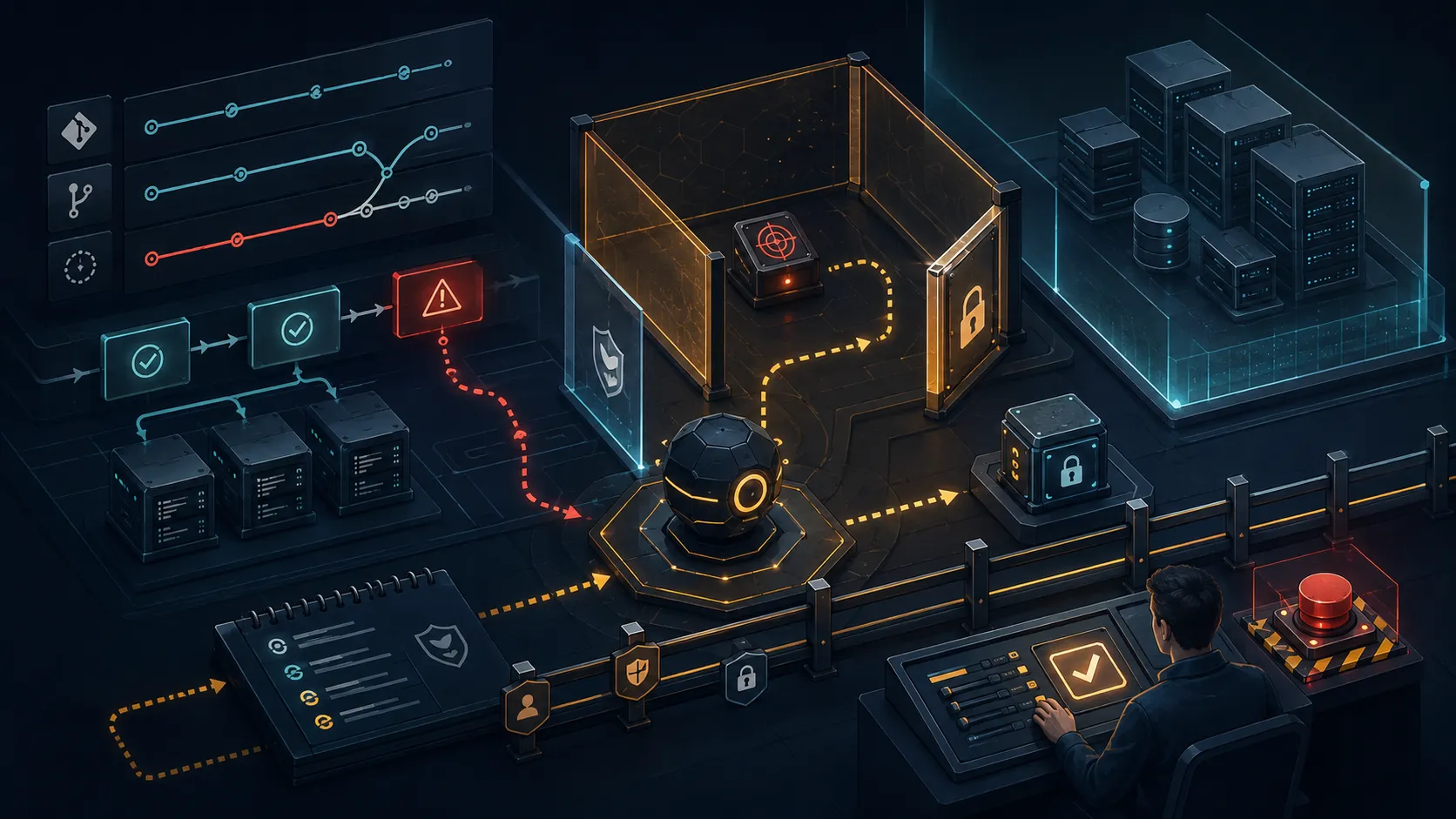
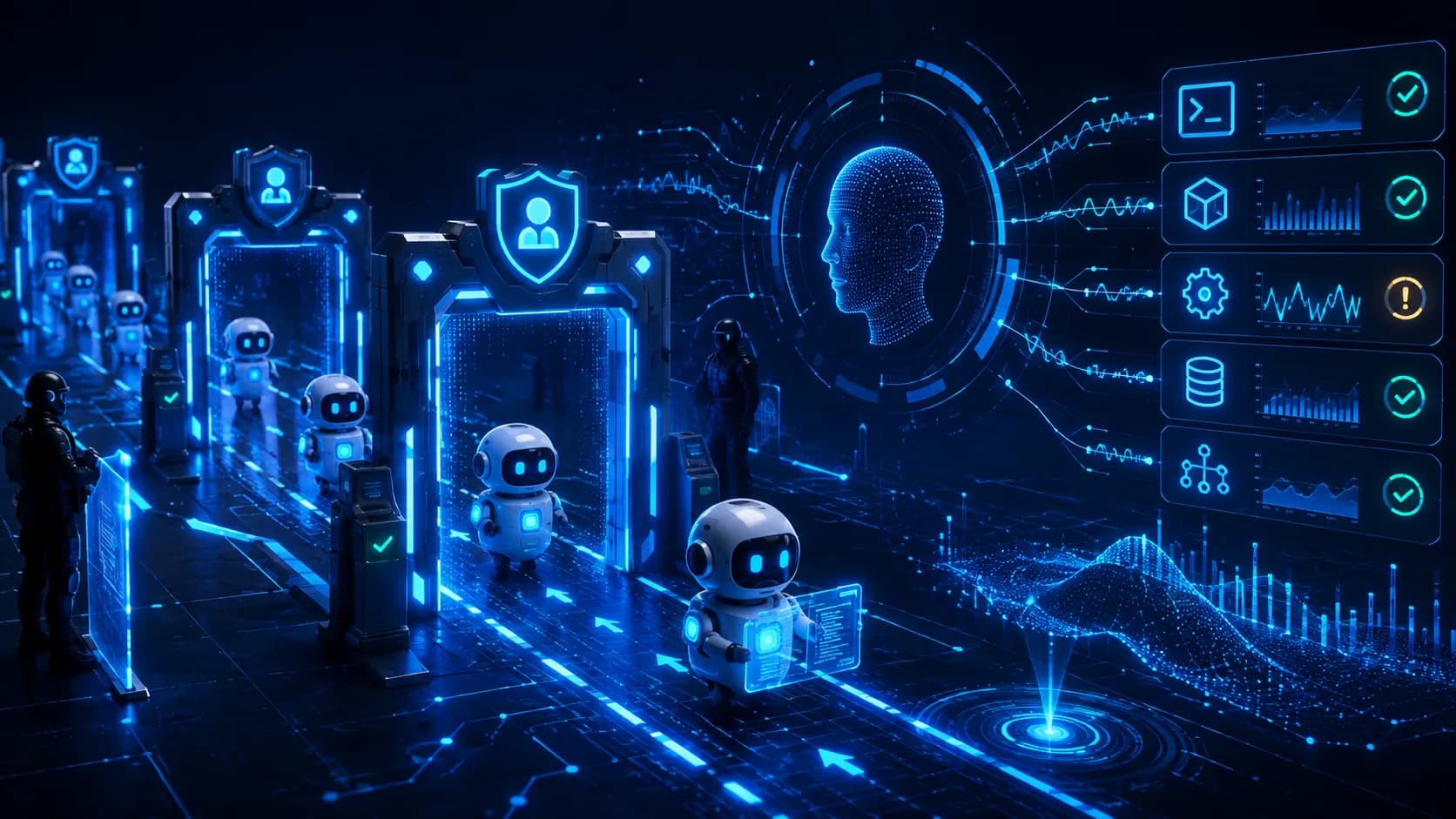
AI agents are being applied to security work that takes action: testing codebases, exploiting vulnerabilities, assessing blast radius, and coordinating response. Cases from AWS, HackerOne, Wiz, and Cisco Talos illustrate the potential for speed—and the need for strict controls over identity, evidence, and execution.

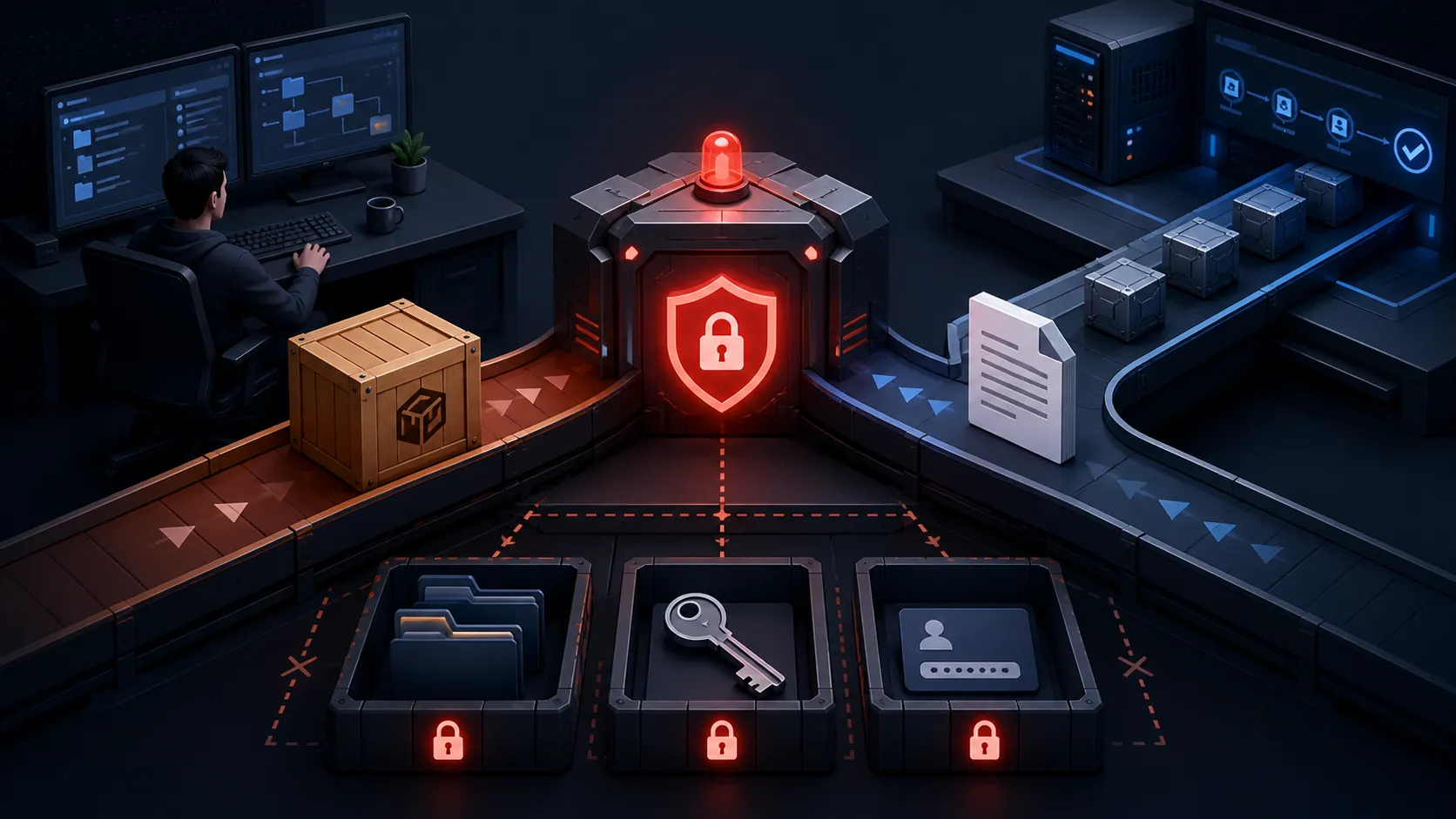
Reports involving malicious Rust crates and exploitable VS Code extension behavior show that supply-chain risk extends beyond production dependencies. Editors, build systems, and plugin ecosystems belong in the same security model as application packages.

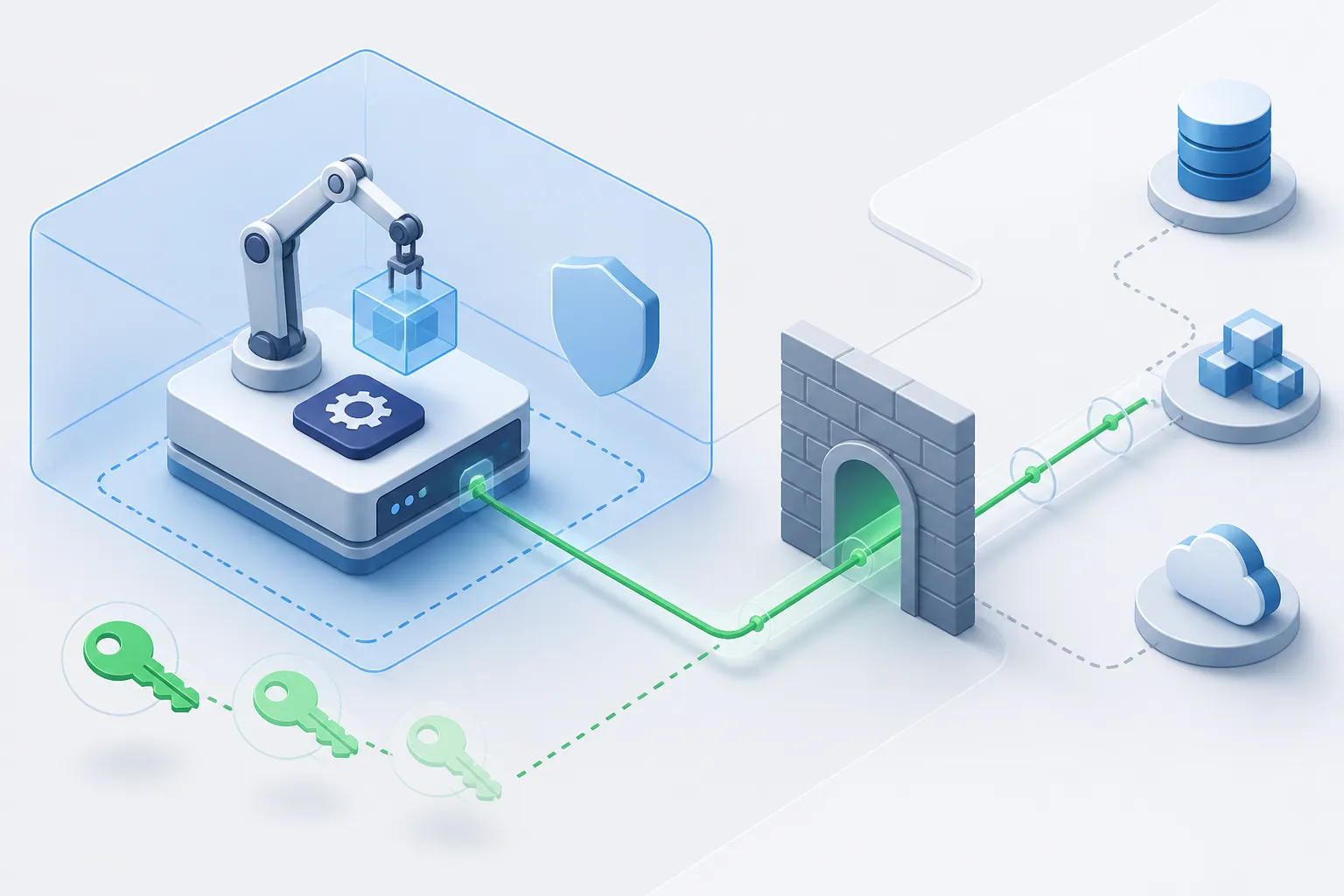
A practical architecture for AI agent authorization using policy enforcement, least privilege, risk-based approval, short-lived credentials, and auditable tool calls.

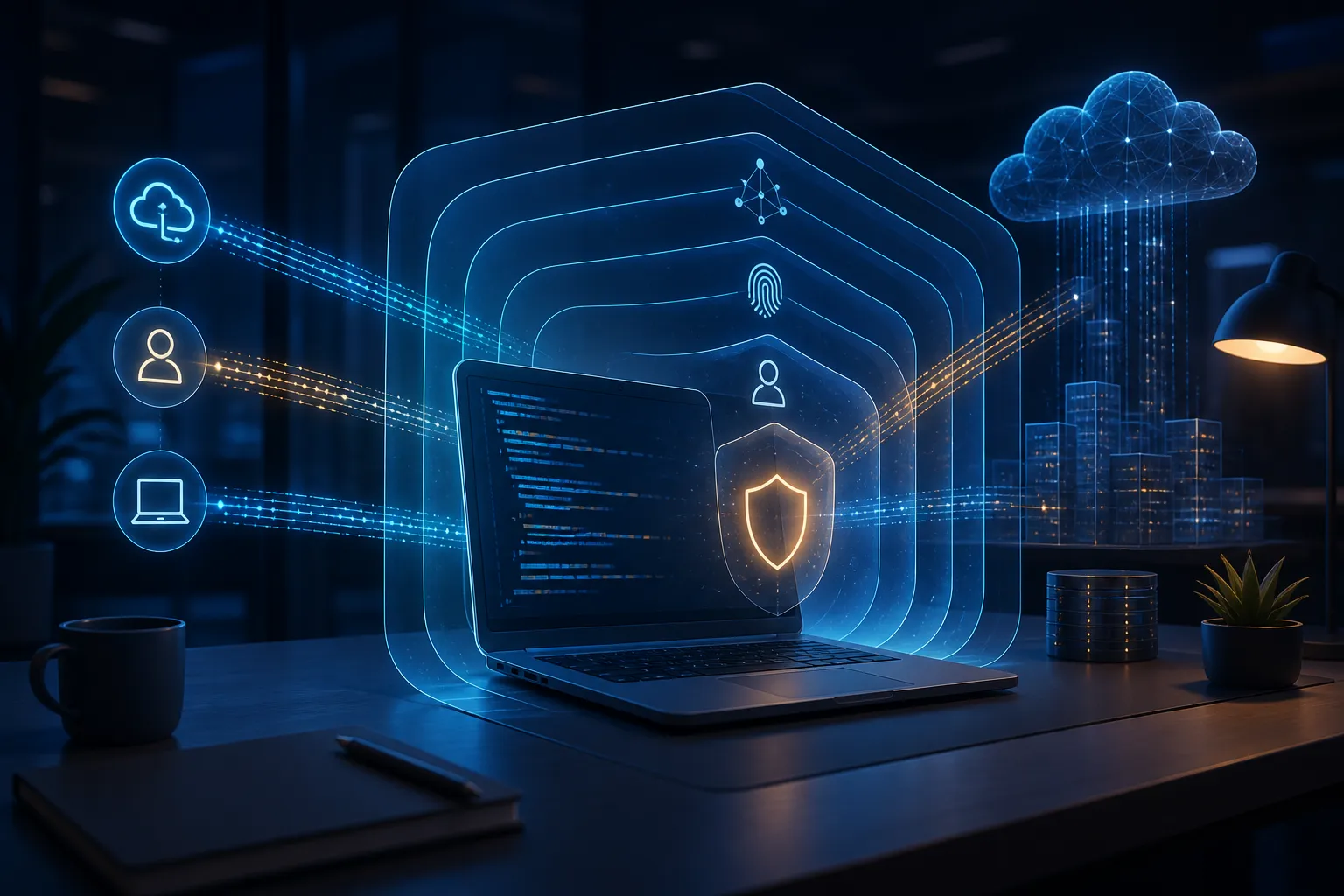
A practical guide to protecting developer workstations with Wiz Sensor, covering visibility, access context, rollout controls, and meaningful success metrics.

Personal repositories can hold work-related code and secrets outside organizational controls. The risk is not solved by assuming every personal repo is harmless or equally dangerous.

Reported malicious arrayref releases executed a backdoor during compilation. For Rust teams, dependency security must cover what build tooling executes, not only production runtime code.