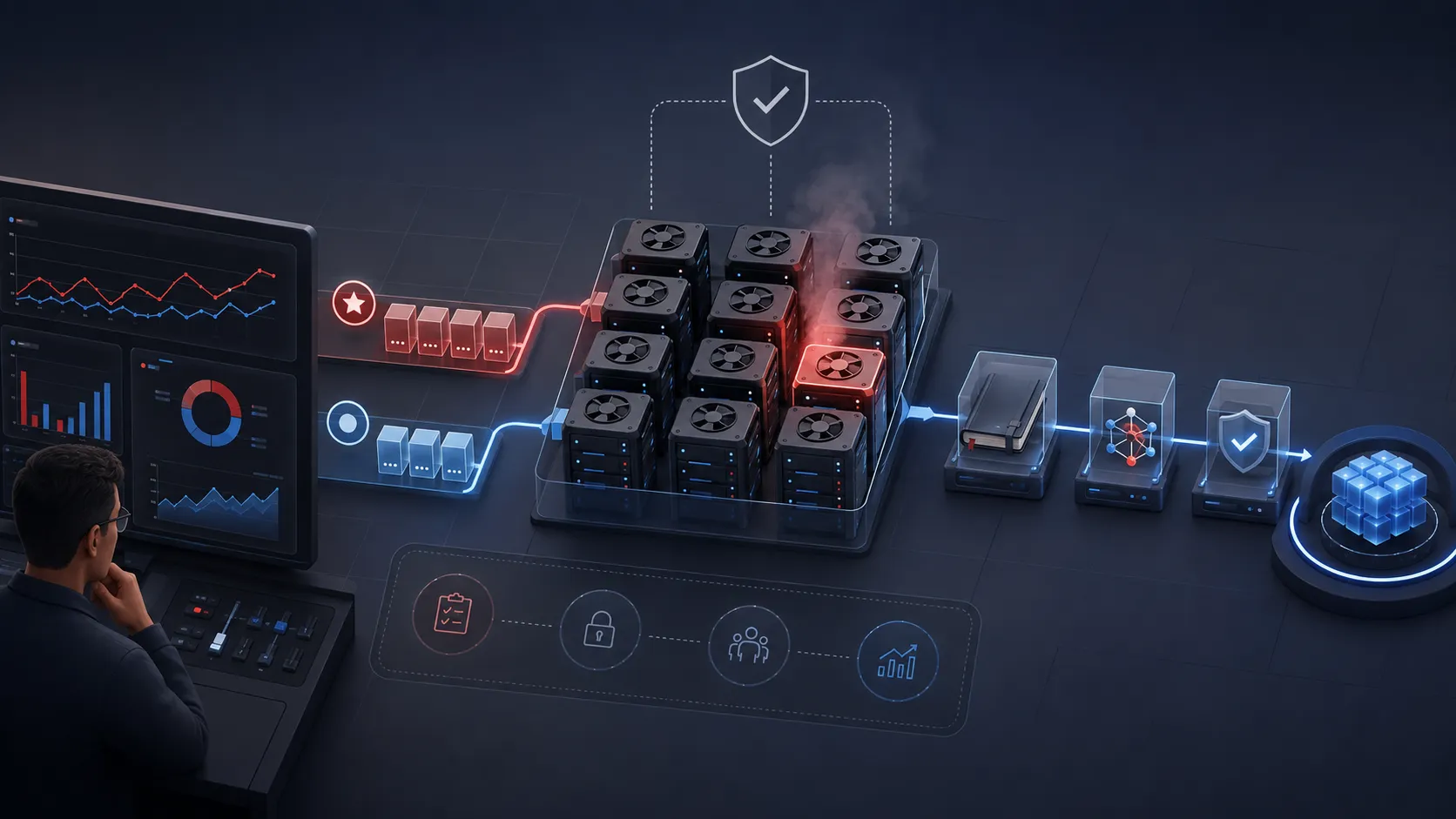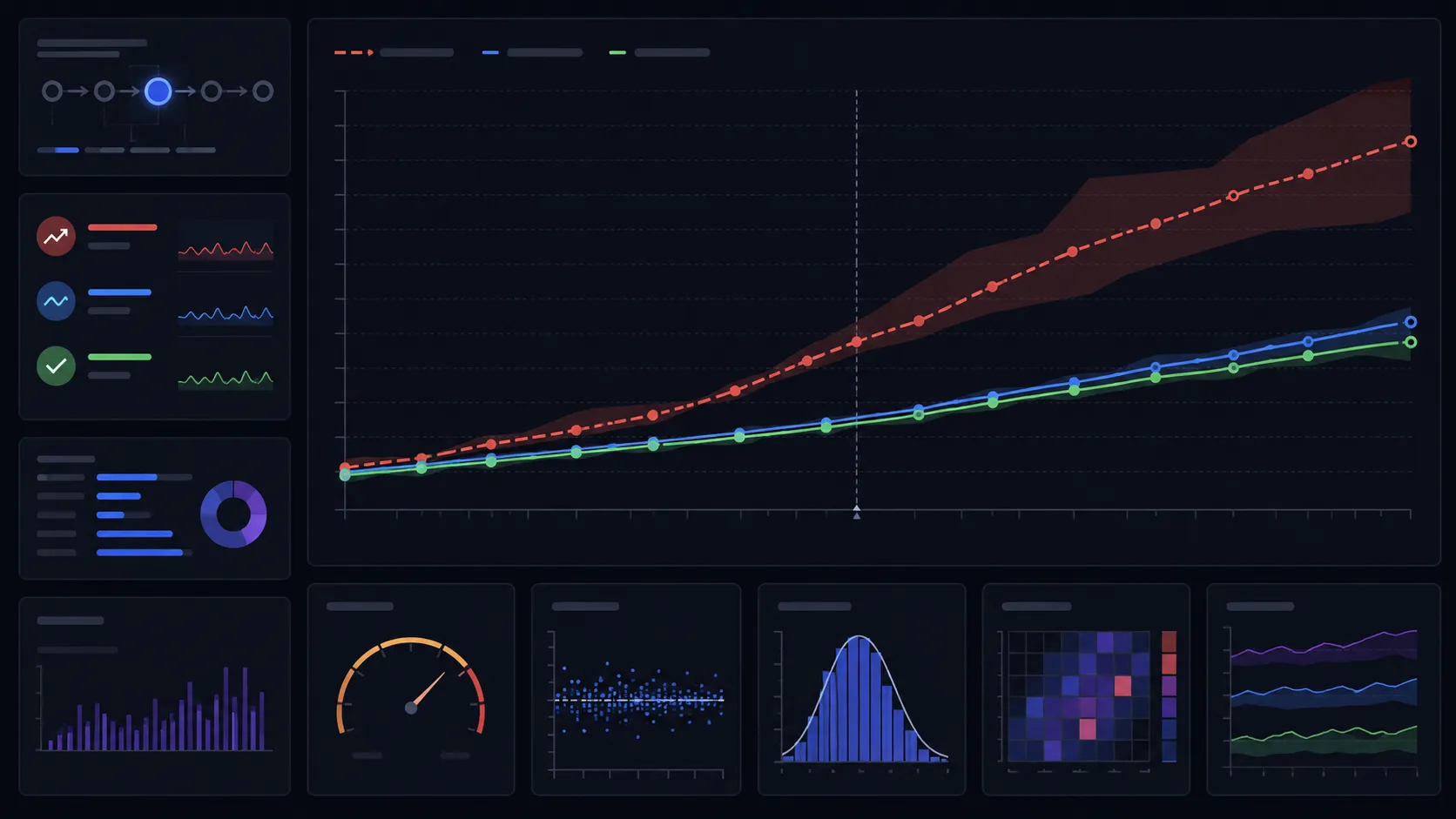
An Application Metrics dashboard showed an AI-suggested formula produced files up to 83% larger than predicted, while a bitrate formula stayed near 5% error.
Preparing localized stories and source details.
Infrastructure, cloud, CI/CD, observability, and production operations.

An Application Metrics dashboard showed an AI-suggested formula produced files up to 83% larger than predicted, while a bitrate formula stayed near 5% error.

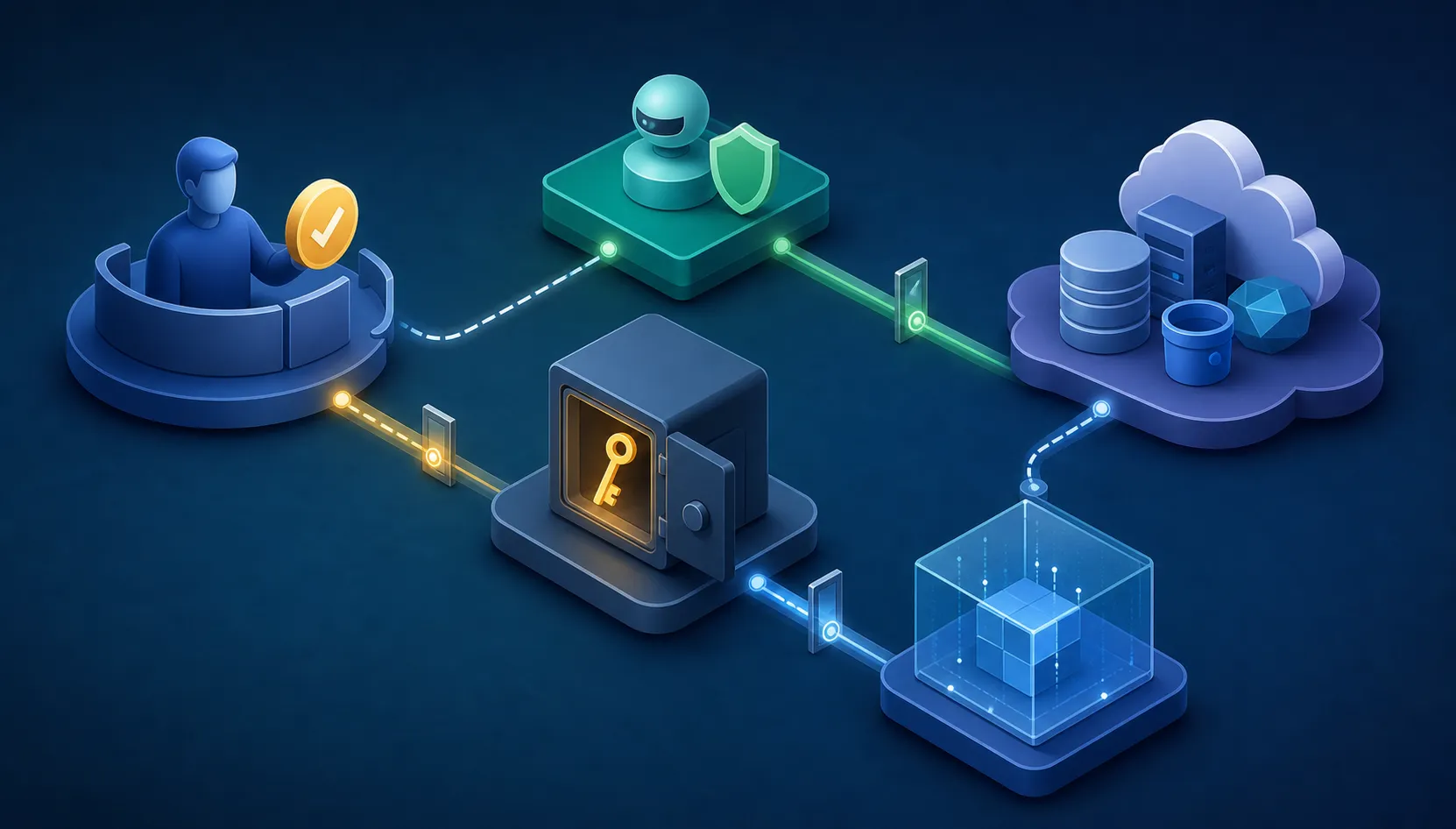
The MCP 2026-07-28 specification removes the initialize handshake and Mcp-Session-Id, carrying protocol and client context on each request.

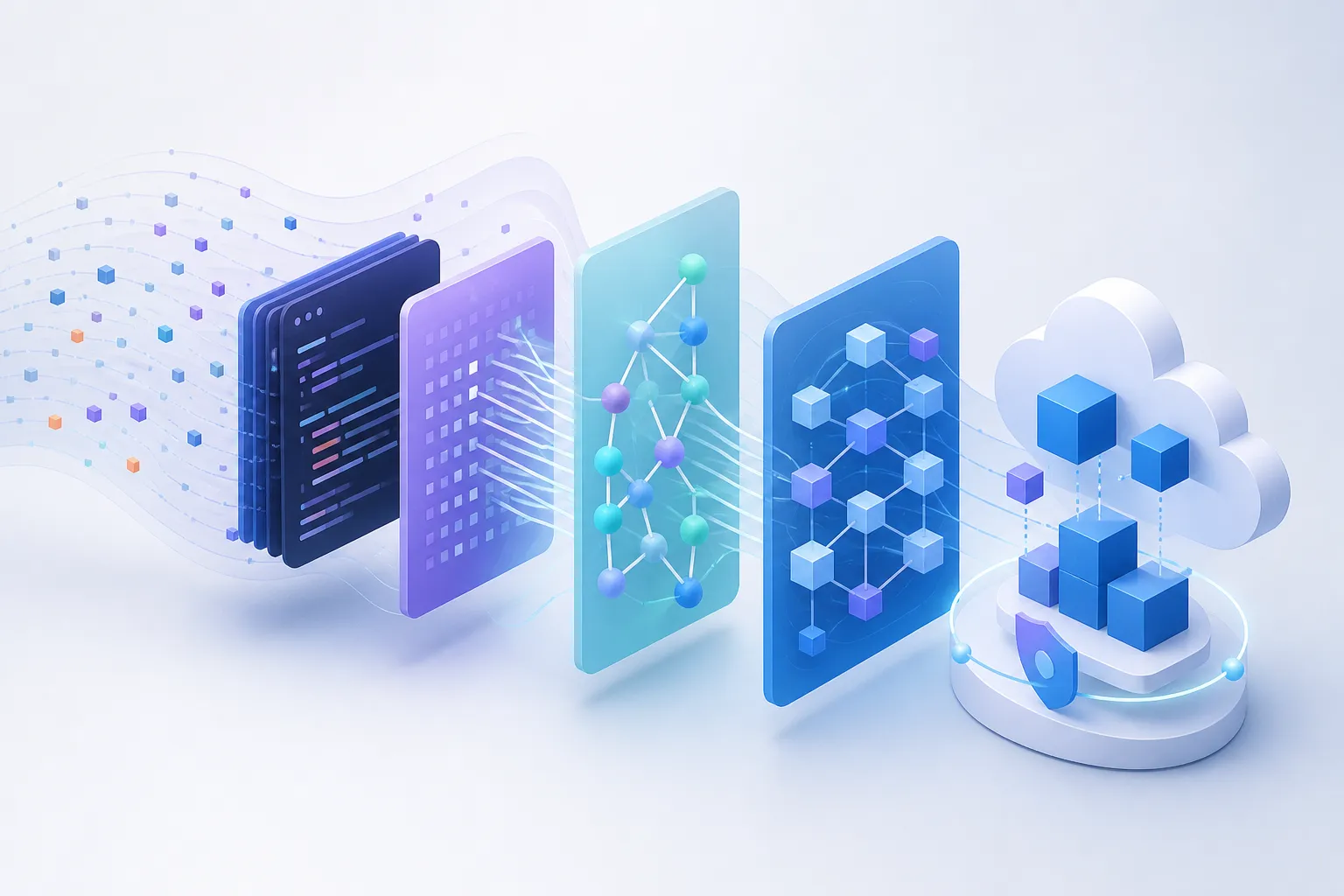
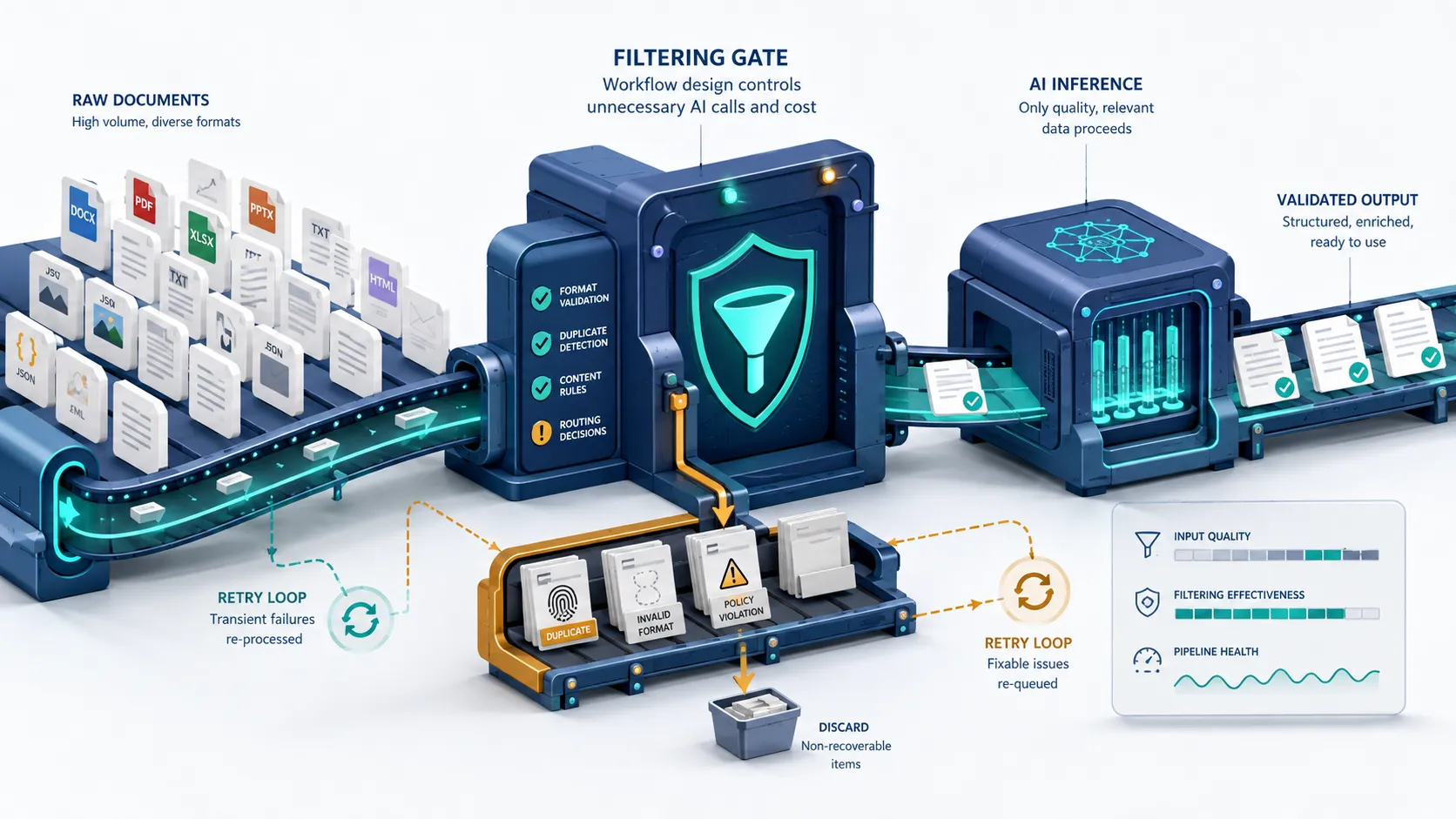
Google Cloud is highlighting the economics of integrating generative AI into Dataflow-based data workflows. Engineering teams should evaluate the entire processing path—from input selection and inference frequency to retries and output handling—not merely the model call.

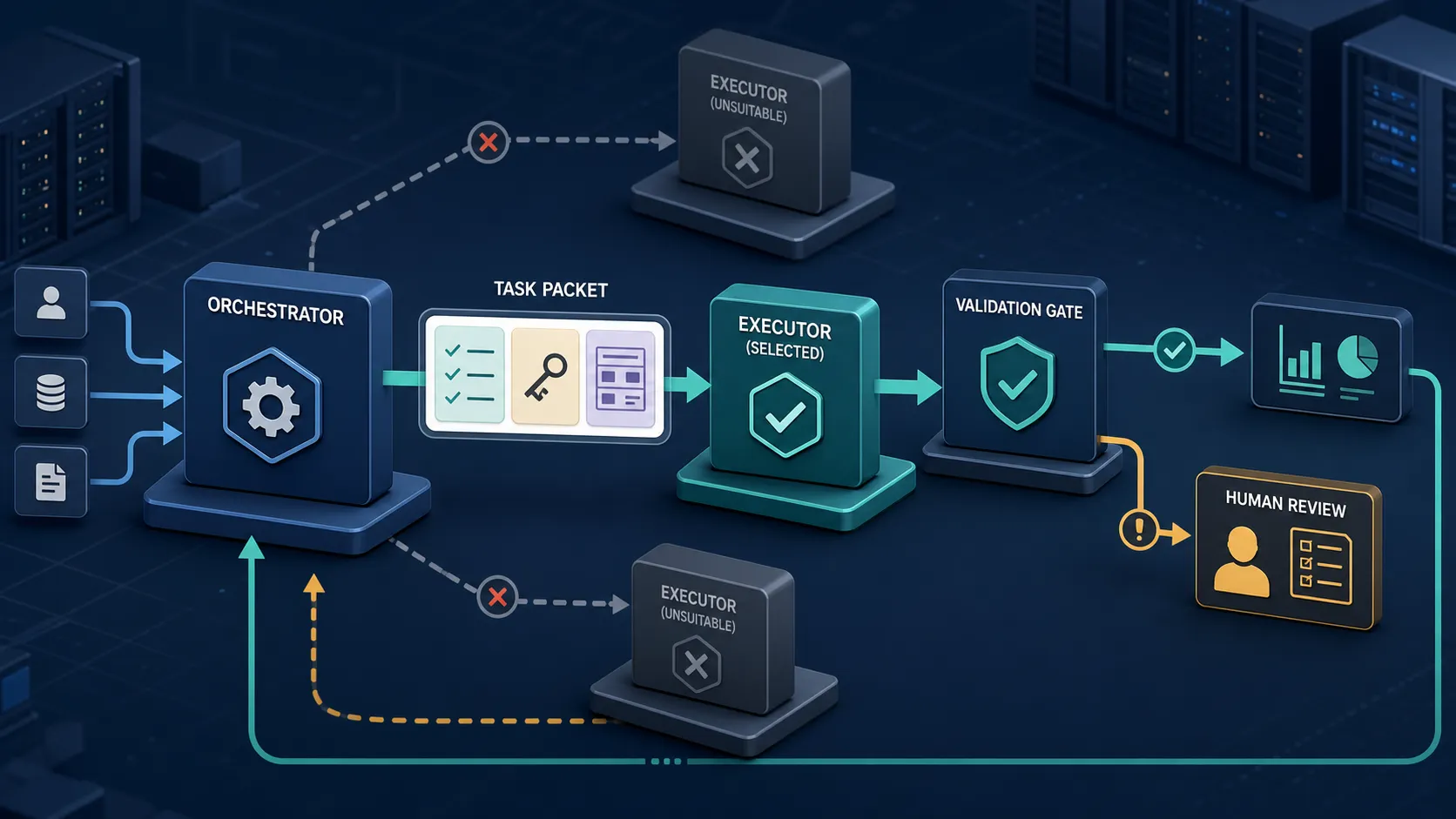
Reliable delegation is more than passing a prompt from one AI agent to another. It requires an explicit task contract, capability-aware routing, bounded authority, output validation, and traces that explain every handoff.

Production AI is expanding the DevOps remit from container deployment to GPU capacity, inference policy, reproducible experimentation, and model lifecycle control. OpenShift-focused guidance outlines how these concerns can form one operational stack without collapsing them into a single scaling problem.

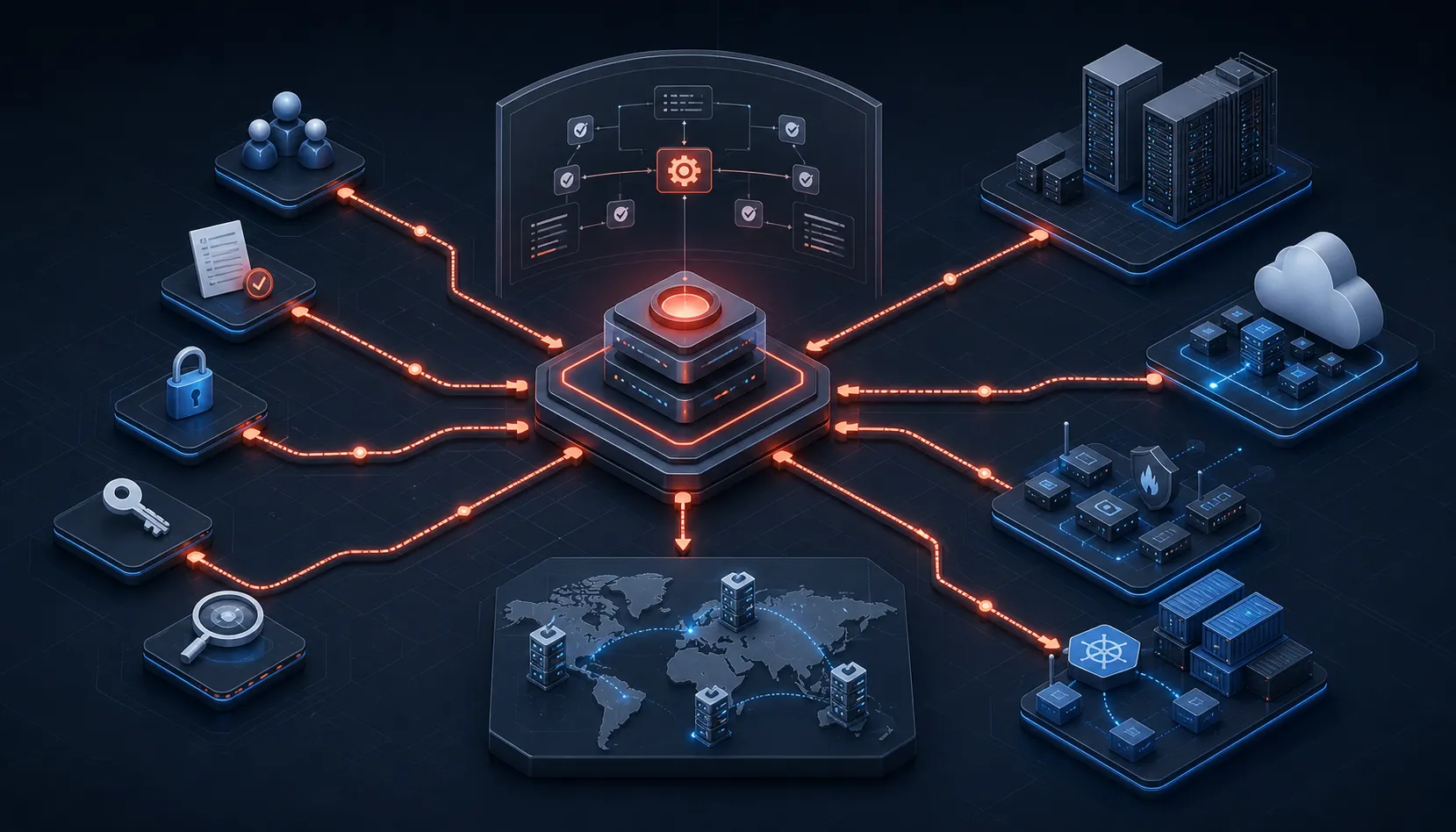
How to design an Ansible automation orchestrator as a control plane for workflows, inventory, credentials, execution capacity, approvals, and audit at scale.

Red Hat’s recent work on developer experience, Ansible workspaces, orchestration, MCP, and plug-in security shares a theme: make the compliant development path easier to use. For platform engineering, that is an internal-product problem rather than a tools checklist.

Red Hat is describing MCP servers in Ansible development tools as a way to accelerate automation with AI. The opportunity is better context for tools, but teams still need explicit data boundaries, permissions, and output validation.

Pulumi is expanding support for existing Terraform estates while separately examining Terraform’s strengths and pressure points with Kubernetes. Teams should use interoperability to clarify infrastructure and workload boundaries, not assume every layer needs the same migration.

Pulumi describes Pulumi HCL as an OpenTofu-compatible HCL runtime and has published how it tests that claim. For devops teams, the key is to understand the evidence boundary rather than infer full equivalence from the compatibility label.

Pulumi has made Pulumi Cloud available as a Terraform backend and brought HCL in Pulumi IaC to general availability. For established Terraform teams, that creates a trial path to change operational layers without immediately rewriting infrastructure code.

Pulumi’s support for remote execution, Terraform state, hosted modules, and HCL focuses attention on how IaC is run and governed. That is particularly relevant to platform teams seeking to standardize workflows rather than merely change parsers.