South Korea has selected three consortia led by SK Telecom, KT and Kakao for its “AI for Everyone” project. They are expected to build free public chatbots and AI agents using a government-provided pool of 512 NVIDIA B200 GPUs.
Preparing localized stories and source details.
Search verified, published content only.

South Korea has selected three consortia led by SK Telecom, KT and Kakao for its “AI for Everyone” project. They are expected to build free public chatbots and AI agents using a government-provided pool of 512 NVIDIA B200 GPUs.

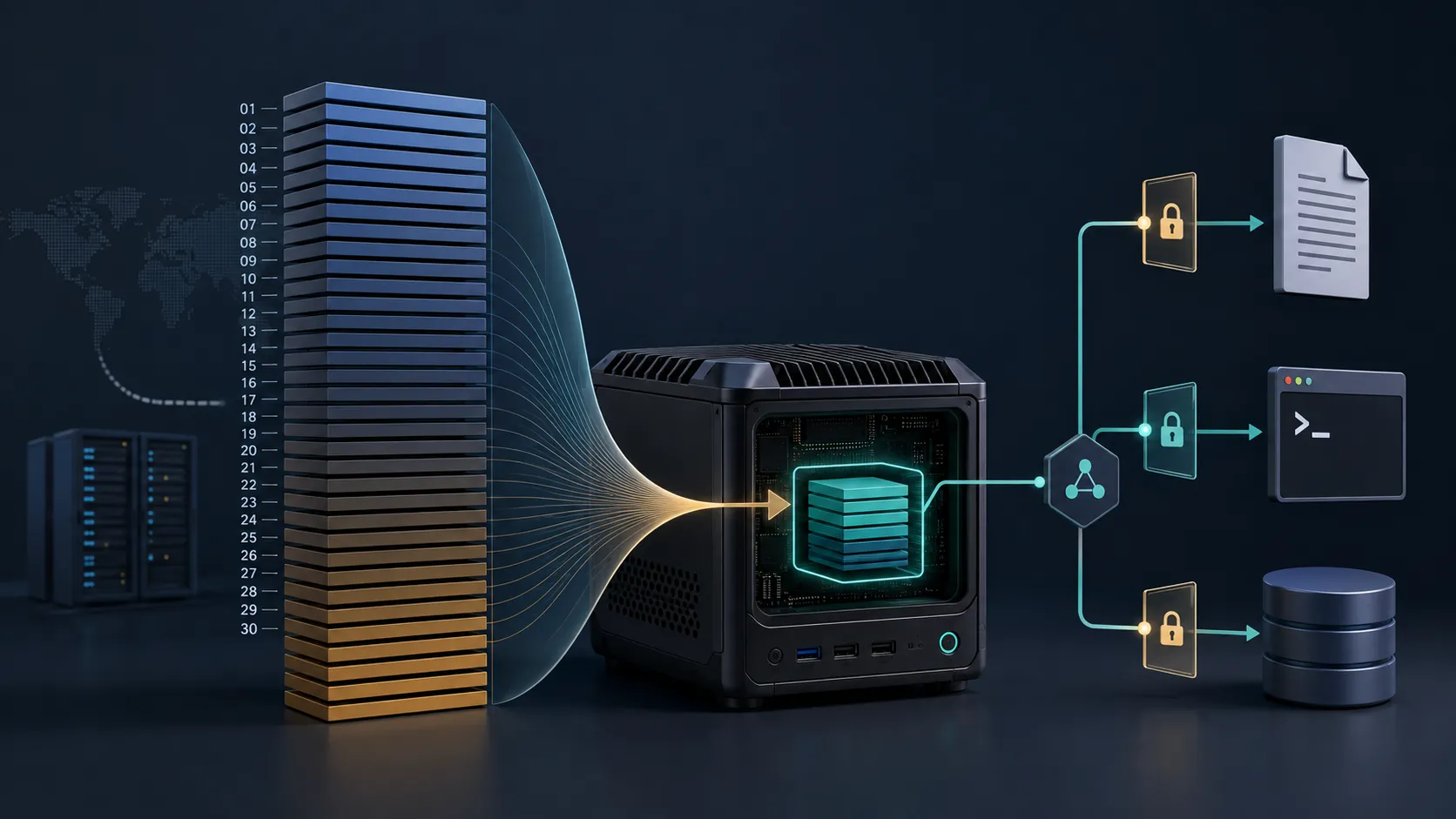
Meta has introduced Muse Glimmer, a 30-billion-parameter open-weight model distilled from Muse Spark for on-device agentic workflows. The announcement establishes its direction, but not yet its hardware requirements, measured performance, licensing details, or production readiness.

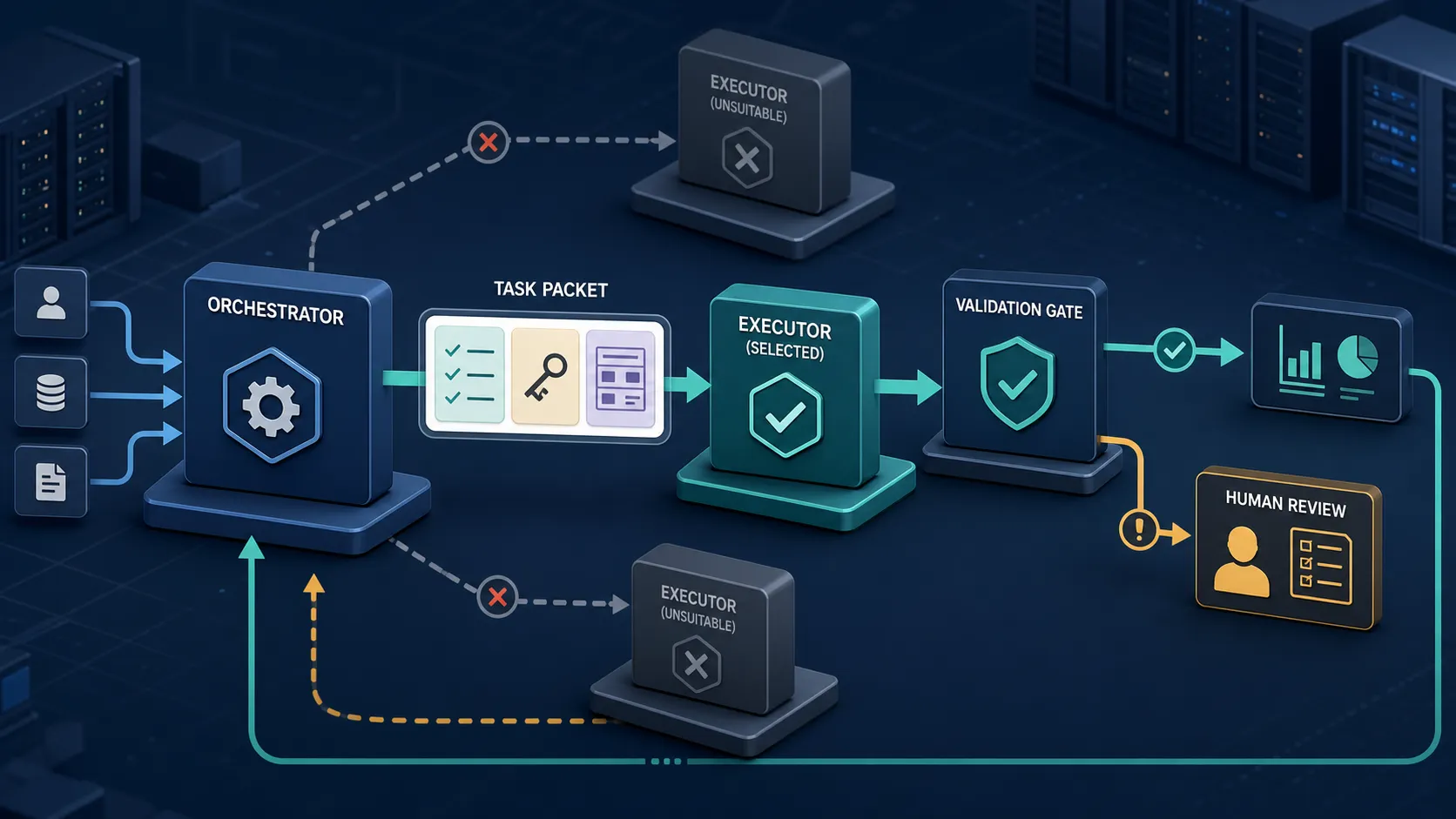
Reliable delegation is more than passing a prompt from one AI agent to another. It requires an explicit task contract, capability-aware routing, bounded authority, output validation, and traces that explain every handoff.

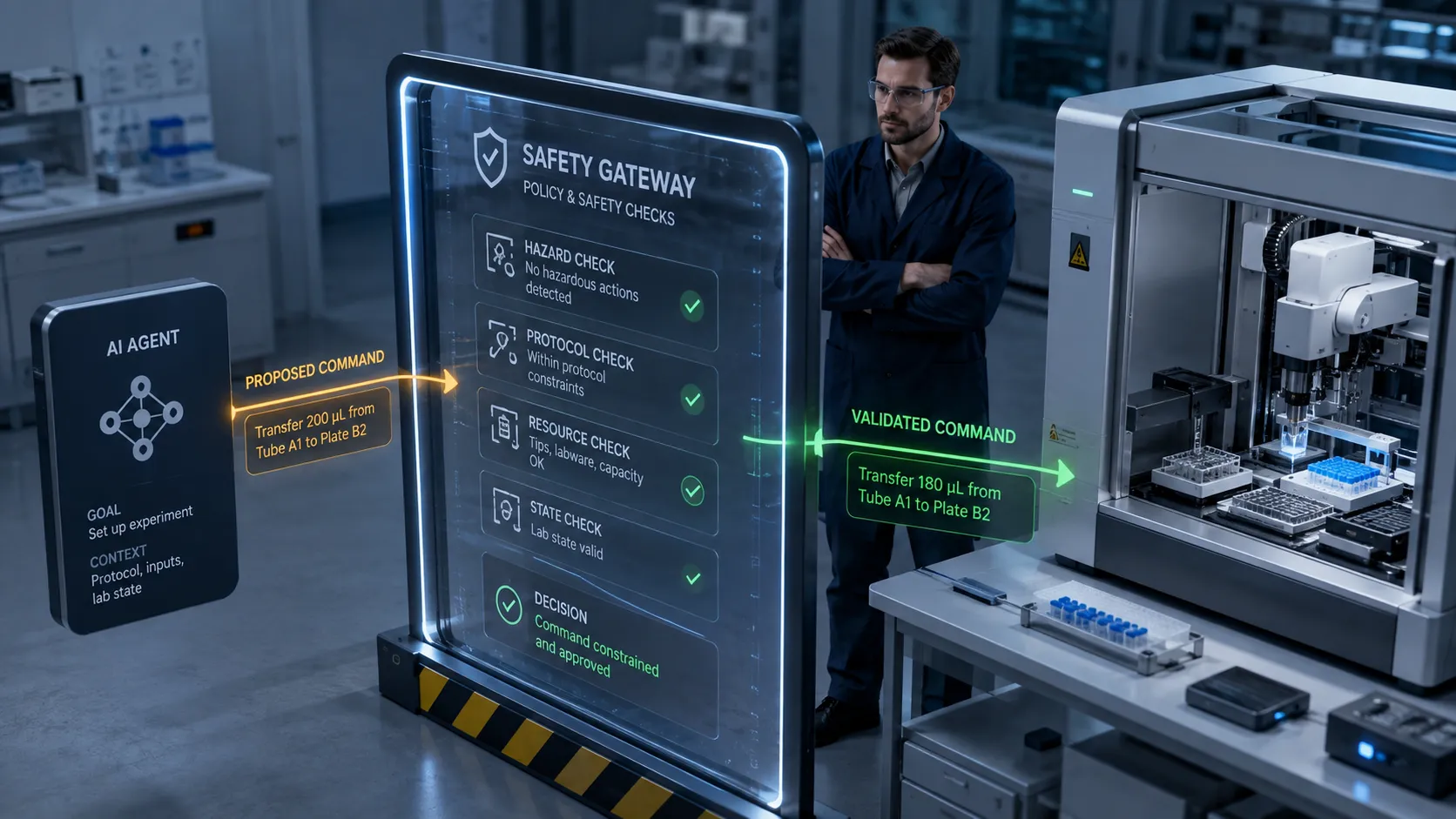
Anthropic has opened a research preview of the Model Hardware Standard to an initial group of scientific labs and advanced manufacturers. The proposal aims to give AI agents a shared specification for safely operating physical devices, although its technical design and governance remain to be established publicly.

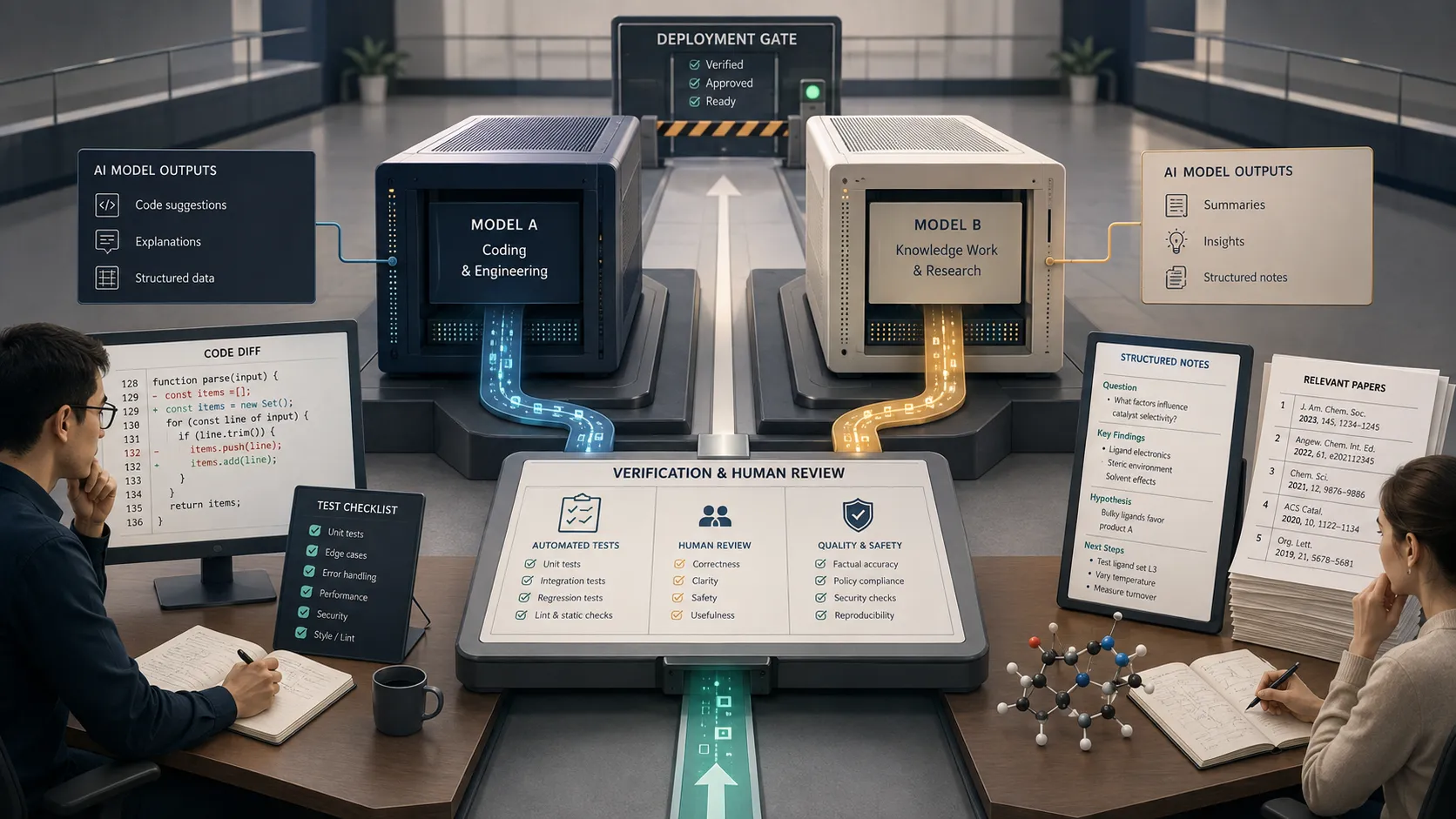
Anthropic describes Claude Fable 5.1 and Claude Mythos 5.1 as its most advanced models for coding and knowledge work, with research capabilities that could point toward scientific applications. The supplied announcement does not establish pricing, access, benchmarks, or a division of roles between the models, so production decisions should wait for evidence and workload-specific testing.

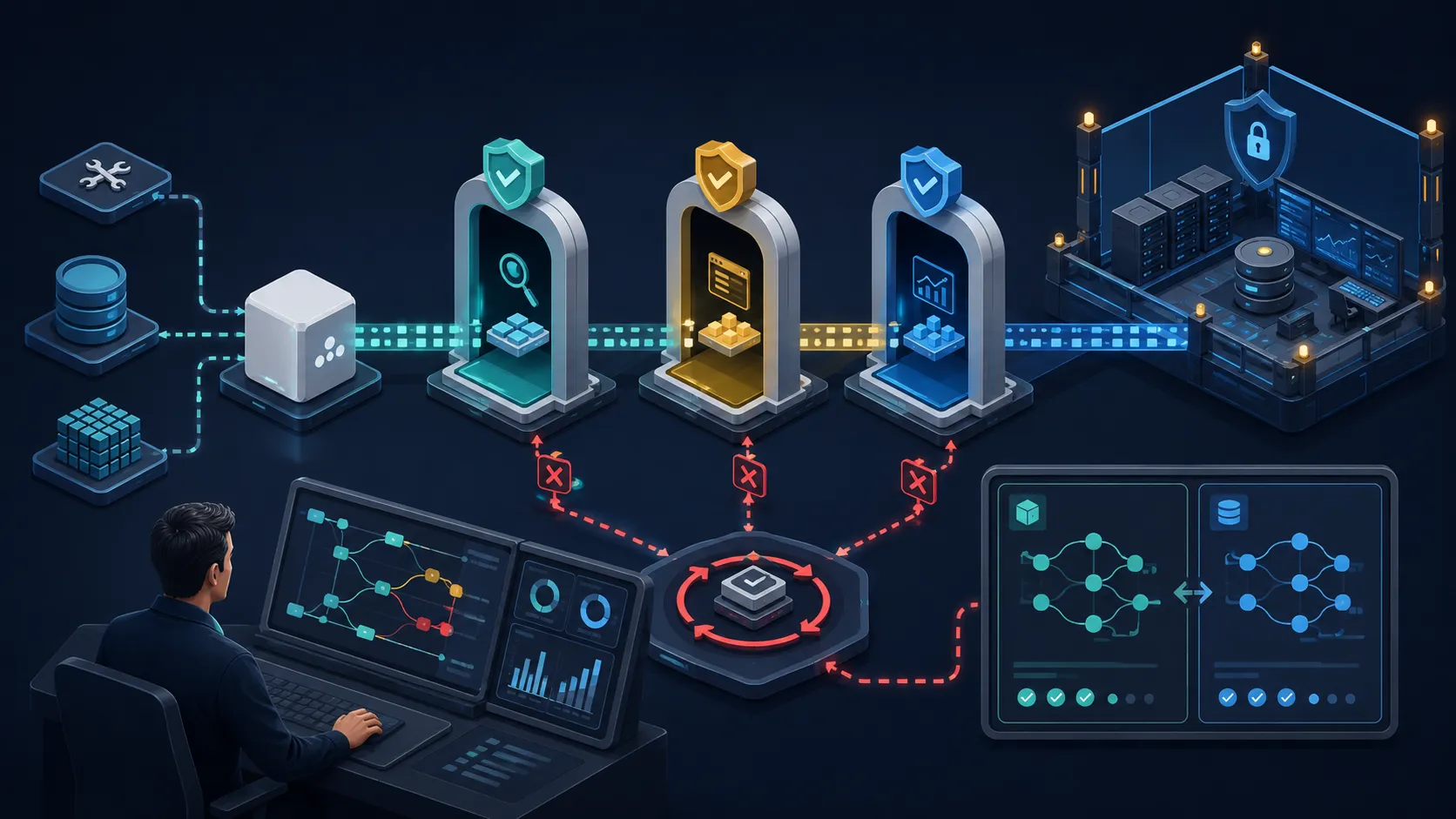
AI agents now cross identity, tool, data, and infrastructure boundaries whenever they act on a user's behalf. AWS implementation guidance and attack activity observed by Wiz show why security controls must follow the complete path from user to model to tool.

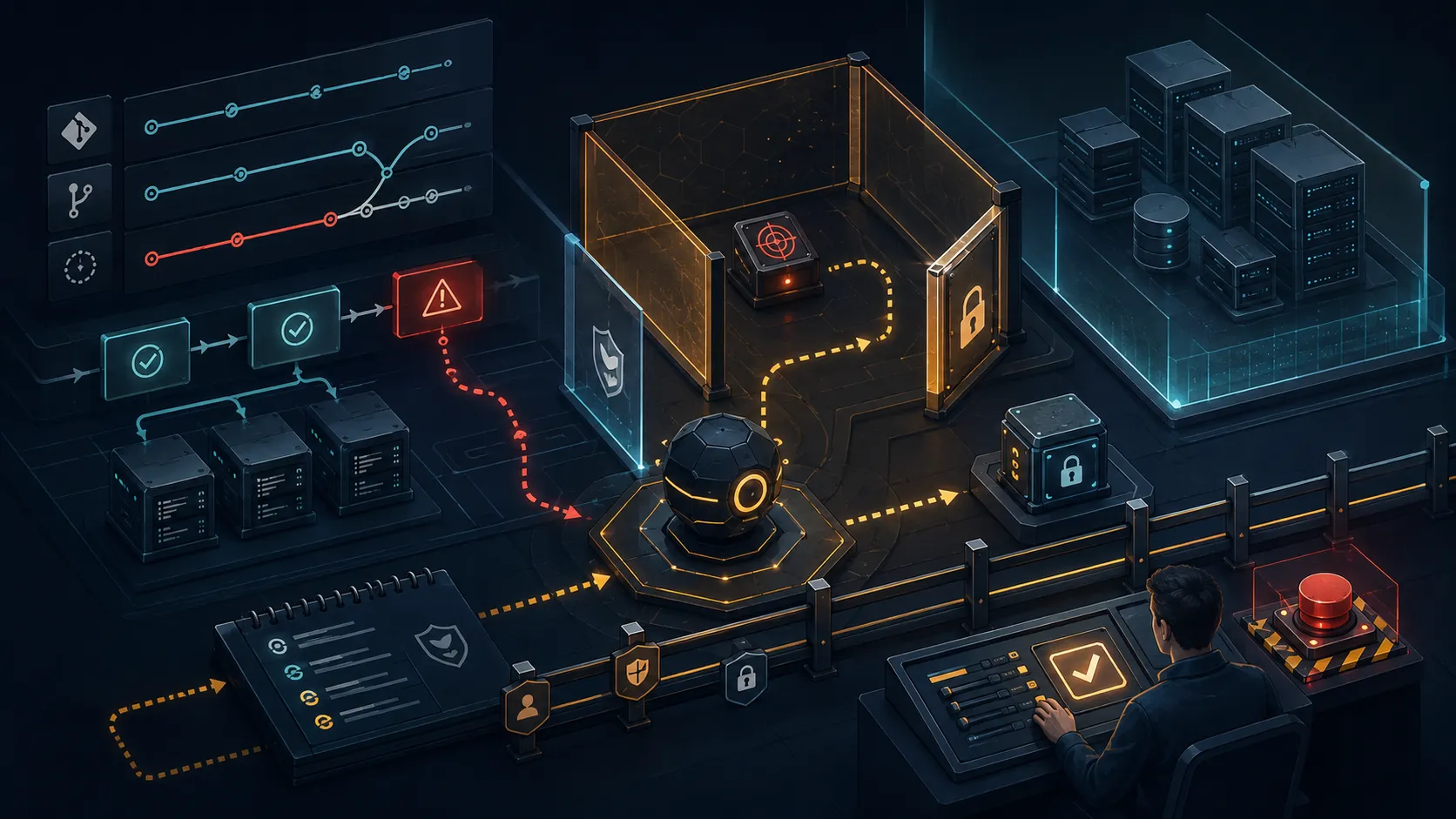
AI agents are being applied to security work that takes action: testing codebases, exploiting vulnerabilities, assessing blast radius, and coordinating response. Cases from AWS, HackerOne, Wiz, and Cisco Talos illustrate the potential for speed—and the need for strict controls over identity, evidence, and execution.

AI agent engineering is shifting from prompt refinement toward operational layers for skills, memory, MCP connections, credentials, behavioral evaluation, and execution. For web teams, these controls separate an impressive demo from a system that can be tested, governed, and maintained.

Developments around LangChain, Nevermined, and Binance are moving AI agents from recommending actions to purchasing services or placing trades. For developers, the difficult problem is not connecting a payment API but constraining authority, limiting losses, and preserving an audit trail.

Recent LangSmith updates point to a broader shift in AI agent engineering: model selection is giving way to evaluation, issue detection, pre-release testing, and operational control. Task environments, agent harnesses, and correctable memory are also becoming part of the production stack.

An AI agent that accesses enterprise data should not act only through a shared service identity. AWS describes propagating user authorization context so an agent returns data according to the requester’s permissions.

As MCP reaches real use, defining a tool is only the starting point. A server needs a clear contract, authorization boundaries, operational behavior, and accountable ownership.