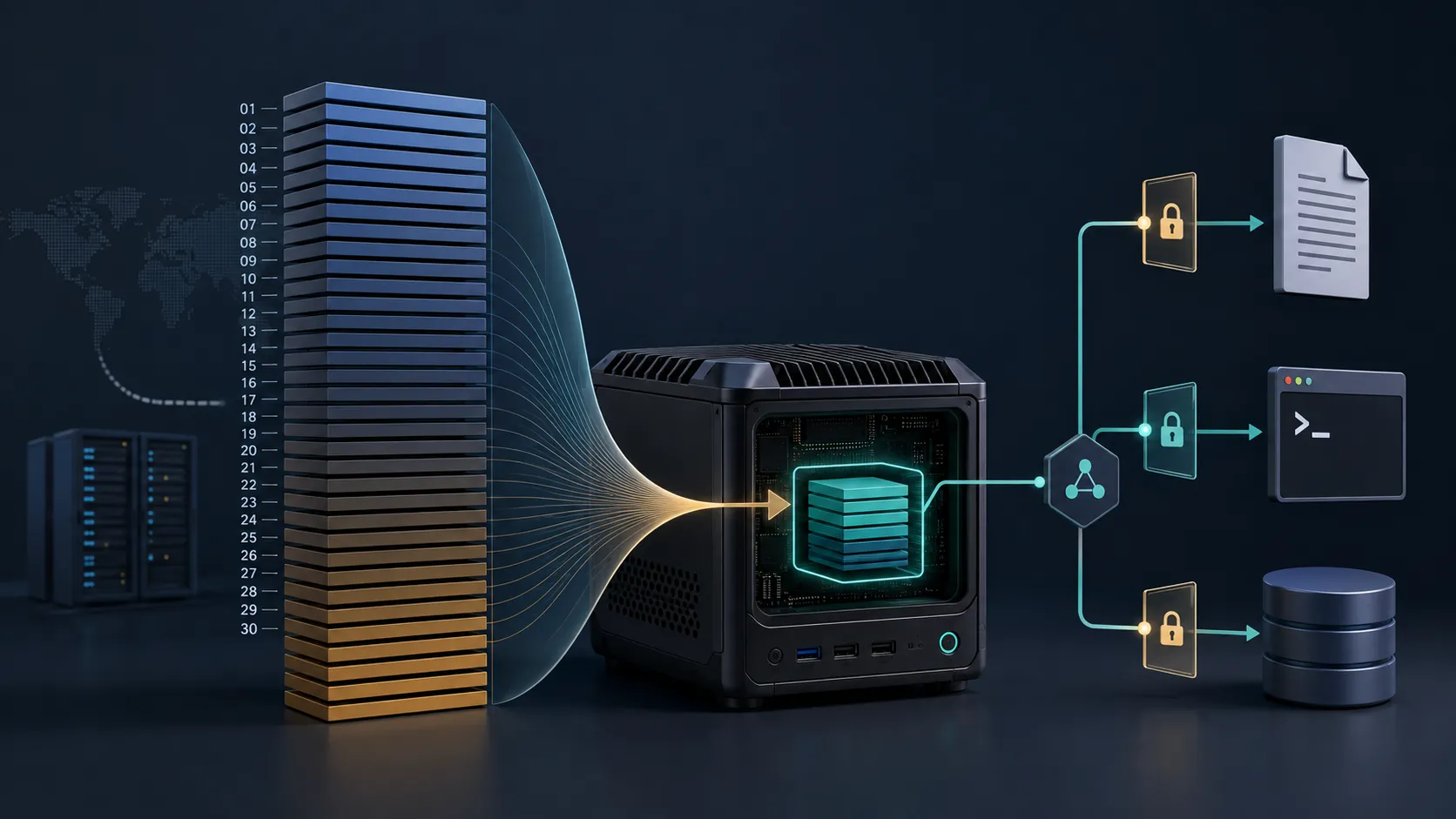
South Korea has selected three consortia led by SK Telecom, KT and Kakao for its “AI for Everyone” project. They are expected to build free public chatbots and AI agents using a government-provided pool of 512 NVIDIA B200 GPUs.

Preparing localized stories and source details.
Search verified, published content only.

South Korea has selected three consortia led by SK Telecom, KT and Kakao for its “AI for Everyone” project. They are expected to build free public chatbots and AI agents using a government-provided pool of 512 NVIDIA B200 GPUs.

KEPCO is discussing a prepaid electricity arrangement with large power users including Samsung Electronics and SK Hynix. Future electricity payments would be brought forward to help finance grid construction for semiconductor plants, AI data centers, and other advanced industries, although the commercial terms remain undisclosed.

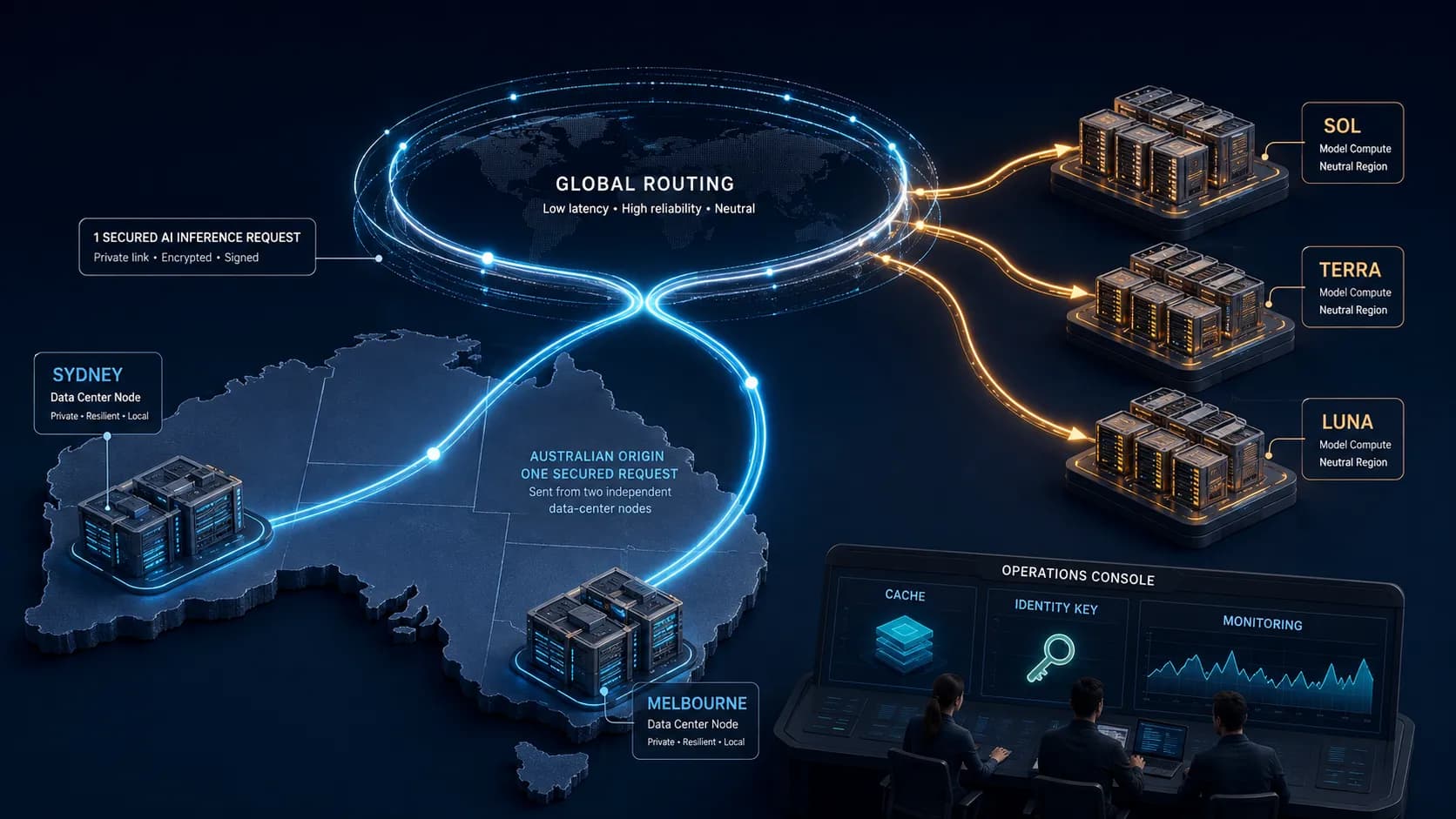
AWS says Australian teams can access OpenAI GPT-5.6 Sol, Terra, and Luna through Amazon Bedrock from the Sydney and Melbourne Regions using global cross-Region inference. Its guidance also covers prompt caching, OIDC-based Codex authentication, and CloudWatch monitoring, connecting model access to the controls needed for production.

Meta has introduced Muse Glimmer, a 30-billion-parameter open-weight model distilled from Muse Spark for on-device agentic workflows. The announcement establishes its direction, but not yet its hardware requirements, measured performance, licensing details, or production readiness.

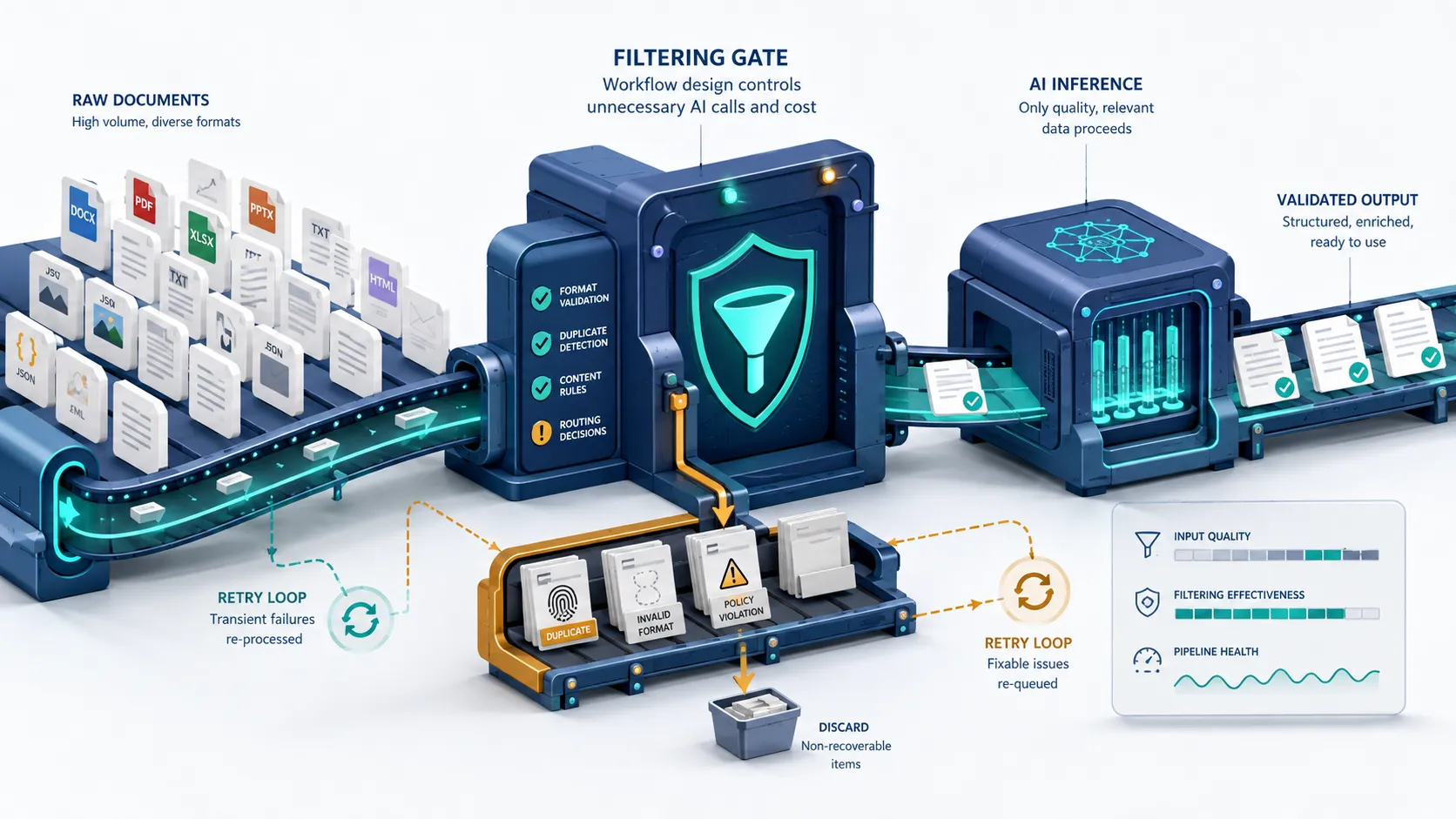
Google Cloud is highlighting the economics of integrating generative AI into Dataflow-based data workflows. Engineering teams should evaluate the entire processing path—from input selection and inference frequency to retries and output handling—not merely the model call.

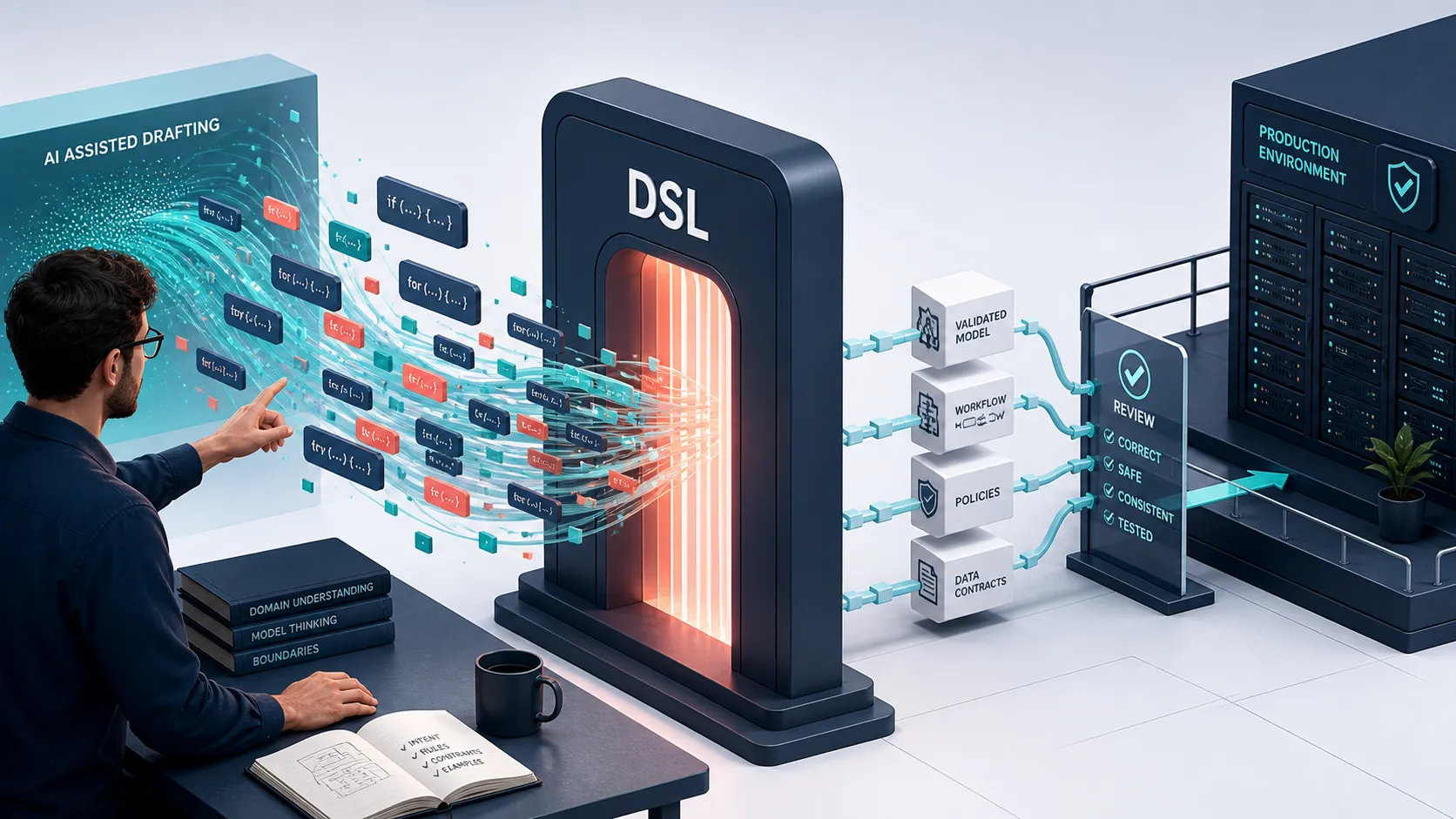
Banksalad presents Salad Game DSL as a way to preserve creative freedom without giving up engineering stability. The broader lesson is that production-ready vibe coding needs a constrained, reviewable interface between an AI-generated intention and the system that executes it.

Banksalad has published a post about generating test data with an LLM, but the supplied source record does not expose its implementation or results. This article separates the verified scope from a practical evaluation framework for engineering teams.

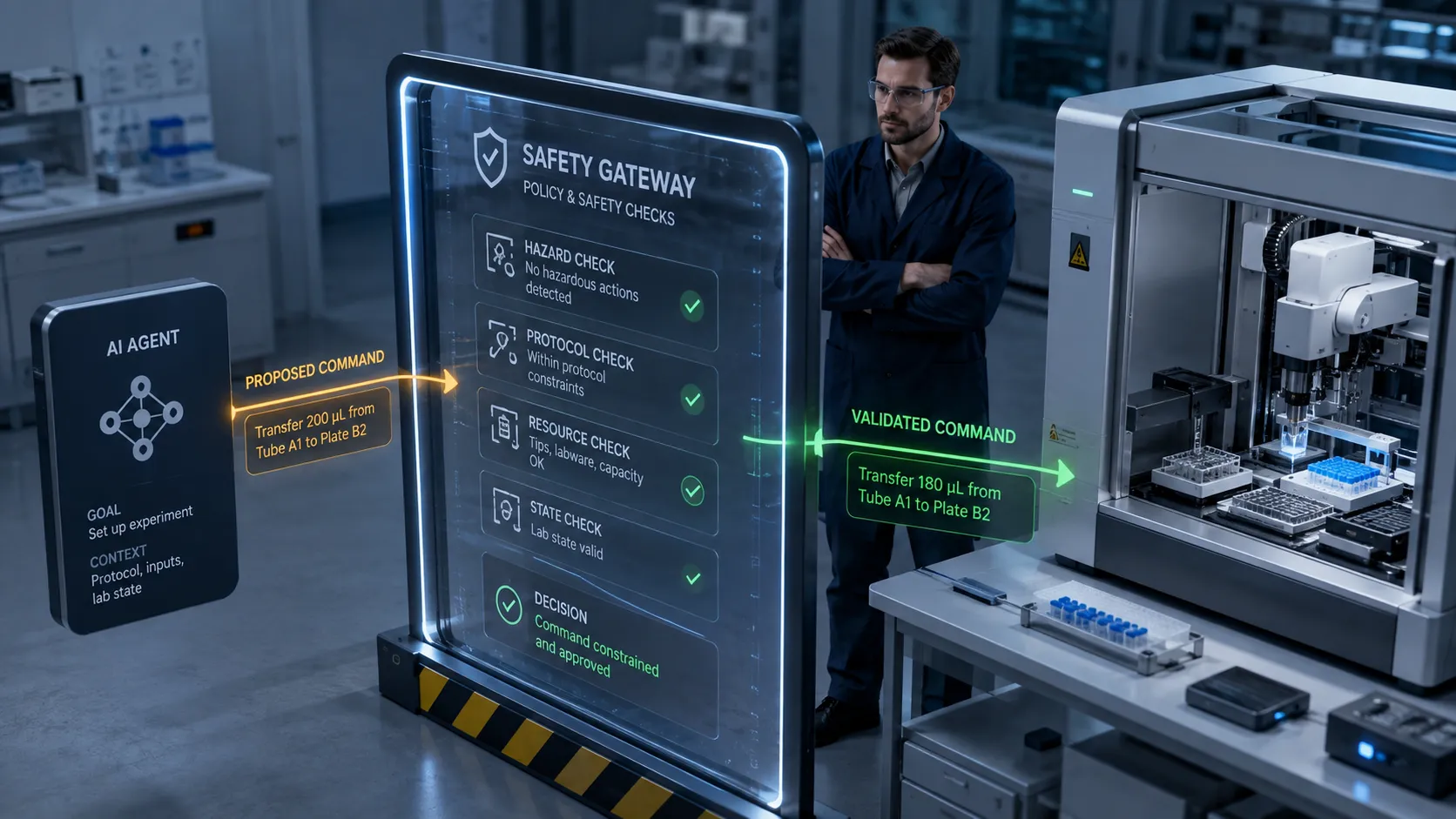
Anthropic has opened a research preview of the Model Hardware Standard to an initial group of scientific labs and advanced manufacturers. The proposal aims to give AI agents a shared specification for safely operating physical devices, although its technical design and governance remain to be established publicly.

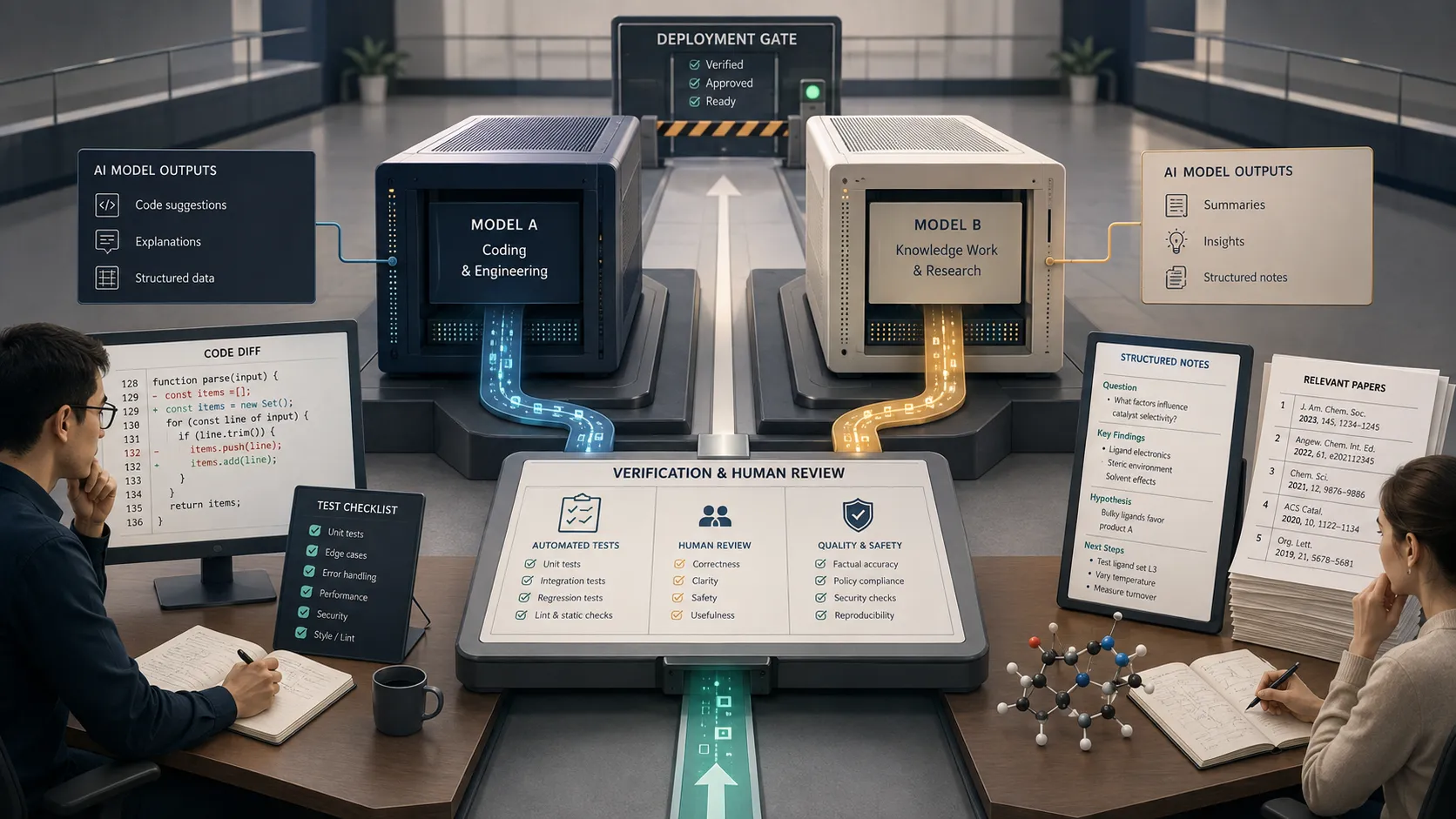
Anthropic describes Claude Fable 5.1 and Claude Mythos 5.1 as its most advanced models for coding and knowledge work, with research capabilities that could point toward scientific applications. The supplied announcement does not establish pricing, access, benchmarks, or a division of roles between the models, so production decisions should wait for evidence and workload-specific testing.

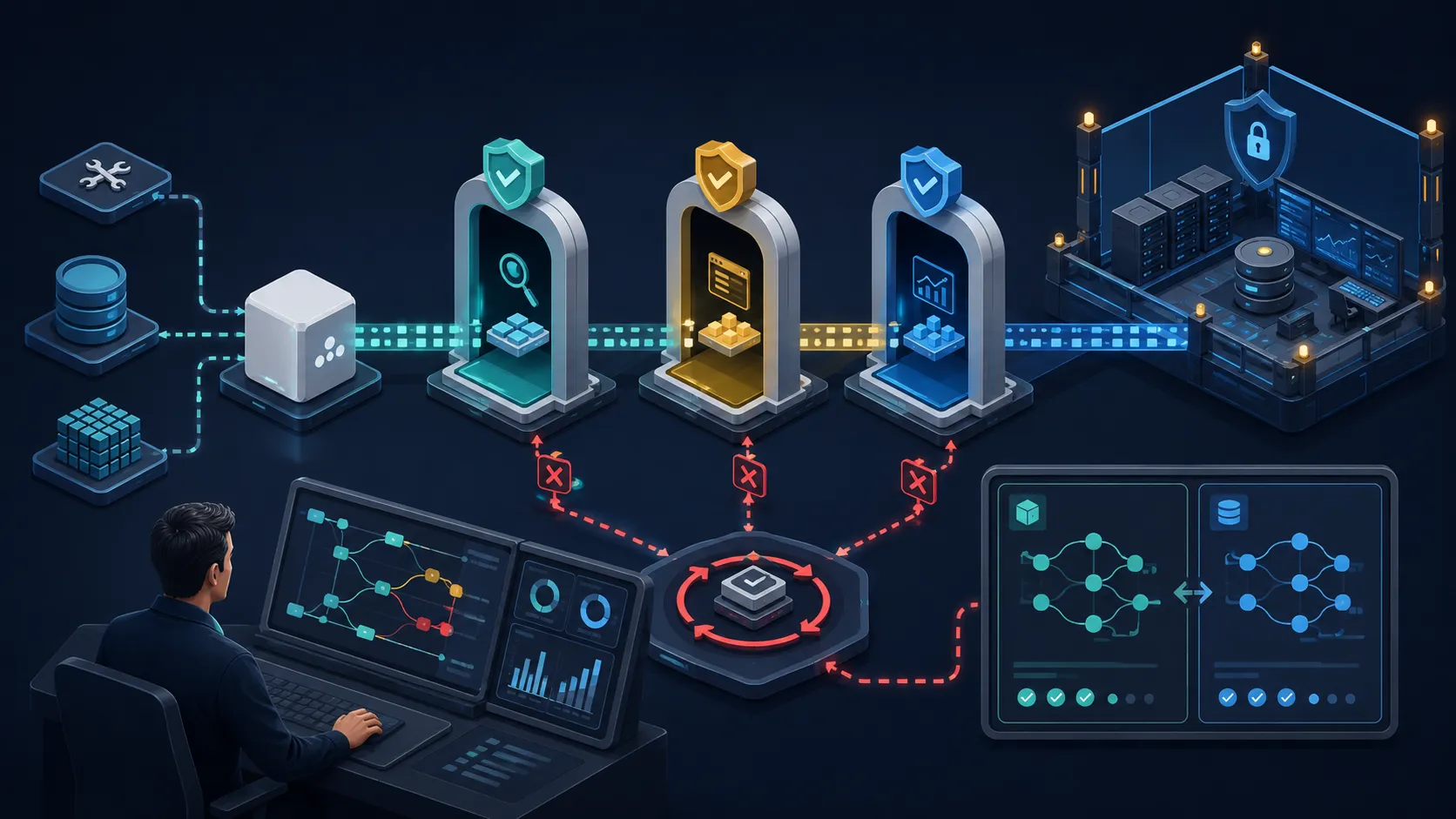
Recent LangSmith updates point to a broader shift in AI agent engineering: model selection is giving way to evaluation, issue detection, pre-release testing, and operational control. Task environments, agent harnesses, and correctable memory are also becoming part of the production stack.

AI infrastructure investment is spreading beyond model development to GPUs, inference capacity, networking, data-center development, power, and cooling. Activity around Groq, SoftBank, Cloverleaf, and Relativity Networks is a reminder that developers must treat compute availability as an architectural constraint, not merely a cloud bill.

Putting AI into messaging, desktop, and calendar workflows requires more than a model call. Teams need tool contracts, parameter validation, state management, and UI handoffs that let users inspect consequential work.